ISLAMABAD: As the impacts of climate change have become annual threats, particularly in northern mountainous regions, the Aga Khan Foundation (AKF) Pakistan and the Embassy of Denmark on Wednesday agreed to join hands to support climate-resilient agricultural livelihoods for vulnerable mountain communities in Gilgit-Baltistan and Chitral.
The initiative aims to strengthen food security and income stability by expanding access to diversified and sustainable agricultural opportunities.
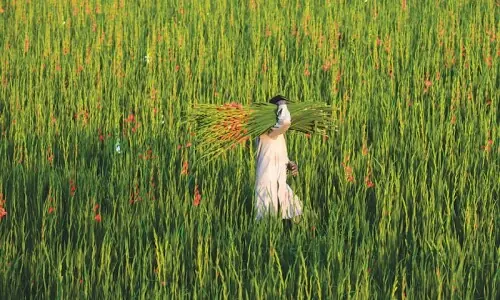
It will support the adoption of climate-smart and regenerative farming practices, improve water management systems, and promote locally viable green business models suited to mountain environments.
The project will directly benefit approximately 5,890 individuals across Gilgit-Baltistan and Chitral and up to 34,000 people indirectly, with an emphasis on the equitable inclusion of women, youth and marginalised groups. The agreement was signed by Maja Derrous Mortensen, Ambassador of Denmark, and Akhtar Iqbal, Chief Executive Officer of the Aga Khan Foundation Pakistan.
Ms Mortensen announced that this marked the launch of a third partnership with the Aga Khan Foundation Pakistan. “Through this collaboration, we aim to strengthen the resilience of vulnerable communities in Gilgit-Baltistan and Chitral by equipping them with the tools and knowledge required for climate-smart agriculture,” the Danish envoy added.
She said a key pillar of the project was the empowerment of women and youth, ensuring their equitable participation in climate-resilient development and sustainable livelihoods.
The initiative will also support community-owned water and natural resource management systems, with the aim of developing practical and replicable models for resilient mountain agriculture.
The project will be implemented by the Aga Khan Foundation and AKDN agencies, including the Aga Khan Rural Support Programme (AKRSP). Mr Iqbal noted that the partnership reflected a shared commitment to addressing the impacts of climate change in some of Pakistan’s most vulnerable regions.
He said the project responded to the country’s growing climate challenges by strengthening local agricultural systems and supporting communities to adapt to changing environmental conditions.
Mr Iqbal added that the project would impart training to farmers in climate-smart agricultural practices and work towards improved irrigation infrastructure and efficient water management systems. “Youth and women entrepreneurs will participate in ideation bootcamps, with many receiving micro-grants,” he said.
A key aspect of the initiative is the involvement of stakeholders, including local communities, in the implementation process, as they will also be engaged in policy dialogues. Those who attended the signing ceremony included senior representatives from the Danish Embassy and the Aga Khan Development Network.
Published in Dawn, December 19th, 2025