‘Military-led engineering’ in Balochistan led to government’s fall: Zehri
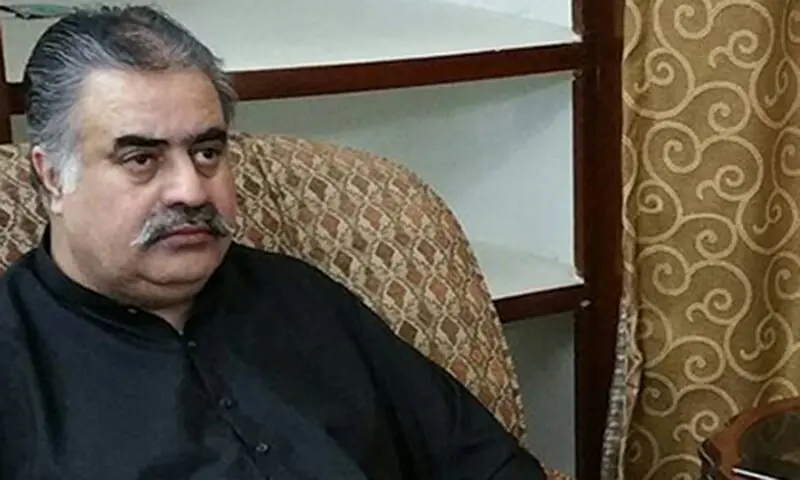
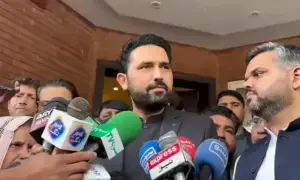
QUETTA: Former chief minister Nawab Sanaullah Khan Zehri alleged on Saturday that military-led political engineering in Balochistan had caused the fall of his elected provincial government and damaged democratic norms.
Mr Zehri, a senior PPP leader, said in a statement that recent accountability measures against former spymaster Faiz Hameed had revived long-suppressed realities about interference in the province’s politics.
Reacting to the court martial verdict, he claimed that despite constitutional restrictions on military officers’ involvement in politics, former army chief Gen Qamar Javed Bajwa and Hameed repeatedly interfered in political affairs.
He questioned what he described as a “double standard”, noting that Hameed was sentenced to 14 years of rigorous imprisonment for political interference, while former prime minister and PPP founder Zulfikar Ali Bhutto was executed in a conspiracy case later described by a Supreme Court full bench as a “judicial murder”.
Mr Zehri alleged that both generals engineered political changes in Balochistan that directly led to the collapse of his government.
Former chief minister says Faiz case verdict revives long-suppressed realities
He said law and order had improved during his tenure, with major highways linking Quetta to Karachi, Islamabad, Sindh and Punjab remaining secure, but the situation deteriorated after his government’s removal.
He further claimed that the no-confidence motion against his government was not a political move but was orchestrated by Hameed, adding that members of his own party were pressured to defect despite the party holding a majority in the assembly.
He also alleged that the overnight formation of a new political party was part of the same engineering process.
Welcoming the accountability process, Mr Zehri said action under Article 6 should apply to all those involved to ensure future military non-interference in politics.
He expressed hope that the on-going process would help safe-guard democracy and prevent similar interventions.
Published in Dawn, December 14th, 2025