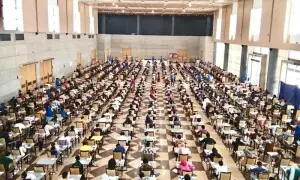
ON Human Rights Day, the pitiful state of basic liberties in Pakistan — which is combating militancy, climate shocks and a damaged economy — conveys that the country has little to celebrate. Additionally, an outdated criminal justice system and institutional overreach contribute to civil rights violations. What lies ahead for Pakistan’s children is the more pressing aspect. Not only are millions without essential services — food, education and health — they are also forced into labour and illicit trade. Even their existence is ignored by the state: The Human Rights Review noted that only 42pc of children under five were registered at birth. Pakistan, with some 26m children out of school, has allowed the education emergency to persist. Education statistics show that 40pc of children have only a slim chance of acquiring a primary education. This is worsened by the displacement and destruction wrought by both extreme weather patterns and turmoil in KP and Balochistan. According to a World Bank report, poverty caused by climate change will hover over 49m people in South Asia by 2030. Every statistic signifies a future adult lost to exploitation and indigence.
For a society that has rearranged itself around uncertainty and scarcity, this year’s theme, ‘our everyday essentials’, which upholds food, water, “peace and justice as core rights, not abstract ideas”, is a distant dream. Climate and economic calamities, conflict and an increasingly polluted environment have brought Pakistan to the brink of a hunger crisis. As per new estimates, 11m people are likely to face food insecurity, with elevated levels of severe malnutrition in Sindh and KP. This is a fearsome state of affairs that has led to a sense of deprivation among citizens. Human rights are crucial entitlements upheld with enforceable laws. Instead of restricting its focus to economic misfortunes, the state must intervene with urgent pro-people policies that prioritise nutrition and shelter for women and children, alongside climate-resilient agriculture and access to clean water. Moreover, educational and healthcare reforms cannot be postponed. As transforming these structures is an extended process, mobile units must ensure steady learning and well-being for affected children. The state’s inability to realise that a human rights system is only possible when politicians are answerable for rights excesses, has left our young wedged between deprivation and illiteracy.
Published in Dawn, December 10th, 2025