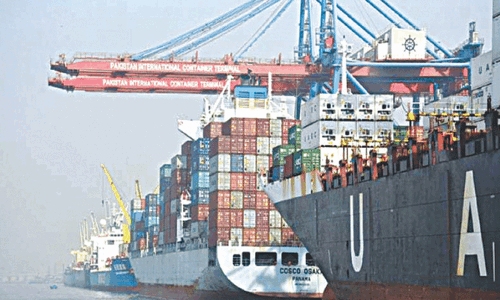
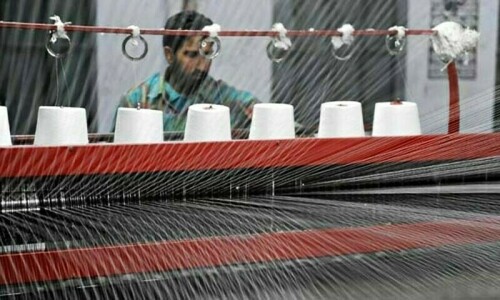
LAHORE: The domestic spinning and cotton textile sector is facing what industry leaders describe as the worst economic crisis in the country’s history, triggered by unprecedented taxes, the region’s highest power tariffs, and a surge in under-invoiced cotton yarn and fabric imports from China and other countries.
According to Cotton Ginners Forum Chairman Ihsanul Haq, over 100 spinning mills and over 400 ginning factories have already become non-operational. The shutdowns have led to a drastic fall in the purchase of raw cotton, shrinking national cotton production to alarming levels and threatening further erosion of foreign exchange reserves due to rising imports of edible oil and textile products.
He warned in a statement that the unchecked influx of imported yarn, much of it under-invoiced, has devastated the domestic spinning industry. “Instead of giving relief to revive cotton production and boost exports, the sector is being crushed under heavy taxes and prohibitive power tariffs,” he said. “This unprecedented crisis has left hundreds of thousands of families jobless.”
He revealed that the All-Pakistan Textile Mills Association (Aptma) had formally alerted the Federal Board of Revenue (FBR) about the monthly arrival of millions of kilogrammes of under-invoiced yarn. However, no action was taken, allowing imports to grow each month and accelerating the collapse of local spinning mills.
Punitive taxes, costly power, and under-invoiced Chinese yarn shut down hundreds of mills
Mr Haq also claimed that some importers are selling yarn in Faisalabad’s yarn market without any invoices, causing losses of “tens of millions of rupees” to the national exchequer while further damaging the domestic cotton value chain. He added that a major Chinese company has already opened an office in Faisalabad, with more firms reportedly planning to do so to expand yarn sales to Pakistani mills.
Pakistan’s cotton output, previously around 15 million bales, has plunged to just 5.5m bales, even as approximately 800,000 unsold bales remain with ginners and traders due to weak demand.
Mr Haq noted that cotton prices have crashed to Rs8,000 per 40 kg, pushing farmers into severe financial distress. With the shift from cotton to sugarcane cultivation, he warned that Pakistan may be forced to spend billions of dollars on edible oil imports next year.
The ginning sector is also buckling under a massive tax burden — with a combined 86pc sales tax on cotton, cottonseed, oil, and oilcake. Meanwhile, textile units face additional financial pressure as they are being asked to clear 10-year-old gas dues.
To highlight the seriousness of the crisis, he noted that in Rahim Yar Khan, formerly the country’s leading cotton-producing district, there were nearly 125 ginning factories and 150 oil mills operating each year. This year, however, only 45 ginning units and 25 oil mills are still in operation. The district has also seen the closure of more than 100 spinning mills and hundreds of power looms.
Mr Haq urged the federal government to immediately impose an import duty of at least 20 per cent on yarn and fabric, reduce power tariffs and taxes across the cotton value chain, and provide relief to spinning, ginning, and textile units to restore competitiveness.
Published in Dawn, December 7th, 2025