Sindh cabinet orders probe into solar energy project to protect public money

• Improper contract modifications, payments made for missing work and critical issues with imports caused large financial losses, ministers told
• Lower water rate for DHA approved
• Property owners to be issued digital card instead of traditional file
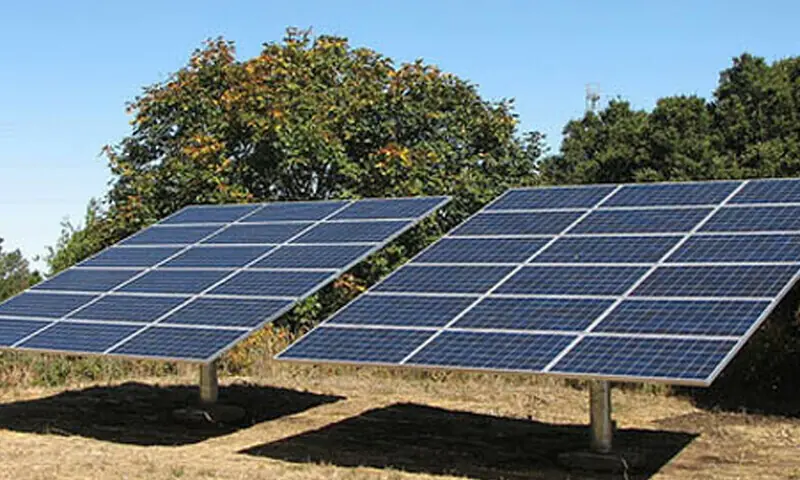
KARACHI: The provincial cabinet on Monday ordered thorough investigations and an audit into the Rs28 billion World Bank-funded Sindh Solar Energy Project (SSEP), as well as the blacklisting of companies involved, to protect public money and enforce accountability.
The Sindh government had planned to provide each of the 250,000 families with a solar panel, battery, one DC fan, three LED bulbs and a mobile phone charging facility with an estimated cost of Rs55,000. It signed a contract with a foreign company at $151 per solar kit, despite import records showing their actual value was under $50 per unit.
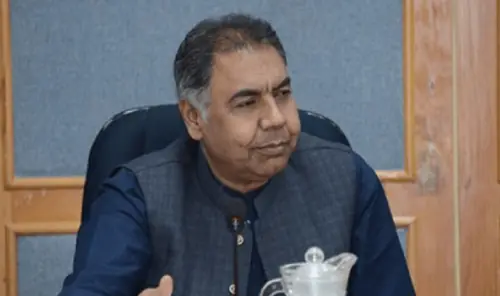
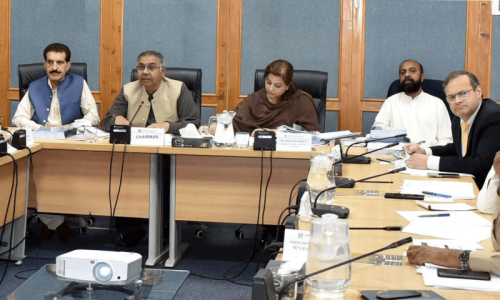
On Monday, Chief Minister Syed Murad Ali Shah while presiding over the meeting of the provincial cabinet directed comprehensive audits, recovery actions and accountability measures against involved firms and officials.
According to a statement issued by the CM House after the cabinet meeting, the SSEP has encountered major problems despite nearly full use of its allocated budget.
The cabinet was informed that many core goals, such as building solar parks, installing rooftop systems and distributing home solar kits, had not been met.
It was informed that there were improper contract modifications, payments made for incomplete or missing work and critical issues with imports — including fake documents presented by the main contractor, causing large financial losses.
Additionally, some NGOs were hired for distribution work without open competition, and significant funds were spent on unclear or undocumented equipment, the statement said.
The chief minister ordered thorough audits, investigations, and blacklisting of the involved companies to protect public money and enforce accountability, it added.
Low water rate for DHA pipeline project
The cabinet approved a proposal to provide the Defence Housing Authority water at the rate of 60 paise per gallon.
The decision was taken on the proposal from the local government department regarding the revision of the water sale rate applicable to the project titled ‘Laying of Pipeline from Dumlottee to DHA’.
Originally, the Karachi Water and Sewerage Corporation had set a water sale rate of 85 paise per gallon for supply to DHA, as approved by the cabinet and made a condition precedent for the Sindh government’s loan assistance of Rs10.5 bn towards the project’s completion.
Following negotiations with DHA, the KWSC proposed revising the water sale rate while retaining the payment schedule of 10 years.
The revised rate seeks to balance affordability for DHA, which is already getting water at 75 paise per gallon through bowsers.
Digitalisation of land record
The cabinet approved a project aimed at overhauling the province’s land management.
This project, led by the Board of Revenue, assigned Sukkur IBA University the task of developing and implementing a digital land record system. In its pilot phase, data entry work is nearly complete, and there is a clear plan to extend this digitisation effort to every district within three years.
At the core of these changes, the government will first verify and rewrite all current land records, moving them into a blockchain-based digital database.
A new Sindh Land Records Authority will supervise this transition and ensure land transfers become fully digital. The platform integrates with bodies like the National Database and Registration Authority and the Federal Board of Revenue and uses GIS mapping to visualise land boundaries.
The new system introduces an online portal where people will upload documents, verify their identities using biometrics, pay fees, and receive a digital land title — all securely recorded on the blockchain.
The CM directed the BoR to prepare a bill and bring it to the cabinet to review and, if passed, set up a transparent, fully digital land registration process for Sindh.
It has also been proposed that owners of immovable property will be issued a digital card instead of a traditional file. This card, containing a digital SIM, will provide access to all documentation related to the property.
Thar rail connectivity project
The cabinet directed the finance department to release Rs6.610bn to Islamkot-Chorr railway line project, the double-track link between Bin Qasim and Port Qasim.
It also directed the finance department to consider further funding based on the executing agency’s requirements.
The joint venture agreement signed in March 2025 between the Sindh Energy Department and the Railways Ministry.
The cabinet was informed that the project’s revised PC-1 had escalated from Rs53bn to over Rs90bn.
The meeting was told that the federal government had released Rs18.7bn as its share and urged Sindh to release its allocation to avoid delays.
Published in Dawn, December 2nd, 2025