Riyadh quietly mediates talks between Pakistan, Afghanistan: sources
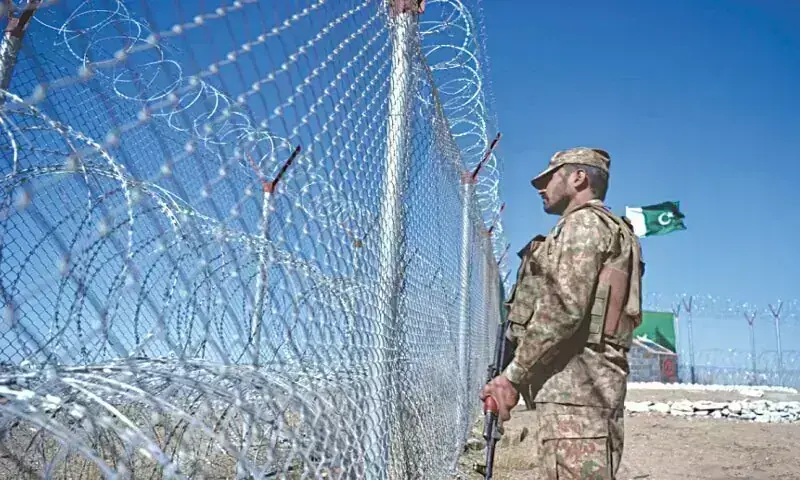


Saudi Arabia quietly facilitated a round of direct talks between Pakistan and Afghanistan aimed at easing tensions over cross-border terrorism, but the discussions wrapped up late on Sunday without any breakthrough, according to two sources familiar with the meeting.
The closed-door session in Riyadh ended with both sides holding firm to their longstanding positions and showing little willingness to compromise, the sources said, speaking on condition of anonymity because the talks were not publicly acknowledged.
The sources added that another Saudi-hosted round remains possible in the near future.
The Riyadh engagement, which took place as a separate track co-mediated by Turkiye and Qatar remains stalled. Turkish President Recep Tayyip Erdogan had earlier announced plans to dispatch a delegation to Pakistan, but the visit has yet to materialise.
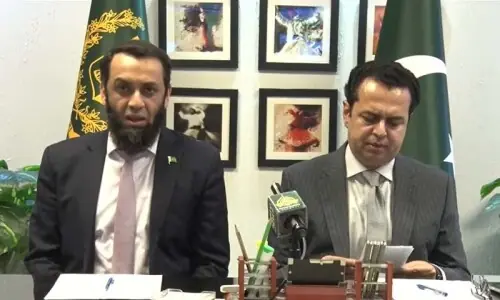
The Turkiye-Qatar initiative produced a fragile ceasefire after clashes in early October, though Foreign Office spokesperson Tahir Andrabi said at a weekly briefing on Friday that the truce had faltered because it hinged on a halt to terrorist activities.
The delegations in Riyadh were largely the same teams that participated in previous rounds in Istanbul, the sources noted, saying, for instance Pakistani delegation included a diplomat from the Foreign Office.
During the talks, Saudi officials suggested that Pakistan consider allowing the resumption of bilateral trade while discussions on cross-border terrorism continue, but Islamabad declined the proposal, the sources said.
Pak-Afghan relations
Pakistan’s bilateral relations with Afghanistan have come under strain in recent times as the banned terrorist Tehreek-i-Taliban Pakistan (TTP) group remains the main point of contention between the two countries.
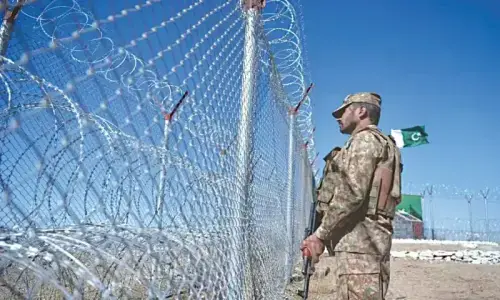
Pakistan has demanded that the rulers in Kabul take action to stop cross-border terrorism, but the Afghan Taliban deny Islamabad’s allegations of terrorists being allowed to use Afghan soil to carry out attacks in Pakistan.
During a process of dialogue, which followed border clashes between the two countries in October, the two sides had met in an effort to work on mechanisms for lasting peace and stability between the two countries.
On October 25, the second round of talks between the two sides began in Istanbul. Information Minister Attaullah Tarar then announced that the talks “failed to bring about any workable solution”.
However, mediators Turkiye and Qatar intervened and managed to salvage the dialogue process with an October 31 joint statement released by Ankara stating that “further modalities of the implementation will be discussed and decided” during a principal-level meeting in Istanbul in November.
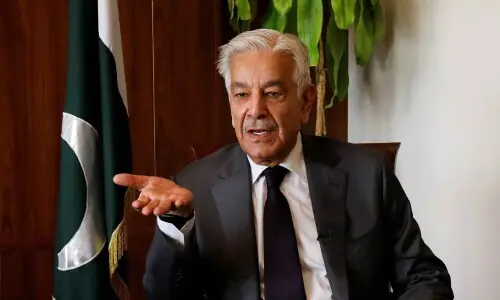
On November 7, however, after the third round of talks, Defence Minister Khawaja Asif said that talks addressing cross-border terrorism were “over” and “entered an indefinite phase” as negotiators failed to bridge big differences between the two sides.
Following the failure of the talks, the Afghan Taliban suspended trade ties with Islamabad. Pakistan had already closed its border for trade soon after the October clashes.
Subsequently, Turkiye announced that its top officials would visit Pakistan to discuss tensions between Islamabad and Kabul. Pakistan welcomed Turkiye’s and Doha’s “sincere efforts” on Nov 14, but the delegation’s arrival is still awaited, amid reports of complexities in the process.
The Foreign Office also said that the resumption of trade with Afghanistan depended on the Taliban regime ending cross-border terrorism, and also linked the fate of key regional energy projects to Kabul halting its support for terrorist groups.