National Grid hit with Rs10m fine
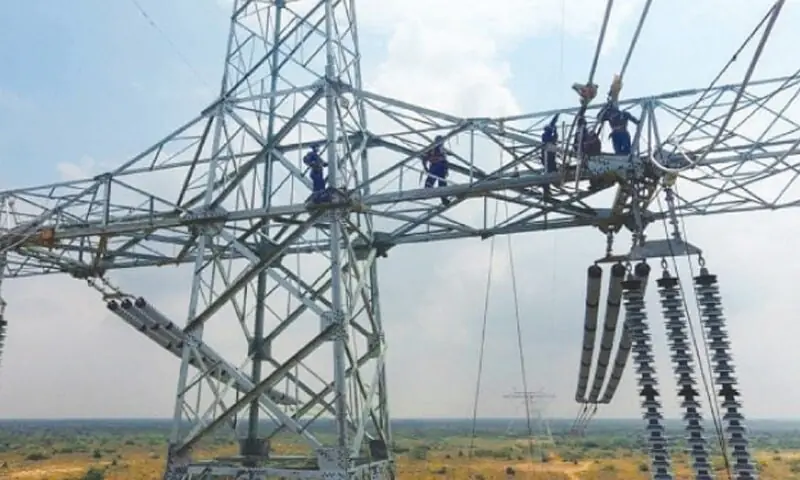

ISLAMABAD: With a three-one majority, the National Electric Power Regulatory Authority (Nepra) on Thursday imposed a Rs10 million fine on National Grid Company (NGC) for its failure to improve its network in Sindh’s Jhimpir area as required under sufficient investments allowed on account of health, safety and environment (HSE).
The legal proceedings involving investigation, show-cause notice and hearings spanned over 41 months. In an order released on Thursday, Nepra said its team checked in May 2022 the investment status for the improvement of the network in the Jhimpir areas of Hyderabad and found that the 220/132kV grid stations were still under construction but energised without any official handover or takeover by the project director.
It was also discovered that there was no approved standard operating procedure (SOP) in place for handing/taking over of the newly constructed transmission lines, grid stations and any other equipment and assets, including civil works. “Even after a lapse of three months of energisation of the grid stations, there were only two shift engineers working continuously for two consecutive days without sufficient break/sleep and without any supporting staff required for operating/maintaining a 220/132kV grid station” in violation of relevant yardsticks. The same lapse was found prevalent throughout the South region of NGC.
Not only this, the Nepra found “an acute shortage of manpower in the South region of NGC, and despite passage of nearly three years, NGC had failed to fill the approved sanctioned strength for maintaining its rapidly expanding 500/220RV, 220/132kV grid stations and transmission lines network in the South region”.
This was adversely affecting newly constructed assets (grid stations and transmission lines) in the South region as they were left unattended due to a shortage of manpower, vehicles and associated material, including personnel safety gear.
The grid station was being operated without any provision of basic amenities, i.e., water, gas and electricity feeder, and there were insufficient means of transport and housing facilities for officers and officials deputed in such a remote area, not even accessible by any paved roads.
Published in Dawn, November 28th, 2025