Barrick’s pledge on Reko Diq project
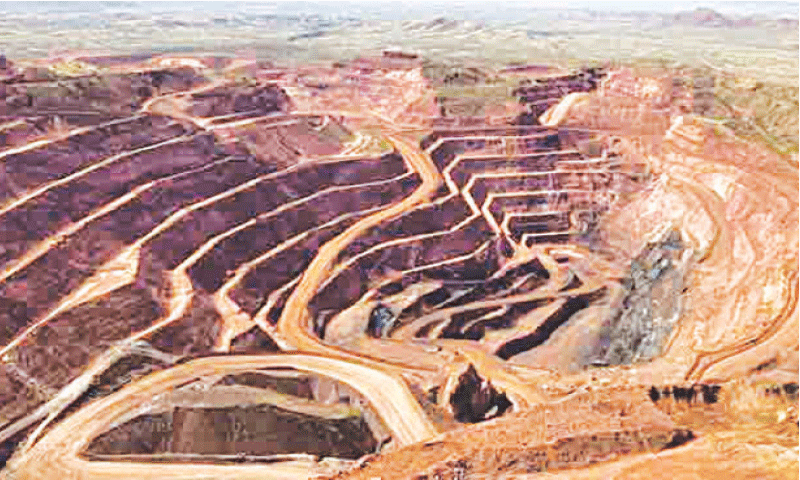
KARACHI: Barrick Mining Corp remains committed to its Reko Diq copper mine in Pakistan, one of the world’s largest undeveloped deposits of the metal, its interim CEO said on Tuesday after reports of a possible withdrawal.
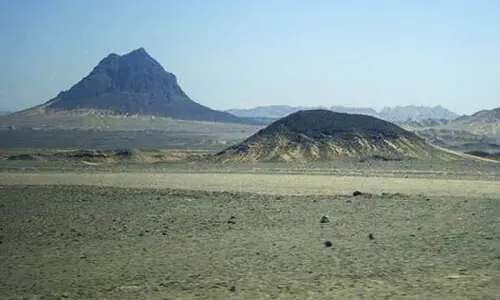
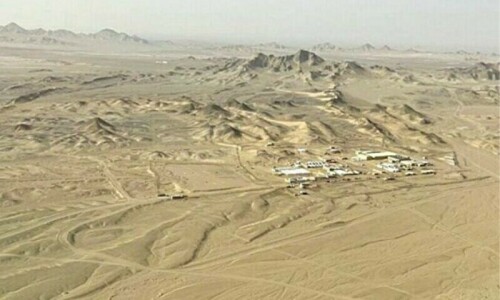
The $7 billion project in the remote, insurgency-hit western province of Balochistan is held in an equal partnership between the company and the Pakistani authorities and is expected to start production by the end of 2028. Barrick’s board had raised the possibility of splitting the company’s assets, which could include an outright sale of the Reko Diq mine and the company’s African assets, Reuters reported this month, citing sources familiar with the company’s thinking.
“Barrick remains committed to the Reko Diq project and to Pakistan,” Mark Hill told Reuters.
Security, scale, stake
Balochistan suffers frequent terrorist attacks, making security a major concern for the mine. The project also requires a railway line upgrade to transport copper concentrate to Karachi for processing abroad.
Lenders including the International Finance Corporation and the Asian Development Bank among others are assembling a financing package exceeding $2.6bn. The Reko Diq project added 13 million ounces to Barrick’s gold reserves in 2024 and is expected to produce 200,000 tonnes of copper a year in its first phase, doubling after expansion, with projected free cash flow of more than $70bn over 37 years.
Pakistan’s mineral play
The remarks from Barrick underscore Reko Diq’s importance to both Pakistan and the company, with Islamabad counting on the mine to anchor its minerals strategy while the Canadian miner advances one of its largest long-term projects.
Sources familiar with the company’s thinking told Reuters this month that board members and some shareholders worry that exposure to riskier assets in Pakistan and Africa may be weighing on Barrick’s valuation compared with its safer North American operations, particularly in the context of any potential takeover interest.
Barrick returned to Pakistan in 2022 after a years-long legal dispute was settled, and the mine has since become a flagship investment for the country as it seeks to draw more capital into its minerals sector.
Published in Dawn, November 26th, 2025