Pakistani diplomat, Afghan governor meet to ease bilateral tensions
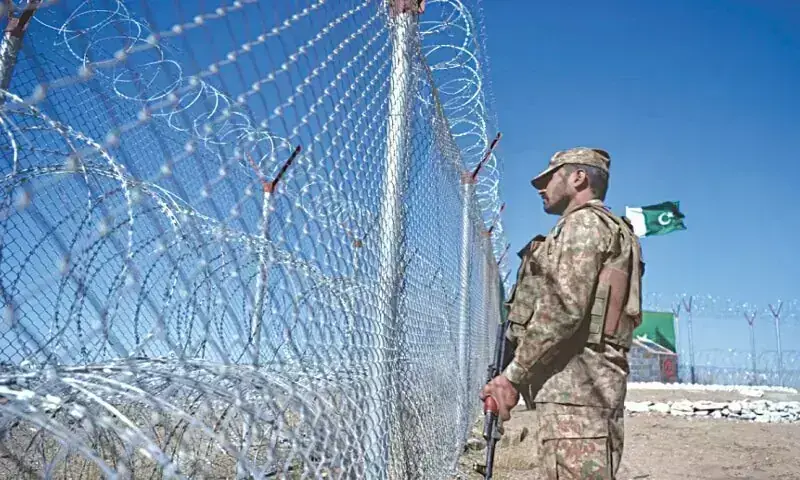


A Pakistani diplomat in Afghanistan met a key Afghan governor amid tensions over rising terror incidents in Pakistan, saying efforts were underway to thaw bilateral ties, according to Afghan state media and Pakistani sources who spoke to Dawn.
The meeting was held hours after three Federal Constabulary men were martyred in a suicide attack on the force’s headquarters in Peshawar’s Saddar area this morning. Security forces quickly neutralised the attackers.
This was the first high-level contact in months between the Pakistani Consul General in Jalalabad, Shafqatullah Khan and Nangarhar Governor Mullah Muhammad Naeem Akhund.
Akhund is an important Taliban leader and is considered a confidant of Taliban Supreme Leader Hibatullah Akhundzada.
Governor Akhund has previously served as deputy minister of Borders and Tribal Affairs and deputy minister of Civil Aviation during the Taliban’s first government from 1996-2001. He had played a key role in the Taliban’s military commission during the 20-year war against the US and its NATO allies and also led the Taliban’s military activities in southern Helmand province.
He was a close confidante of the late Taliban’s chief, Mullah Akhtar Mansoor, and is considered a close associate of Defense Minister Mullah Yaqoob Mujahid.
“The Islamic Emirate has a constructive stance towards good relations, cooperation, and safeguarding common interests with the region, neighbouring countries, and other countries of the world, and relevant efforts in this regard are ongoing,” Afghanistan’s official Bakhtar news agency reported.
Pakistan has long said that terrorist groups have used Afghan soil to plot and stage attacks across the border; a charge the Afghan Taliban deny.
“The governor of Nangarhar noted the goodwill, brotherhood, and historical kinship of the Afghan people, and explained that the foundation of positive relations can remain strong in the presence of mutual respect, understanding and systematic coordination,” according to the report.
No statement was issued by the Pakistani consulate about the meeting. The consulate and the Foreign Office spokesman did not reply to queries when approached for comments.
However, sources with knowledge about the meeting said the Afghan governor told the diplomat that he has already “made efforts to reduce tension between the two countries”.
The diplomat explained Pakistan’s position on the current security issues to Akhund, who is also keen to bring the relationship back on track.
“The meeting discussed ethnicity, language, religion, culture, and other commonalities, and discussed the current situation in the region and the daily amenities of the people based on the tradition of good neighbourliness,” Bakhtar said.
The meeting was attended by Nangarhar Deputy Governor Maulvi Azizullah Mustafa, Foreign Affairs Director Maulvi Jan Mohammad Inqelab, provincial spokesman Qari Ehsanullah Usmani and a number of other officials.
Breakdown in Pak-Afghan ties
Pakistan’s bilateral relations with Afghanistan have come under strain in recent times as the Tehreek-i-Taliban Pakistan (TTP) remains the main point of contention between the two countries.
Pakistan has demanded that the rulers in Kabul take action to stop cross-border terrorism, but the Afghan Taliban deny Islamabad’s allegations of terrorists being allowed to use Afghan soil to carry out attacks in Pakistan.
During a process of dialogue, which followed border clashes between the two countries in October, the two sides had met in an effort to work on mechanisms for lasting peace and stability between the two countries.
On October 25, the second round of talks between the two sides began in the Turkish capital. Information Minister Attaullah Tarar then announced that the talks “failed to bring about any workable solution”.
However, mediators Turkiye and Qatar intervened and managed to salvage the dialogue process with an October 31 joint statement released by Turkiye stating that “further modalities of the implementation will be discussed and decided” during a principal-level meeting in Istanbul on November 6.
On November 7, however, after the third round of talks, Defence Minister Khawaja Asif said that talks addressing cross-border terrorism were “over” and “entered an indefinite phase” as negotiators failed to bridge big differences between the two sides.
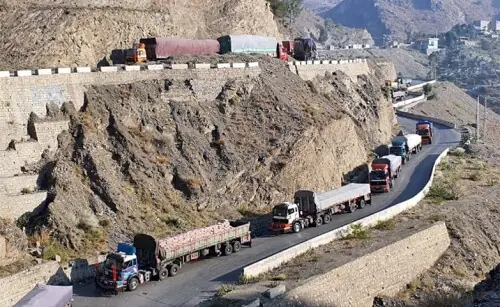
Following the failure of the talks, the Afghan Taliban suspended trade ties with Islamabad. Pakistan had already closed its border for trade soon after the October clashes.