Oversight mechanism on Pakistan’s wishlist at Istanbul talks today

• Second round of negotiations with Afghanistan to forge concrete checks against cross-border terror
• FO says truce largely holding since Doha
• Insists Islamabad entering this round with same ‘sincerity of purpose’
ISLAMABAD: The Foreign Office on Friday hoped that the fresh round of talks with Afghanistan beginning today in Istanbul would lead to the formation of a mechanism to monitor Afghan Taliban actions aimed at preventing cross-border terrorist attacks.
“Pakistan looks forward to the establishment of a concrete and verifiable monitoring mechanism in the next meeting to be hosted by Turkiye in Istanbul on Oct 25, 2025, to address the menace of terrorism emanating from Afghan soil towards Pakistan and prevent any further loss of life of Pakistanis,” the new Foreign Office spokesperson, Tahir Hussain Andrabi, said at his maiden weekly media briefing.
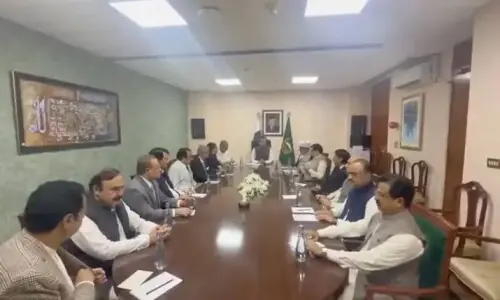
Saturday’s scheduled meeting in Istanbul follows the first round of Pakistan-Afghanistan talks mediated jointly by Qatar and Turkiye in Doha on Oct 18-19. The Doha round resulted in a permanent ceasefire and a commitment to reconvene in Istanbul to work on mechanisms for consolidating lasting peace and stability between the two countries.
“We welcome the agreement between Pakistan and Afghanistan, finalised in Doha, Qatar, on Oct 19, 2025, as a first step in ensuring regional peace and stability,” Mr Andrabi said.
The truce agreed in Doha has largely held, with no major terrorist attacks reported since, according to the Foreign Office.
“We are taking part in the second round of talks in Istanbul with the same sincerity of purpose, with the same sincerity of intent with which we participated in Doha,” the spokesman said.
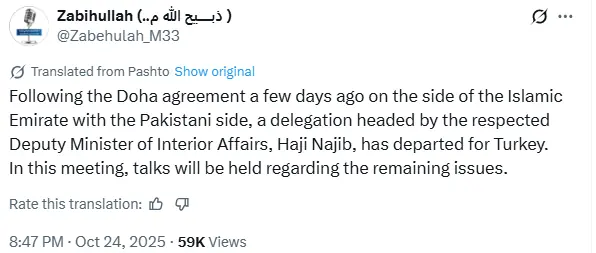
Kabul also confirmed the meeting in Istanbul. Afghan interim administration spokesman Zabihullah Mujahid said its delegation is led by Mawlawi Rahmatullah Najeeb, deputy minister at the Ministry of Interior, according to the Turkish news agency Anadolu.
“The remaining issues [with Pakistan] will be discussed in the meeting,” Mr Mujahid said in a post on X. The Afghan delegation had left Kabul for Istanbul, he added.
The Istanbul round offers an opportunity to move from temporary calm towards a structured, verifiable peace framework with mechanisms for monitoring, verification and sustained dialogue through technical committees.
Turkish officials have indicated that a technical committee in Istanbul will review details of the ceasefire, including terrorism, migration and border security.
In essence, Doha produced the political breakthrough, while Istanbul is expected to operationalise it by defining what constitutes cross-border terrorism, how violations will be verified and how disputes will be resolved.
Turkiye’s deep counterterrorism experience against the Kurdistan Workers’ Party (PKK) and its familiarity with insurgent challenges along porous borders give Ankara both diplomatic credibility and practical insight into Pakistan’s difficulties with Tehreek-i-Taliban Pakistan (TTP) sanctuaries inside Afghanistan.
Its role is further strengthened by the longstanding Pakistan-Turkiye counterterrorism cooperation, including consultations held earlier this year.
For Pakistan, Turkiye represents a trusted partner capable of designing a mechanism that both sides can rely on, shifting the peace process from ad hoc diplomacy to institutionalised peace-building.
In Istanbul, Pakistan is expected to seek concrete and verifiable commitments from the Afghan side to eliminate the TTP threat from its territory.
The agenda includes dismantling known TTP sanctuaries, arresting or expelling key figures and defining clear timelines and benchmarks for measurable action such as raids, arrests and destruction of safe houses.
To ensure implementation, Islamabad plans to propose mechanisms for intelligence-sharing, cross-border coordination and real-time monitoring of militant movements and financing.
Pakistan also supports establishing a third-party oversight structure, potentially co-chaired by Turkiye and Qatar, to verify progress and address non-compliance.
Additional priorities will include securing Afghan assurances against providing safe havens to hostile groups, strengthening border control, ensuring financial transparency on militant funding and holding regular review meetings to assess compliance.
“During the Doha talks, the basic focus was to stop the terrorist attacks from Afghan soil into Pakistan.
And in order to do that, we should have a verifiable, empirical mechanism to ascertain that the Afghan Taliban regime in Kabul is taking concrete actions to stop such attacks,” the Foreign Office spokesman said.
He said the continuation of the ceasefire demonstrated the progress achieved in Doha.
“In effect, the Doha talks and outcomes were fruitful. We would like the trend to continue in Istanbul and post-Istanbul,” Mr Andrabi said.
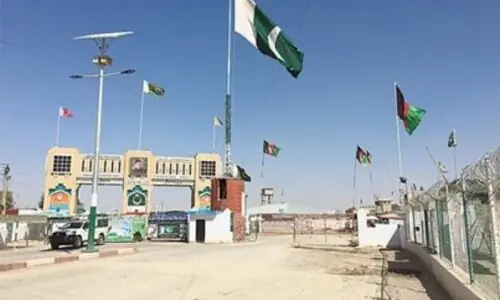
The spokesman said that trade between Pakistan and Afghanistan would remain suspended for now.
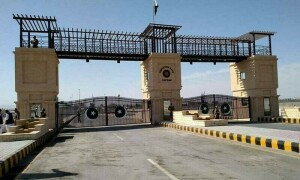
“Afghan transit trade is closed … It is not taking place because of the factors that you were aware of. There was considerable discussion on this question during last week’s briefing as well. Till the evaluation of the security situation, this transit trade will remain closed,” he added.
Published in Dawn, October 25th, 2025