Trump says Kazakhstan to join Abraham Accords

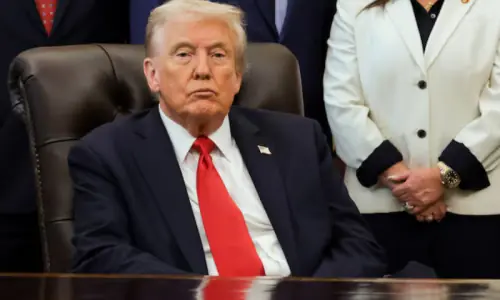
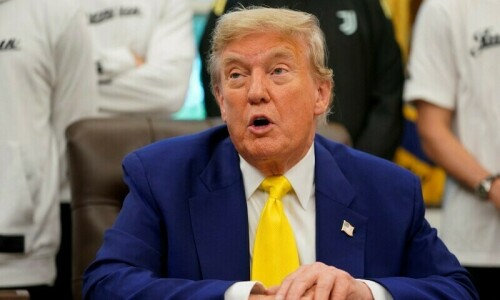
US President Donald Trump said on Thursday that Kazakhstan will join the Abraham Accords to have normalised relations between Israel and Muslim-majority nations.
The announcement came after Trump said he had held a call with Israel’s Prime Minister Benjamin Netanyahu and Kazakhstan’s President Kassym-Jomart Tokayev.
“We will soon announce a signing ceremony to make it official, and there are many more countries trying to join this club of STRENGTH,” Trump wrote on Truth Social.
The Kazakh government said in a statement that the matter was in the final stage of negotiations.
“Our anticipated accession to the Abraham Accords represents a natural and logical continuation of Kazakhstan’s foreign policy course grounded in dialogue, mutual respect, and regional stability,” it added.
Kazakhstan already has full diplomatic relations and economic ties with Israel, meaning the move would be largely symbolic, something Secretary of State Marco Rubio pushed back against on Thursday.
“It’s an enhanced relationship beyond just diplomatic relations,” he said. “It is … with all the other countries that are part of the accord. You’re now creating a partnership that brings special and unique economic development on all sorts of issues that they can work on together.”
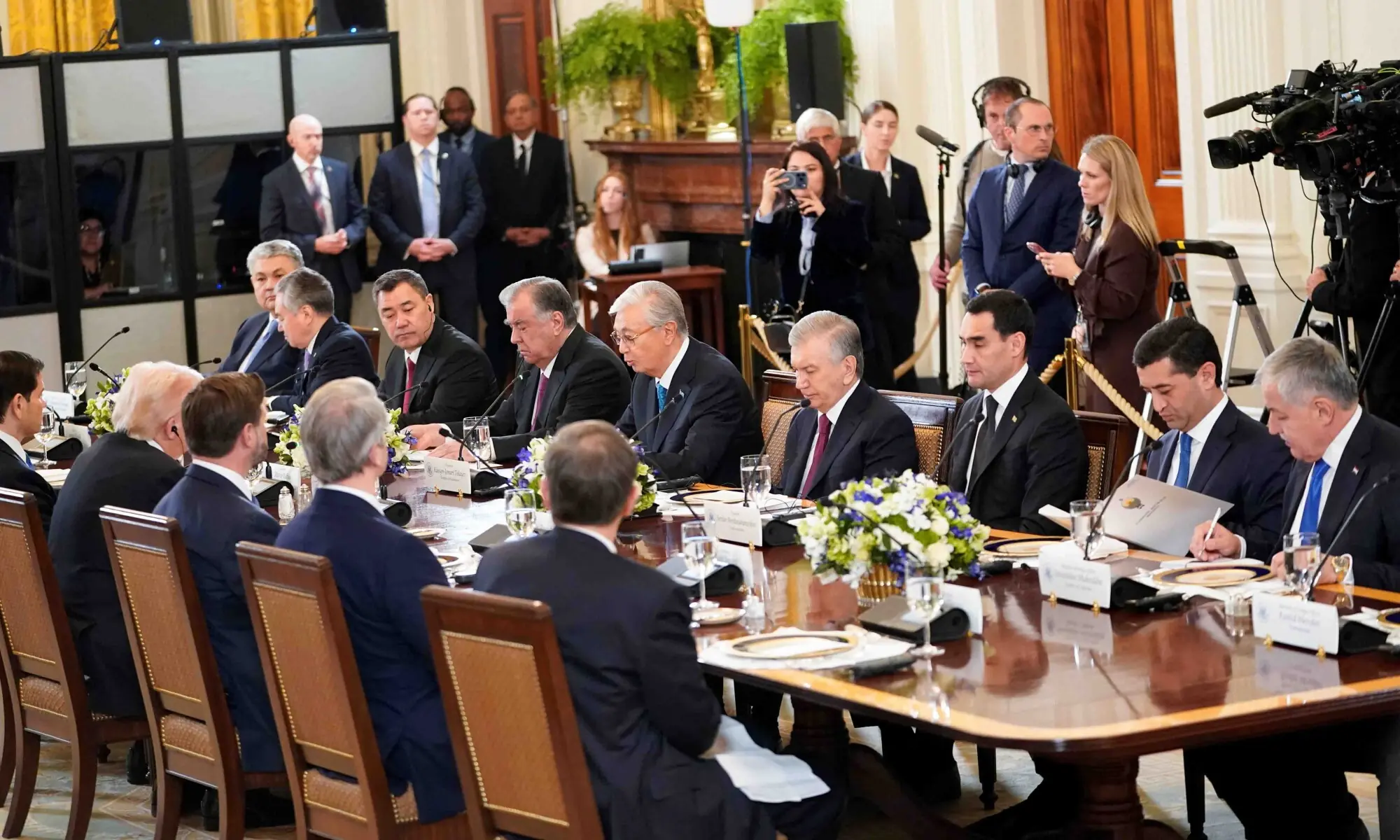
Trump met with Tokayev alongside four other Central Asian leaders from Kyrgyzstan, Tajikistan, Turkmenistan, and Uzbekistan at the White House on Thursday as the US seeks to gain influence in a region long dominated by Russia and increasingly courted by China.
“Some of the countries represented here are going to be joining the Abraham Accords … and those announcements will be made over the next little while,” Trump said.
Witkoff returning for announcement
US special envoy Steve Witkoff said earlier at a business forum in Florida that he would be returning to Washington for the announcement, without naming the country.
Axios first reported that the country would be Kazakhstan.
A second source familiar with the matter said the United States hopes that Kazakhstan’s entry will help reinvigorate the Abraham Accords, the expansion of which has been on hold during the Gaza conflict.
Trump has repeatedly said he wants to expand the accords that he brokered during his first term in the White House.
The United Arab Emirates and Bahrain established ties with Israel in 2020 under the Trump-brokered Abraham Accords. Morocco established ties with Israel later the same year.
Trump has been upbeat about the prospects that regional heavyweight Saudi Arabia will finally join the accords since a ceasefire went into effect in Gaza last month, but Riyadh has shown no willingness to move ahead without at least a pathway to Palestinian statehood.
Saudi Arabia’s Crown Prince Mohammed bin Salman is expected to visit the White House on November 18.
Other Central Asian countries such as Azerbaijan and Uzbekistan, both of which have close ties with Israel, have also been seen as potentially joining the Abraham Accords, which is considered a signature foreign policy achievement of Trump’s first term.