CM Murad stresses need for digitisation as Sindh launches system to monitor student attendance
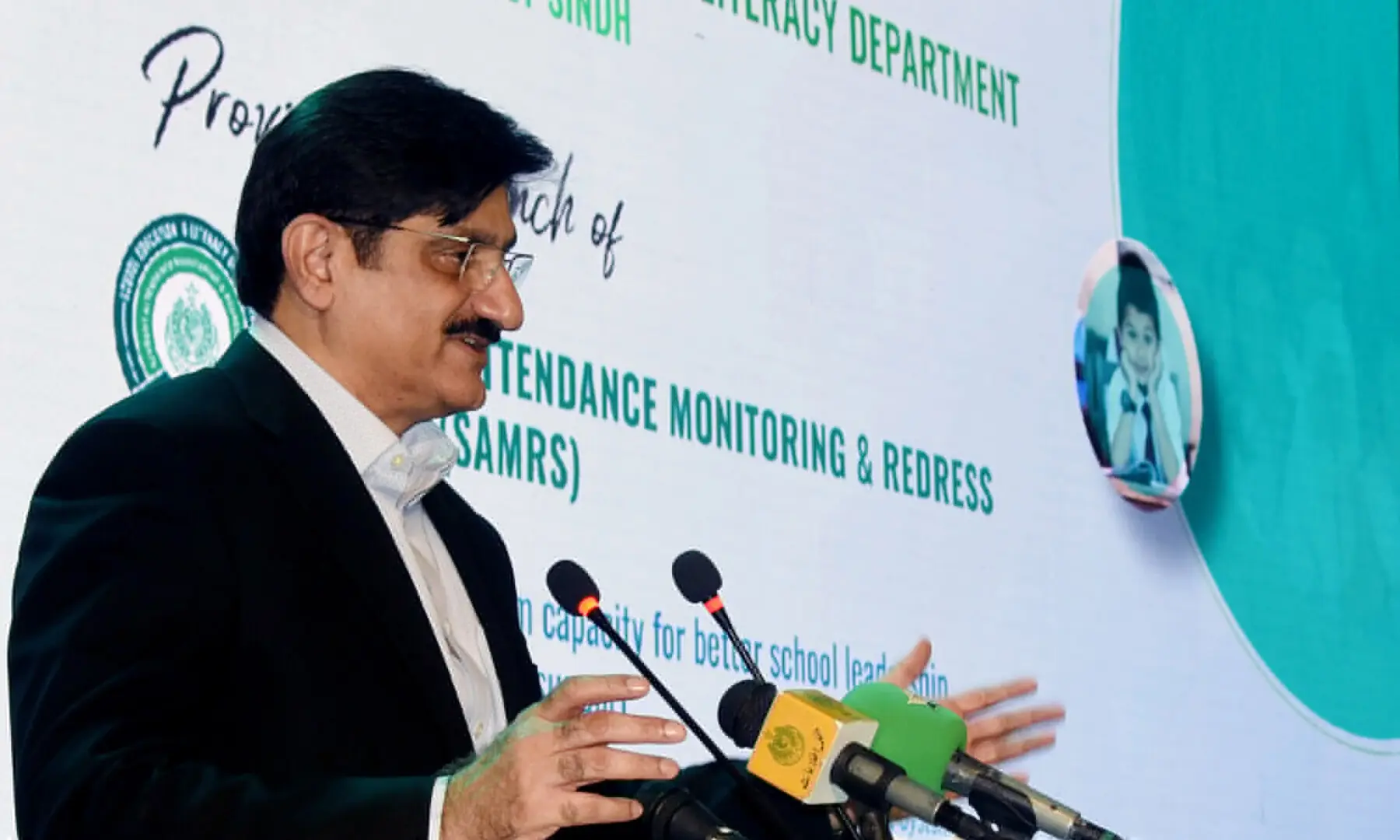
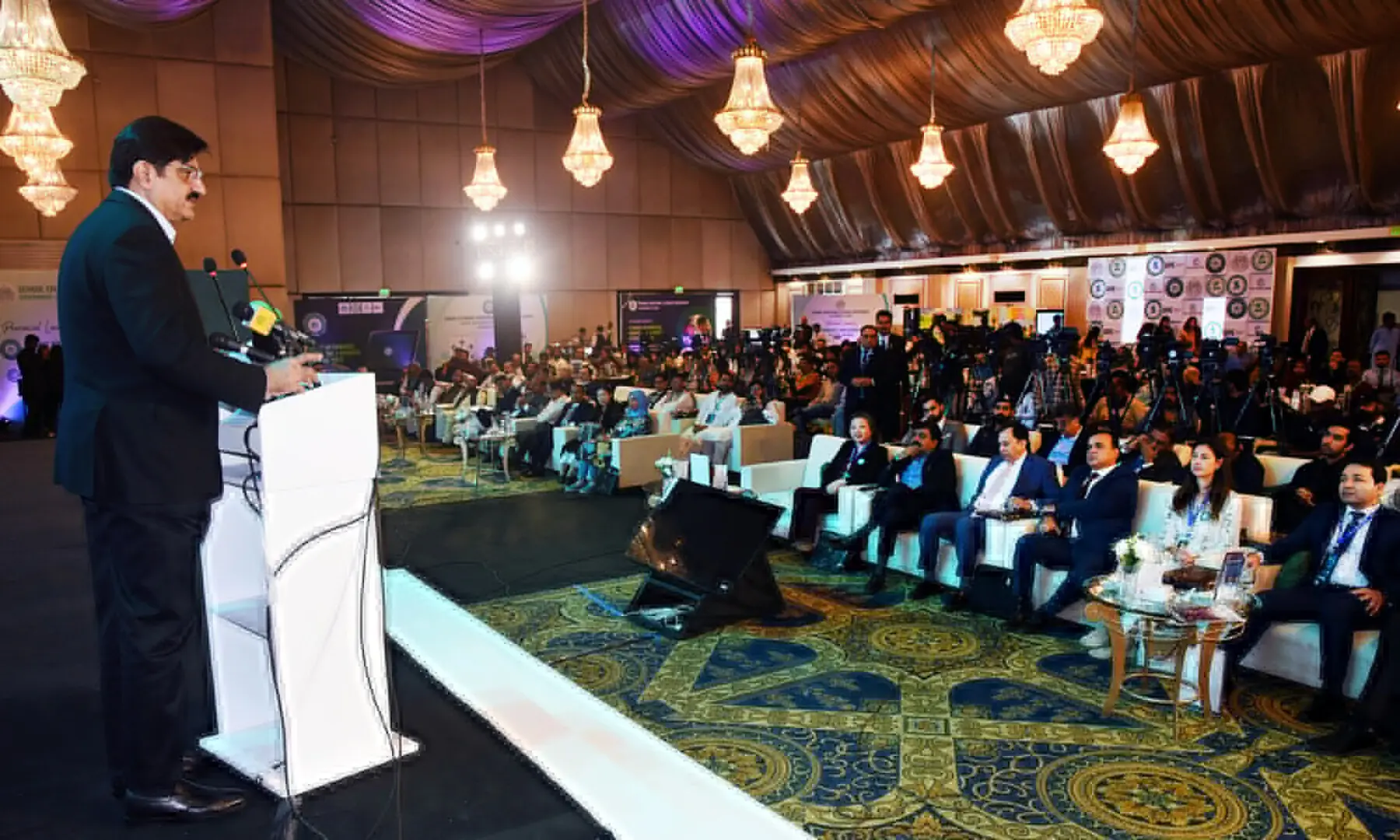

Sindh Chief Minister Murad Ali Shah on Thursday stressed the need to digitalise processes as he inaugurated the Student Attendance Monitoring and Redress System (SAMRS) to keep track of pupils’ attendance.
SAMRS, an initiative of the school education and literacy department (SELD), has been developed under the Sindh Early Learning Enhancement through Classroom Transformation (SELECT) project. It will be rolled out in 600 schools across 12 districts.
In a statement on X, the Sindh information department said the initiative represented a “significant step toward greater transparency and the promotion of data-driven education across the province”.
Addressing the launch ceremony in Karachi today, CM Murad stressed the need for Pakistan to have proper databases due to an increase in the population. “The numbers have become so large that you can’t just keep track.”
Underscoring the need to utilise digital platforms, the chief minister said the SAMRS was the “perfect way of doing it”.
“I have said that we will go to the union councils and make it the responsibility of elected representatives to identify children in their villages to assign them a digital ID,” CM Murad said.
Murad noted that the SAMRS has been rolled out in 600 schools as of now, while the province had a total of more than 40,000 schools.
Stressing that each and every child should be incorporated into the SAMRS, the chief minister proposed that the subsequent data should be compared with that of the latest census.
He said the system would be used to gauge the number of out-of-school children, acknowledging that the current reported figures were “scary to say the least”.
CM Murad noted that the SAMRS will also aid in figuring out the number of school dropouts. Last month, he had directed the school education department to make full use of the technology to monitor students’ attendance, reduce dropout rate and address the causes of absenteeism.
Sindh had a 54pc dropout rate for children at the post-primary level in 2024, according to government figures, while 47pc of children across the province — a staggering 7.81 million — were out of school as per the 2023 census.
The chief minister highlighted the importance of educating children to create a well-civilised and democratic nation.
“Our mines, our minerals, our arms and ammunition — they all go to zero if we don’t have an educated nation,” CM Murad said.
He said the system will first be implemented in schools, then colleges and eventually universities. He also called for “open access” to the system so that educationists and experts can provide their input.
CM Murad noted that the SELECT project was being carried out in collaboration with the World Bank, and the SAMRS was a part of it. He added that the Asian Development Bank and other international agencies were aiding in rebuilding schools.
“We’re going to spend more than Rs125 billion this year in rebuilding schools that were affected during the floods,” the chief minister stated.
Murad noted that there had been grievances that the education department was not implementing its development portfolio properly, but “we have seen an improvement compared to last year”. “Still not satisfied, still a long way to go, but yes, it has become better.”
Sindh Education Minister Syed Sardar Ali Shah and World Bank Country Director in Pakistan Bolormaa Amgaabazar were among the attendees at the event.
Shah, as per a statement from CM Murad’s spokesperson Abdulrasheed Channa, said teachers will be trained in the initial stages of SELECT to improve teaching quality and that a transparent system will be implemented under the supervision of a Reform Support Unit.
On the SAMRS, Shah said the reasons for students’ absences will be identified and “timely corrective action” will be taken.
He pointed out that the SAMRS would also enable online monitoring of teachers’ attendance and registration. He added that the system will have “full functionality” with geo-fencing and an offline mode.
Providing details of the SAMRS, the minister said out of the 600 schools where the system was initially being rolled out, 120 were primary, 480 were middle, and 79 were high schools.
“There are a total of 137,000 pupils registered, including 79,730 girls and 57,501 boys,” Shah said. He listed that illness was the top reason for absenteeism (44 per cent), followed by domestic circumstances (21pc) and family emergencies (16pc).
According to the education minister, there has been a 16pc improvement in school attendance from April to May this year, while the share of students with “high risk” of dropping out has declined from 32.5pc to 23pc.