Trump to host his first summit with Central Asian leaders

United States President Donald Trump will host all five Central Asian leaders in Washington on Thursday for the first time, a few months after they held separate summits with Russia’s Vladimir Putin and China’s Xi Jinping.
The West has upped its interest in the resource-rich region, where Moscow’s traditional influence has been questioned since the Kremlin’s Ukraine invasion and where China is also a major player.
Since the Ukraine war, the leaders of Kazakhstan, Kyrgyzstan, Tajikistan, Turkmenistan and Uzbekistan have stepped up contacts with other countries in the so-called “C5+1” format.
Washington and the European Union have intensified their diplomacy with the landlocked countries that gained independence from the Soviet Union in 1991, with a first US-Central Asia summit in 2023.
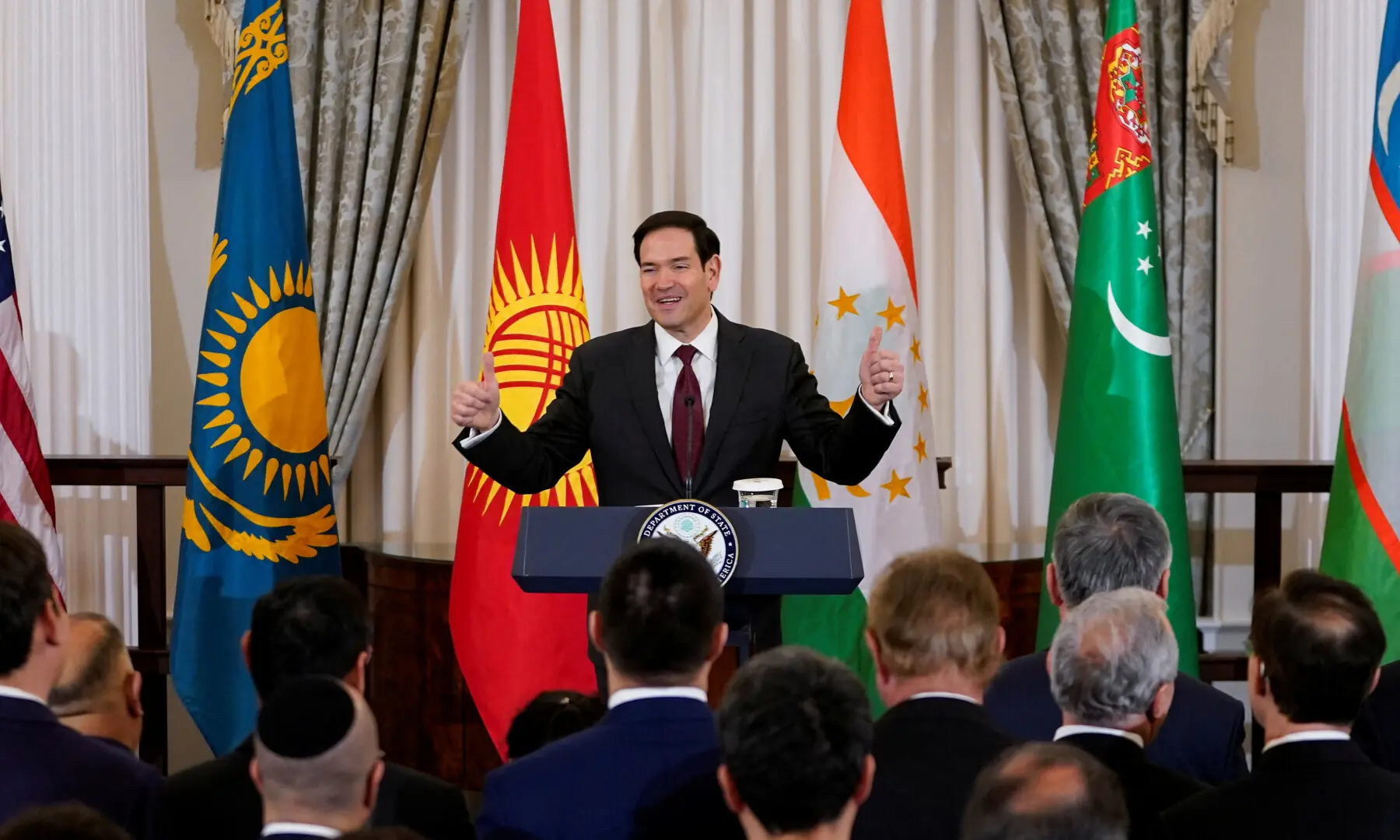
US Secretary of State Marco Rubio has also said he planned to visit the five Central Asian countries in the coming year, as he met their foreign ministers.
Rubio told a reception at the State Department that US interests and those of the Central Asian states were aligned when it comes to working together to develop the countries’ natural resources.
“You are looking to take the resources … that God has blessed your nations with, and turn them into responsible development that allow you to diversify your economies,” Rubio said.
“I personally intend to visit in the coming year,” he added.
“All five [countries],” he said, “so I know it would probably be a week-long trip. So we’ve got to work on that and make that happen together.“
Deputy Secretary of State Christopher Landau, who spoke before Rubio, said Trump had invited the five leaders to Washington as part of a personal push by the president to engage more actively with the region.
Landau and Sergio Gor, the US ambassador to India and Trump’s special envoy to Central Asia, visited Kazakhstan and Uzbekistan last week to prepare agreements to be announced during the leaders’ visit.
Race for influence
Russia, China, the West and Turkiye have all competed for influence in the resource-rich region.
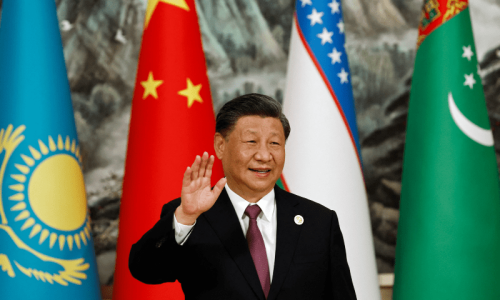
This year, Putin, Xi and EU chief Ursula von der Leyen have all visited the region for summits with the five Central Asian leaders.
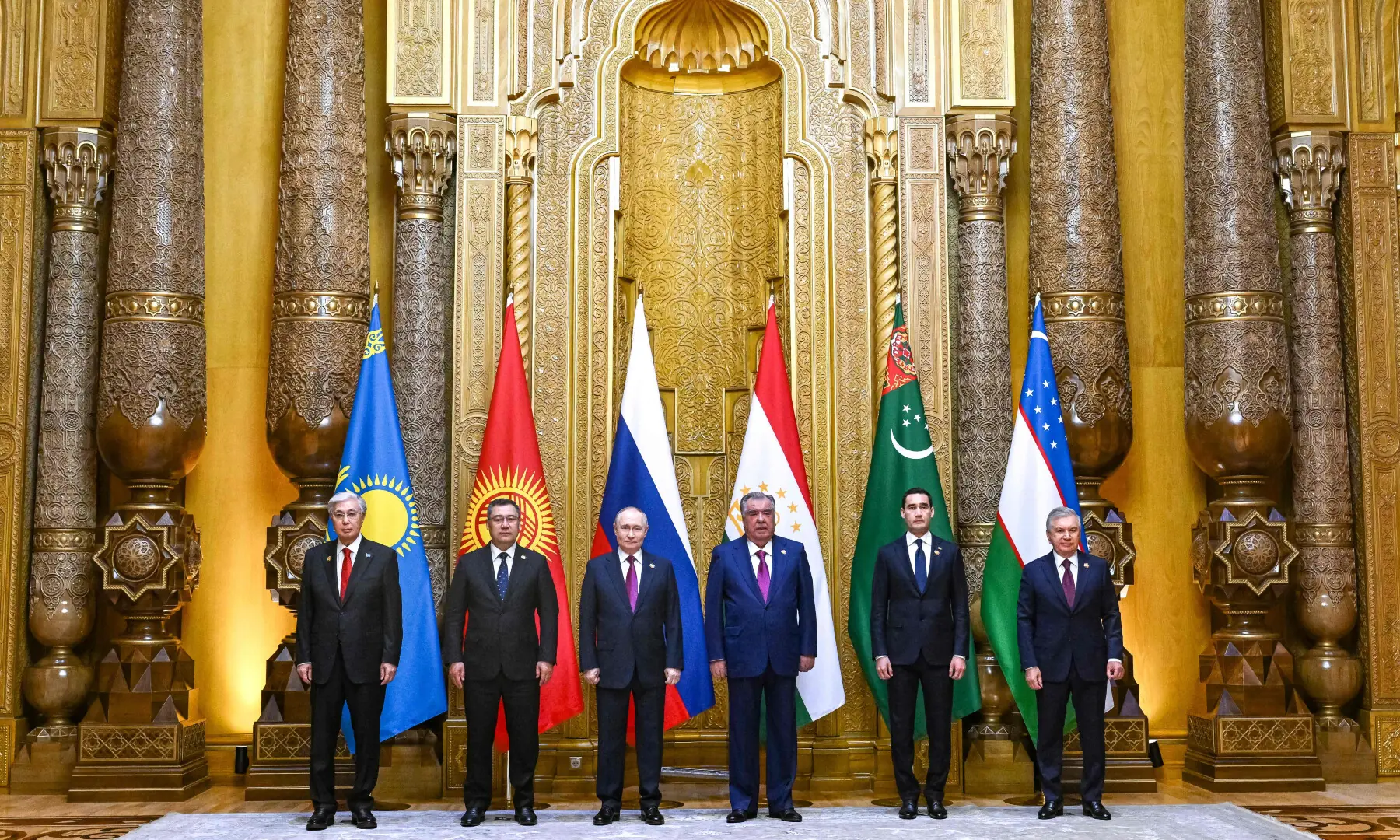
At the same time, ending most regional conflicts has enabled Central Asian countries to put on a united front in diplomacy.
China — which shares borders with Kazakhstan, Kyrgyzstan and Tajikistan — has presented itself as a main commercial partner, investing in huge infrastructure projects.
The ex-Soviet republics still see Moscow as a strategic partner but have been spooked by Russia’s invasion of neighbouring Ukraine.
Turkiye has built on its cultural ties with Central Asia and taken advantage of a distracted Russia to boost military and trade ties.
The West established some ties with the region in the early 2000s, when Western troops used bases in Central Asia during Afghanistan campaigns.
Resource-rich region
The US and EU are drawn by the region’s huge — but still mostly unexploited — natural resources as they try to diversify their rare earths supplies and reduce dependence on Beijing.
Other than rare earths, Kazakhstan is the world’s largest uranium producer, Uzbekistan has giant gold reserves and Turkmenistan is rich in gas.
Mountainous Kyrgyzstan and Tajikistan are also opening up new mineral deposits.
Russia remains firmly established in the region’s energy sector, supplying hydrocarbons through Soviet-era infrastructure and building nuclear plants.
Central Asia is also one of the world’s most polluted regions and hardest hit by climate change. All five countries have struggled with a shortage of water.
Complicated logistics
But exploiting these giant reserves remains complicated in the impoverished states with harsh and remote terrains.
Almost as large as the EU, but home to only about 75 million, Central Asia is landlocked and covered by deserts and mountains. It is sandwiched between countries that have strained ties with the West: Russia to the north, China to the east and Iran and Afghanistan to the south.
But, on the Silk Road for centuries, it is attempting to revive its historic role as a trading hub.
The five Central Asian states have forged several partnerships to break free from their dependence on Moscow.
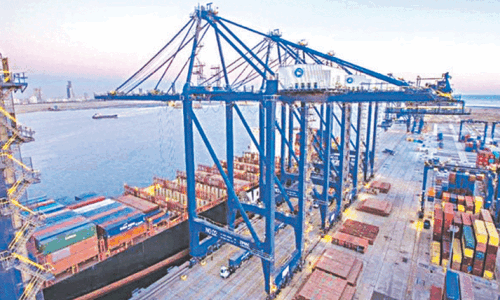
Both Beijing and Brussels support the development of a transport route across the Caspian Sea that allows reaching Central Asia from Europe through the Caucasus, bypassing Russia.
Between 2021, shortly before Russia’s Ukraine invasion, and 2024, the transport of goods by this road saw a 660 per cent increase, official statistics show.
Muffled human rights
For Trump, who has expressed admiration for hardline regimes, economic cooperation with Central Asia has taken first place over promoting democratic values in the authoritarian countries.
While the region has opened up to tourism and foreign investment, rights groups have sounded the alarm over the further deterioration of civil freedoms.
Human Rights Watch has called on the US to “ensure human rights are a key part of the agenda” during the summit.
“The summit is taking place while all participating governments have increased efforts to stifle dissent, silence the media, and retaliate against critics at home and abroad,” it said in a statement Monday.
Central Asian countries are ranked at the bottom of the Reporters Without Borders press freedom ranking, with Turkmenistan — one of the world’s most secretive states — ranked 174th out of 180 countries.
Kazakhstan and Kyrgyzstan had welcomed Trump’s order to dismantle US media outlet Radio Free Europe — one of the last sources of alternative information in Central Asia.
Header image: US Secretary of State Marco Rubio gives a thumbs up as he speaks during a reception with Central Asian states’ foreign ministers at the State Department in Washington, DC, US on Nov 5, 2025. — Reuters