US ends automatic extension of work permits
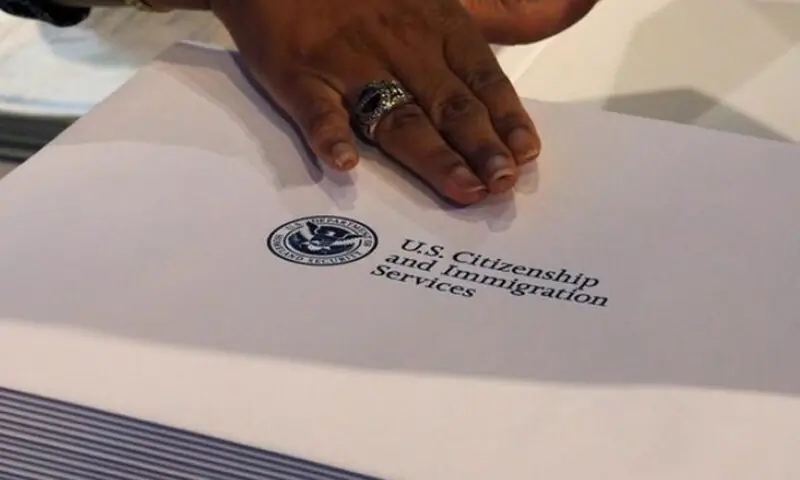
The US Department of Homeland Security (DHS) has issued an interim final rule that eliminates the automatic extension of work permits or Employment Authorisation Documents (EADs).
The new rule applies to renewal applications filed on or after October 30, and several categories of foreign nationals, including H-4 visa holders and spouses of certain categories of H-1B visa holders.
In a statement released to the media on Thursday, the United States Citizenship and Immigration Services (USCIS) recommended that “aliens seek a timely renewal of their EAD by properly filing a renewal application up to 180 days before their EAD expires”.
The agency warned that “the longer an alien waits to file an EAD renewal application, the more likely it is that they may experience a temporary lapse in their employment authorisation or documentation”.
The development is linked to several recent moves aimed at limiting both legal and illegal migration to the United States. It includes a $100,000 one-time fee on new H-1B petitions for skilled workers, which became effective on September 21.
Under the new rule, foreign nationals who submit a renewal application for their employment authorisation on or after October 30 will no longer automatically receive an extension of their existing work permit simply by virtue of a timely-filed application.
Previous policy allowed certain eligible applicants to continue working for up to 540 days after the expiry of their EADs while the renewal was pending, provided that they timely filed their applications.
The new rule abolishes that automatic extension in nearly all categories, so that once the current authorisation expires, work must cease unless a new authorisation is issued or some other basis to continue work exists.
The rule, however, does not apply retroactively: renewals filed before October 30 remain eligible for the automatic extension under earlier rules.
The DHS states there are limited exceptions — for example, certain extensions provided by law or via Federal Register notice may continue to be eligible for an automatic extension.
“With this rule, DHS prioritises the proper screening and vetting of aliens before extending the validity of their employment authorisations,” the official announcement added.
The DHS said ending automatic extensions of EADs “results in more frequent vetting of aliens who apply for employment authorisation to work in the US. Reviewing an alien’s background more often will enable [USCIS] to deter fraud and detect aliens with potentially harmful intent so they can be processed for removal from the US.”
“USCIS is placing a renewed emphasis on robust alien screening and vetting, eliminating policies the former administration implemented that prioritised aliens’ convenience ahead of Americans’ safety and security,” said USCIS Director Joseph Edlow.