Indian state-backed refinery halts Russian oil
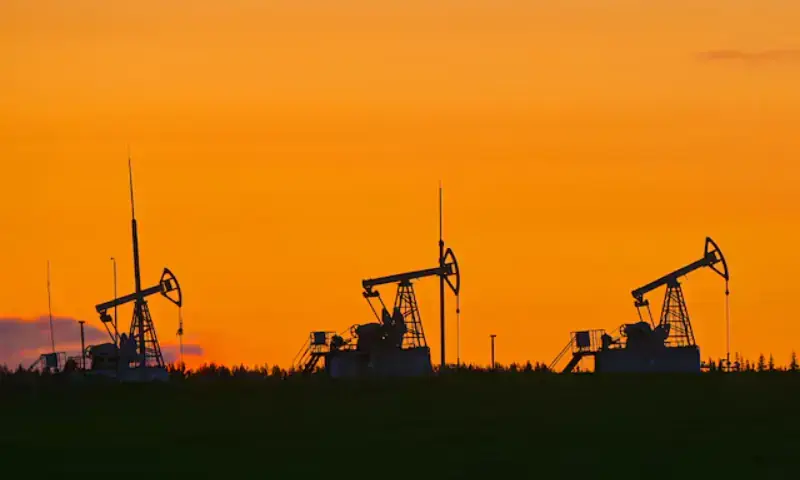

Indian state-backed refiner HPCL-Mittal Energy has halted purchases of Russian crude after US President Donald Trump imposed sanctions on Moscow’s two largest oil companies, the firm said.
Relations between Washington and New Delhi plummeted in August after Trump raised tariffs to 50 per cent, with US officials accusing India of fuelling Russia’s war in Ukraine by buying Moscow’s discounted oil.
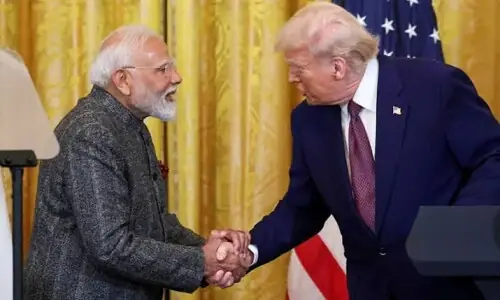
Trump has claimed that Indian Prime Minister Narendra Modi has agreed to cut his Russian oil imports as part of a prospective US trade deal — something New Delhi has not confirmed.
HPCL-Mittal Energy Limited (HMEL), a joint venture between steel tycoon Lakshmi Niwas Mittal and state-run Hindustan Petroleum Corporation Ltd (HPCL), said it had “taken the decision to suspend further purchases of Russian crude”.
The statement, issued on Wednesday, said last week the decision came after “recent announcements of new restrictions on imports of crude oil from Russia” by the United States, European Union (EU) and United Kingdom.
“HMEL’s business activity is in-line with [the] Indian government and energy security policy”, the statement added.
Reliance Industries, the privately-owned main Indian buyer of Russian crude, said last week it was assessing the implications of Washington’s restrictions, as well as those imposed this week by the EU.
“We will comply with the EU’s guidelines on the import of refined products into Europe,” a spokesperson for the company said, and with any guidelines from the Indian side.
The EU’s new curbs include a complete ban on Russian liquefied natural gas (LNG) imports by the end of 2026.
Reliance said it was confident that its “time-tested, diversified crude sourcing strategy” would ensure stability in refinery operations for meeting the domestic and export requirements, including to Europe.
On Wednesday, an investigation by London’s Financial Times reported that HMEL had received several shipments of Russian crude transported via vessels later blacklisted under US and EU sanctions.
HMEL said it did not charter the vessels and had limited visibility over the transport chain. It said that the ship that delivered the crude to India “was not under” US sanctions at the time of delivery.
India, one of the world’s largest crude oil importers, relies on foreign suppliers for more than 85pc of its oil needs.
Traditionally reliant on Middle Eastern producers, New Delhi started buying heavily discounted Russian crude in 2022, taking advantage of Western sanctions that limited Moscow’s export options.