E-challan system officially inaugurated in Karachi; over 2,650 issued by traffic police


 1
1
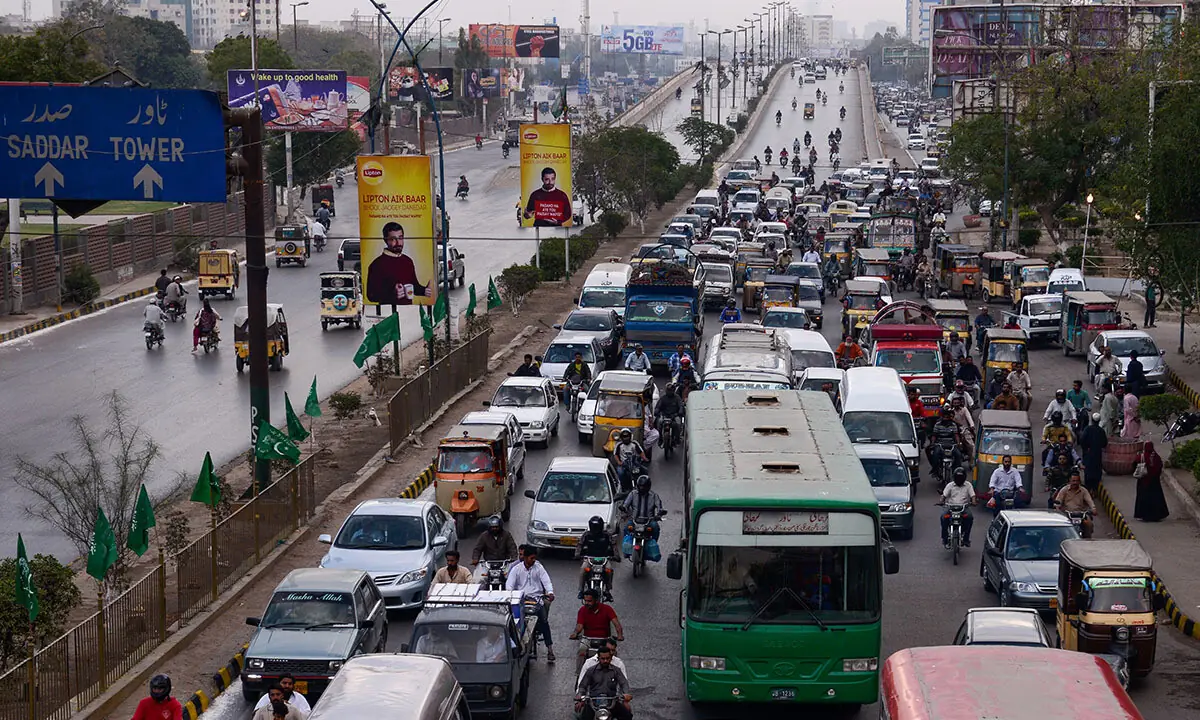

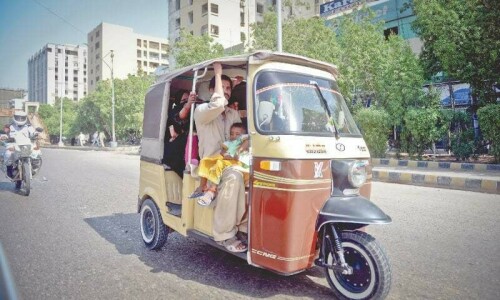
More than 2,650 electronic challans have been issued by the Karachi Traffic Police following the inauguration of the new e-ticketing system in the city.
In June, the Sindh government decided that e-challans for traffic violations would be delivered to vehicle owners’ registered home addresses. Vehicles with unpaid fines would not be allowed to be sold or transferred.
The decision came amid the port city witnessing a surge in traffic accidents, particularly involving dumpers and water tankers, that killed nearly 500 people and injured 4,879 in 2024, according to hospital data.
The spate of deadly incidents triggered protests over citizens’ deaths, prompting the provincial government to ban heavy vehicles during daytime hours and require them to obtain fitness certificates.
According to a press release by the Sindh police dated October 28, 1,535 challans have been issued for not wearing a seat belt, 507 challans for riding a motorcycle without a helmet, 419 for over speeding, 166 for running a red light, and 32 for using a mobile phone while driving.
Moreover, per the press release, seven challans were issued for putting tints on vehicle windows, five challans each for improper parking and parking in a no-parking zone, four for stop line violation, and three each for lane line violation and driving on the wrong way.
On the day of the inauguration, work was underway to further improve the technical aspects of the system, after which the e-challan system was activated, according to the press release.
The statement quoted the Deputy Inspector General Traffic as saying that this system is an “important milestone” in effective monitoring and ensuring compliance with traffic rules among citizens.
“With public cooperation, this system is being further improved. Citizens are urged to fully comply with traffic rules so that the traffic system in the city can be improved and accidents can be reduced,” said the statement.
Earlier this month, Inspector General (IG) of Sindh Police Ghulam Nabi Memon said the biggest problem in the metropolis is a lack of trained drivers, who are also responsible for tragic accidents.
Meanwhile, Additional IG of Karachi Javed Alam Odho said a faceless e-ticketing system would end abuse of powers by police and their negative attitude towards the public.