Public representatives ‘ignore’ KP CM’s instructions to spread dengue awareness
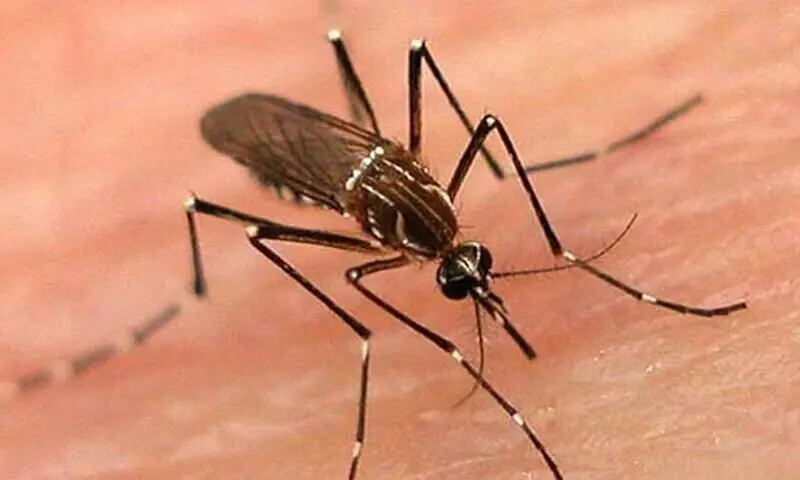
PESHAWAR: Amid high dengue incidence, health workers have complained that the elected public representatives are ignoring the chief minister’s instructions for spreading awareness of the mosquito-borne fever’s prevention and control.
They told Dawn that the district administration were actively conducting awareness sessions for students, businesspersons and other people in addition to supervising fumigation in dengue hotspots in Peshawar.
The health workers, however, complained that those elected by people were not interested in reaching out to residents to eliminate stagnant water on the street or avoid storing water in open pots at home.
The complaint comes as the the number of dengue cases reported in Peshawar this year reaches 406. Charsadda has the most dengue cases (1,058) in the province.
Health workers want lawmakers, councillors to supplement their anti-dengue efforts
On Saturday, the province’s infection tally rose to 3,939 after the detection of 74 new cases.
Workers of departments engaged in the anti-dengue campaigns said they wanted the elected representatives to swing into action and supplement their efforts against dengue through awareness.
They said MNAs, MPAs and councillors had created hype about the vector-borne disease in Peshawar but literally stayed away from the field where their presence was desperately needed to convince voters not to store water in an unsafe manner to deny breeding spaces to mosquitoes, the carrier and transmitter of the fever.
The workers said the dengue-related situation was under control but Peshawar, where top bureaucrats, elected representatives and VIPs lived, had been in the spotlight for the last few weeks though the number of daily dengue cases was below 20.
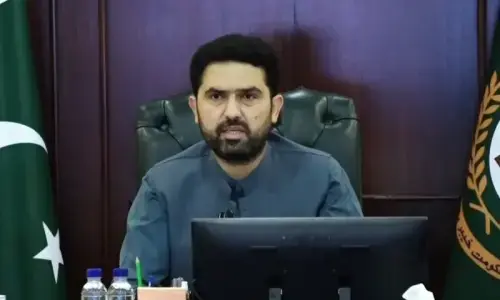
A few days ago, Chief Minister Sohail Afridi chaired a meeting on dengue prevention and control.
As health secretary Shahidullah Khan and director-general (health services) Dr Shahid Yunis briefed the province’s chief executive about the implementation of the Dengue Action Plan, 2025, the latter asked the elected public representatives to actively spread anti-dengue awareness. However, lawmakers and councillors weren’t seen in the field afterward, according to health workers.
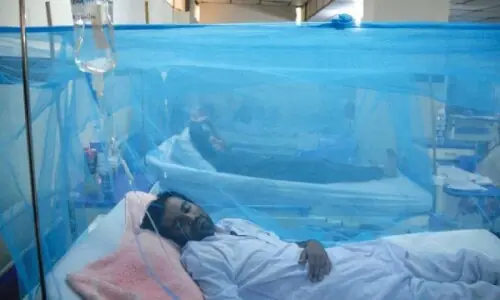
Dengue has so far caused hospitalisation of 1,628 people in the province this year, with 23 being admitted in the last 24 hours, officials told Dawn.
They said currently, hospitalised people totaled 33, which was quite a “normal” number in October.
The officials warned that any carelessness on part of people about preventive measures could snowball the dengue problem into a major public health issue like 2017 when hospitals were overwhelmed with dengue patients with the cases totaling over 30,000 along with 70 deaths, almost 90 per cent in Peshawar.
They said the province had 304 active dengue cases and the number was “within the acceptable limits”.
The officials, however, warned there was no room for complacency as the temperature continued to favour mosquito breeding.
They said Peshawar had recorded over 50pc of the province’s dengue cases in previous years but this year, Charsadda had the highest dengue incidence in the province, requiring an active campaign to scale up awareness.
The officials said the areas known as dengue hotspots had been reporting cases, mostly due to open water storage that led to mosquito production, so there could be a repeat of the 2017 dengue crisis.
They said both health workers and district administration needed full support and intervention of MNA and MPAs in their respective constituencies for dengue control as they were respected and heard by voters.
The officials said health workers and those from other departments couldn’t reach every house.
They said as dengue peaked in the current month, the only way to contain it was the elimination of mosquito breeding spots through massive public awareness, which was possible by engaging elected public representatives.
Published in Dawn, October 26th, 2025