
• A Tando Adam ginner is found mixing cotton waste into high-grade lint
• Stakeholders say malpractice has pushed textile mills towards costly imports, deepening financial woes
• Investigators allege armed men assault PCGA team
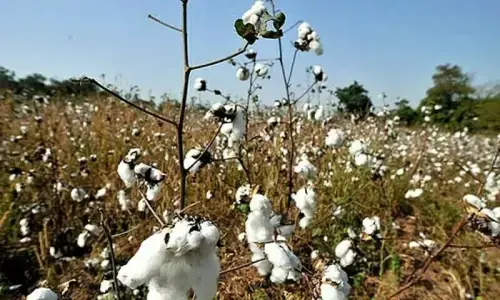
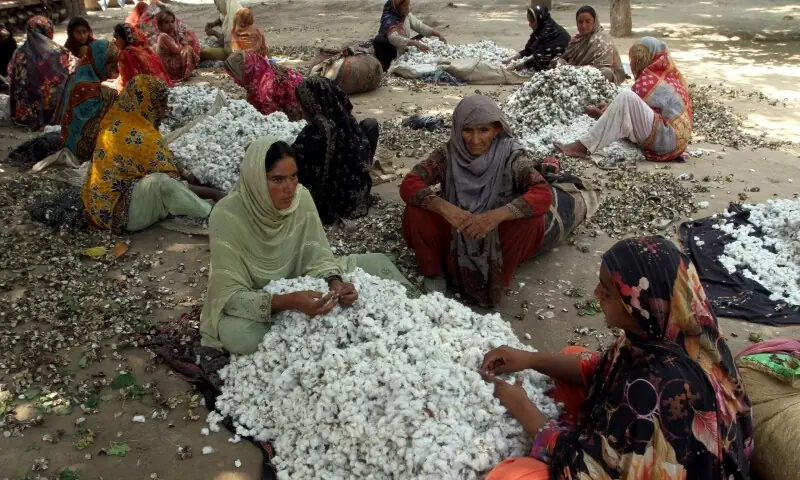
LAHORE: A startling case of large-scale cotton adulteration has surfaced in Sindh, where a ginning factory in Tando Adam was allegedly found mixing cotton waste into high-grade lint to produce what industry insiders are calling “burger cotton.”
According to reports, a four-member monitoring team of the Pakistan Cotton Ginners Association (PCGA) — formed to curb such malpractice — raided the factory after receiving credible complaints. However, the operation turned violent when the factory owner allegedly summoned nearly a hundred armed men who assaulted and detained the visiting committee members for several hours on Sunday.
The incident has sent shockwaves through the cotton ginning industry nationwide. In protest, an emergency meeting of the PCGA’s monitoring committee and Sindh-based ginners was convened in Tando Adam, where participants resolved to register an FIR against the factory management after the Diwali holidays.
Some ginners in collusion with textile mill representatives and laboratory staff, had been blending cotton waste into lint bales — a practice that has steadily eroded the quality of Pakistani cotton – for several years. This malpractice has discouraged textile mills from purchasing domestic cotton, pushing them instead towards costly foreign imports and deepening the industry’s financial crisis.
Ahead of the cotton year 2025-26, the PCGA had decided to expose such “black sheep” in the sector. Separate monitoring committees were set up for Punjab and Sindh with the authority to inspect ginning factories and take disciplinary action against violators.
The Sindh monitoring committee, led by well-known ginner Ramesh Lal, had already inspected several units since May. While a few factories were earlier found involved in adulteration and warned, no fresh complaints had surfaced until recently. Following renewed reports from textile buyers, a four-member team — comprising Haji Liaquat Ali Laskani, Seth Gopal Das, Seth Kishan Chand, and Seth Jay Dada — conducted a surprise raid on the Tando Adam factory.
According to the investigators, they discovered that three ginning units were operating within a single compound, where workers were pressing bales in a sophisticated manner — filling the outer layers with premium lint while packing the inner cores with cheap cotton waste. This ensured that laboratory samples taken from the surface appeared to meet quality standards.
As the committee members attempted to enter the facility, they reportedly faced stiff resistance. The factory owner called in over a hundred armed men, who beat and threatened the PCGA team at gunpoint before releasing them after considerable delay. Sources said heaps of cotton waste were seen openly being mixed into lint during the raid.
Ihsanul Haq, a representatives of the ginning industry said such adulterated lint, nicknamed “burger cotton” in Sindh, was being produced and sold at high prices with the alleged connivance of ginning owners, textile mill procurement agents, and lab staff — allowing all parties to profit while damaging the reputation of Pakistani cotton exports.
In the wake of the attack on the PCGA team, the PCGA monitoring committee and Sindh ginners held an emergency session in Tando Adam on Sunday evening, chaired by senior members of the association, to review the situation and finalise legal and disciplinary measures against those involved.
The meeting decided that All Pakistan Textile Mills Association (Aptma) officials and major textile groups would be immediately informed about the reported mixing of cotton waste in the said ginning factory. Another meeting of cotton ginners was scheduled for Thursday, after the Diwali holidays, to formulate a strategy for strict disciplinary action against the concerned cotton ginner and to seek a ban on factories mixing cotton waste with quality lint.
The meeting further resolved to urge textile mill owners to dismiss those selectors and laboratory staff who, in collusion with ginning factory owners, blend cotton waste into quality lint. Participants stressed that producing high-quality cotton domestically would help significantly boost the country’s exports.
The association has also demanded immediate government protection for its inspection teams and a nationwide crackdown on adulterated lint production to safeguard the integrity of Pakistan’s cotton industry — a sector already struggling to maintain competitiveness in the international textile market.
Published in Dawn, October 21st, 2025