Potohar’s quiet powerhouse for cattle breeding and rural survival


 0
0
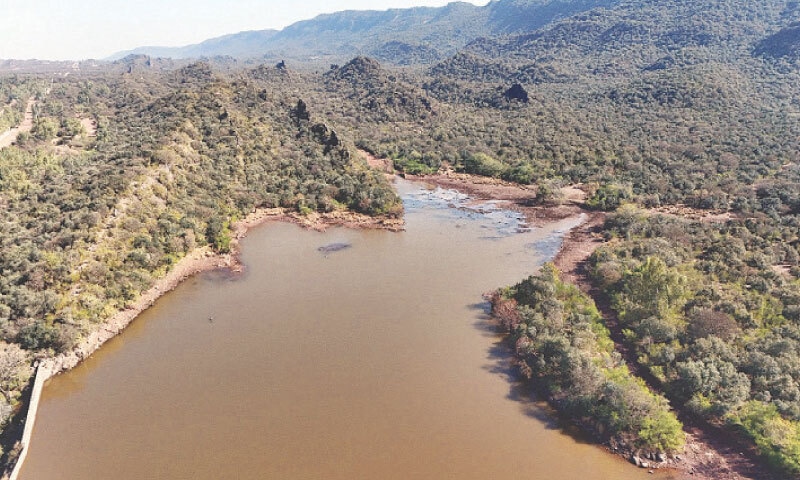
As dusk settles over Kheri Murrat’s red soil, silhouettes of cows return to the paddocks and the low hum of the generator signals the start of another night of record-keeping.
The place feels serene - almost forgotten. But inside, a handful of researchers and animal keepers persist, tracking births, testing feed samples and preparing the next batch of para-vets. Their work rarely makes headlines, yet it underpins the quiet resilience of Punjab’s rural households.
For now, the Barani Livestock Production Research Institute (BLPRI) remains a paradox - a national-level asset hidden in plain sight. Out of sight of the common people, but steadfastly in their service.
Inside its corrals, teams of researchers, technicians and trainees work to improve the breeds, feeding systems and animal health practices that sustain thousands of rural families across Punjab’s rain-fed (barani) belt. But step outside the gate, and one hears a different story - that of farmers who barely know the institute exists.
The institute’s scientists and field experts are developing solutions for livestock survival and productivity under drought, erratic rainfall, and limited fodder availability. Their work ranges from selective breeding of hardy cattle and sheep to nutritional studies, pasture management experiments, and training of para-veterinary staff who serve in the rural areas.
Walk through its corrals and you will find indigenous cows crossed with higher-yield breeds, carefully recorded lambing schedules, experimental fodder plots, and quiet laboratories where researchers monitor milk yields and growth rates. Each file, notebook, and data sheet is a small step toward sustainable livestock productivity under tough barani conditions.
A hidden national asset
Located 25 kilometres from Fatehjang city and 70 kilometres from Attock city, BLPRI, founded to serve as Pakistan’s model livestock research centre for arid regions, occupies nearly 2,000 acres of Potohar scrubland in tehsil Fatehjang.
It’s one of the province’s oldest and most specialised livestock facilities, yet it remains virtually invisible to the very people it was built to serve.
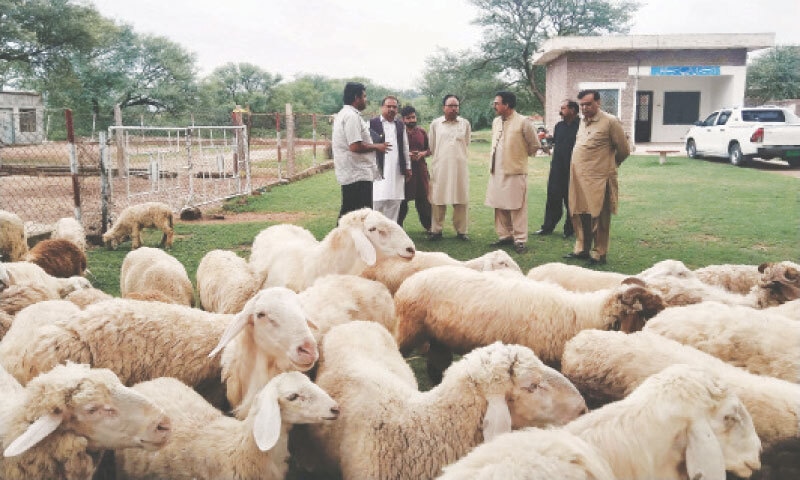
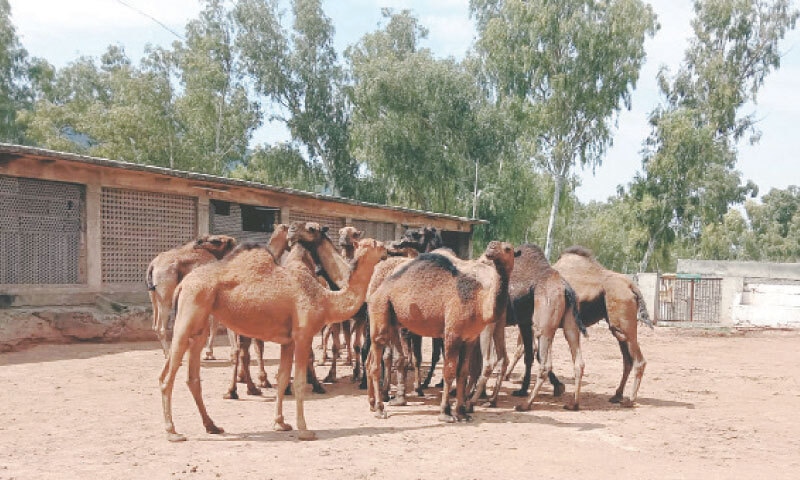
“This is a national-level cattle breeding and research institute,” said BLPRI Director Dr Murtaza Ali Tipu, “it was established as livestock farm in 1962 and it was upgraded to livestock station in 1979, and handed over to Punjab livestock department in 1987 and it was transformed in to full-fledged directorate with facilities being provided to the farmers and cattle breeders including Conservation of Livestock Genetic Resource, Production and Propagation of Superior Germ Plasm, Human resource development through education and in-service capacity building, Research, development in collaboration with Academia, breeding facilities of goat, sheep, cow and camel besides laboratory testing facilities of the diseases and investigation of diseases among cattle”.
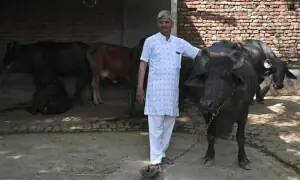
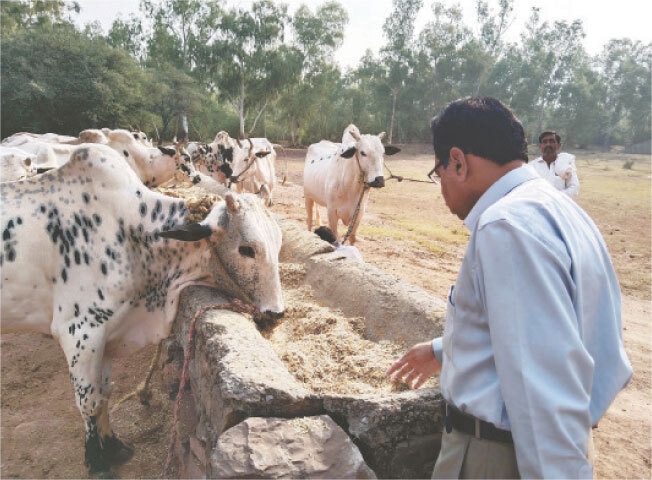
Dr Tipu said that within its barns are nucleus herds of Sahiwal and crossbred cattle, selected for endurance and feed efficiency under dryland conditions.
Over the years, the institute has developed superior male and female lines, tested fodder varieties that thrive on rainfall alone, and trained hundreds of para-veterinarians now serving across Attock, Chakwal and Jhelum.
Breeding resilience in hard times
In an age of climate stress, BLPRI’s work is quietly crucial. Its scientists run controlled trials on feeding efficiency, milk yield, and reproductive performance. They experiment with salt-tolerant and drought-resistant fodder crops. They document field data on growth rates, disease resistance, and fertility - data later used by provincial breeding programmes.
“The Potohar is a harsh teacher,” said Research Officer Asad Abbas Khan at the institute. “Our aim is not just to increase milk per cow, but to ensure that animals survive the dry months without expensive inputs. A resilient cow is worth more than a high-yielding but fragile one.”
He said this philosophy drives the institute’s research: practical, field-tested and suited to the reality of smallholder farmers who own two to five animals and rely on them like a savings account.
He said that the core functions of the institute include cattle and small ruminant breeding, feed trials, fodder development, disease control studies, and para-vet training.
Training the next generation
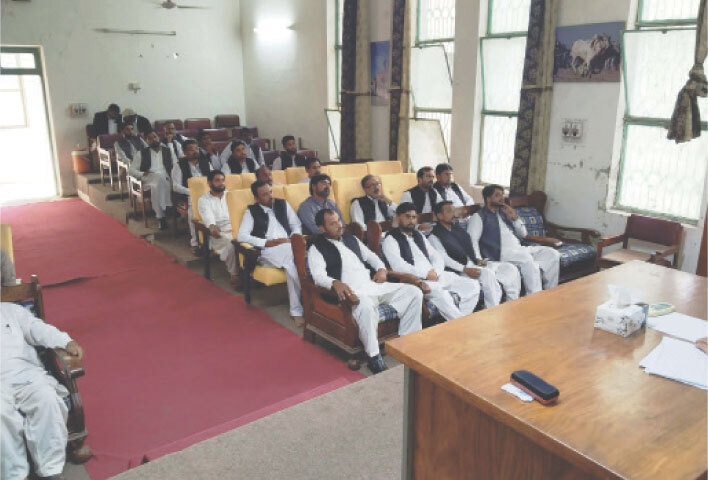
Beyond research, BLPRI doubles as a training ground. Para-veterinary courses, short refresher trainings, and hands-on internships for animal science students are conducted regularly. Young technicians learn artificial insemination, disease diagnosis, and record-keeping.
Still, these trainees are the institute’s living legacy - a network of field-level professionals carrying fragments of BLPRI’s expertise into rural Punjab.
A call for reconnection
For a region where livelihoods depend on a handful of cattle and goats, BLPRI Kheri Murrat is not just a research centre - it’s an untapped lifeline. Better breeding, improved feeding, and trained para-vets could transform rural incomes if the institute steps beyond its gates more often. Its laboratories, once linked directly with local dairy networks, could make Kheri Murrat the beating heart of Potohar’s livestock economy. For now, it remains a quiet fortress of science — out of sight, but not out of service.
Deputy commissioner Attock Rao Atif Raza said that Barani Livestock Production Research Institute (BLPRI) is indeed a gem in livestock and dairy development for the Potohar region, which is playing a pivotal role in preserving the traditional cattle through breeding.
Independent observers argue that if the institute is given a stronger extension mandate - with mobile field teams, regular farmer open days, and collaboration with local cooperatives - its impact could multiply.
Published in Dawn, October 20th, 2025