Amna slammed her bedroom door shut and flopped into her bed. “It’s not fair!” she mumbled in frustration, her voice muffled by the pillow. The reason was that her mother had refused to let her buy new clothes for an outing with her friends.
The thought of going out wearing the same two dresses she always wore made her cheeks burn with annoyance. Sometimes she changed the dupatta, or took a stole with them, but they still looked the same.
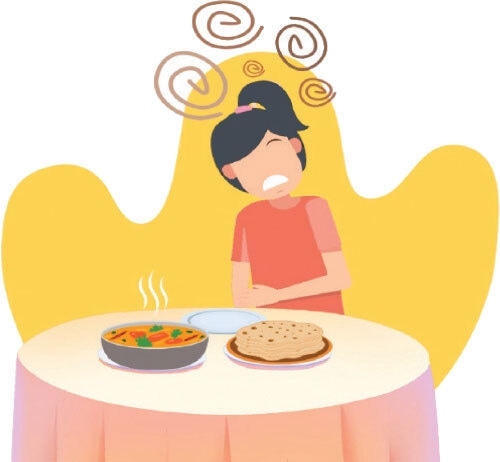
Later at dinner, her mood seemed to worsen. She pushed away her plate filled with warm chapatti and vegetable curry that her mother had made.
“Again this? Why do we always eat the same thing?” she complained in an annoyed tone.
No one answered her, so she slowly began eating her portion.
Suddenly, as she was eating, her phone buzzed with a notification. It was her cousin, Fatima. She had sent Amna a video. Amna was about to ignore it, but the caption made her pause: “Children suffer as the war drags on.”
After dinner, she went to her room to watch the video. The clip of a war-torn place played — it was heart-wrenching. Children her age and younger were shown starving and begging for food. The buildings in the background were all destroyed and had collapsed.
Amna felt tears well up in her eyes, and her heart grew heavy. The girl in the video looked no older than her, only she was barefoot and wearing tattered clothes. Amna thought of her own plate of food on the table, still unfinished. Her complaints about new clothes suddenly felt silly — almost shameful.
Just then, her bedroom door opened and her mother stepped in. Seeing Amna’s shaken expression and tear-filled eyes, she looked surprised.
“What’s wrong?” her mother asked as she approached. Then she noticed the video playing on the phone in Amna’s hand.
“I feel so guilty, Mum. Why do I get to live in comfort while they beg for survival?” Amna asked as her mother sat down beside her.
“Feeling guilty is natural,” she said gently. “We don’t choose where we are born. God Almighty gives each person a different test. Some are tested with hardship, while others with comfort. But if we have been given safety and food, then our duty is to share and pray for those who don’t.”
Her mother’s words changed Amna’s heart. She became happy and content with whatever she had. She practised gratitude and never complained or wished for things beyond what her parents could afford. She understood that she was privileged to live a free life — privileged to have a plate full of food three times a day, or whenever she wanted. She had nice clothes and went to school. These were all things she knew she should be thankful for.
From that day onwards, Amna tried to be more grateful for her blessings. She also started saving her pocket money to donate to those suffering, and she felt lighter knowing that even a small effort is a step towards justice and compassion.
Published in Dawn, Young World, October 11th, 2025