0
0

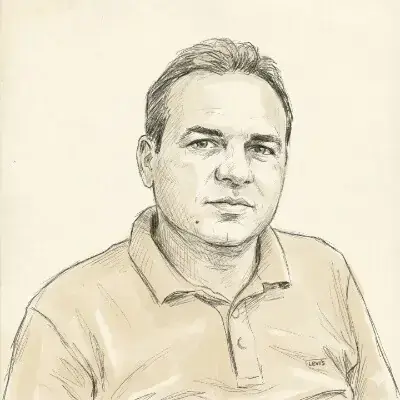
KARACHI: The Sindh High Court has dismissed a petition challenging the appointment of Prof Khalid Mehmood Iraqi as the vice chancellor of the University of Karachi.
A two-judge constitutional bench headed by Justice K. K. Agha observed that the incumbent VC was appointed by the Sindh chief minister, being the competent authority, as per law and no court intervention was needed.
A former dean of the faculty of social sciences had petitioned the SHC in 2023, impugning the July 28, 2022 notification regarding the appointment of Dr Iraqi as the KU VC on the grounds that he did not meet the mandatory criteria of 25 research papers published in Higher Education Commission (HEC) recognised publications by July 15, 2019.
The bench in its judgement said that administrative experience and other prerequisite qualifications, including 25 research publications by the cut-off date as mentioned in the advertisement, were key requirements.
Constitutional bench says seven out of 35 research papers of Dr Khalid Iraqi were published after deadline
It said that in an earlier round of litigation in 2022, the SHC had directed the HEC to verify the qualifications and publications of candidates for VC of KU and report back to the search committee.
“However, the Sindh Provincial Assembly subsequently passed the Constitution of the Search Committee Act, 2022. This new law established a new process. A new search committee was formed under this Act, which then had the HEC verify the credentials of all 13 shortlisted candidates. After this review, only five candidates were deemed eligible and were interviewed on June 16, 2022. On July 28, 2022, Prof Dr Khalid Mahmood Iraqi was appointed as vice-chancellor based on the new committee’s recommendations,” the bench recalled.
It noted that the Supreme Court had heard the matter and disposed of the petitions on the ground that a new law was in place and original court’s guidelines were not legally binding.
Quoting Section 13(1) of the University of Karachi Act 1972 which states that the vice-chancellor must be an ‘eminent academic’ qualified to be a full professor and is appointed by the chief minister for a four-year term, the verdict said that the CM was presented with a panel of the three top-ranked candidates for the final selection and subsequently, Dr Iraqi was appointed as VC. “
The bench said that the HEC verified 35 of research articles of Dr Iraqi, “although seven were published after the application deadline”.
“In such a situation, this court is not in a position to order for removal of the private respondent [Dr Iraqi] from the position of VC under the guise of writ of quo warranto, as apparently there is no inherent disqualification in him to hold the public office. The chief minister of Sindh, as competent authority, interviewed the candidates and made an appointment to subject position according to the law. Therefore, no court intervention is needed,” the bench ruled.
Referring to various rulings of the apex court, the verdict stated that the Supreme Court held that the grant of relief in writ jurisdiction was a matter of discretion.
“A writ like quo warranto, in particular is not to issue as a matter of course, on sheer technicalities, on a doctrinaire approach,” it said, adding that it was indeed difficult to rule that Dr Iraqi did not have the requisite qualification to hold the office of vice chancellor.
In January 2022, the SHC had ordered removal of Dr Iraqi from the office of the acting KU VC, which he held since 2019, after noticing serious allegations levelled against him. The bench had also ordered verification of publications of aspirants from the HEC.
Later, the Sindh government and others had challenged the SHC order before the apex court.
Published in Dawn, October 5th, 2025