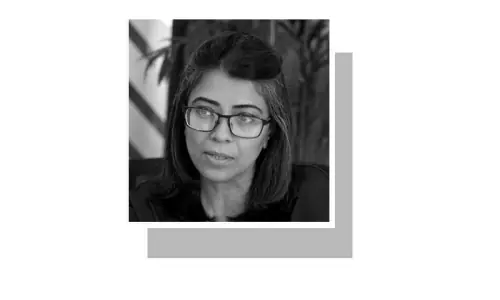
PPP’s Aseefa Bhutto-Zardari, the first lady and a member of the National Assembly, on Wednesday asserted that the Benazir Income Support Programme (BISP) was the “most effective way” to distribute aid to flood-affected people, adding that it would be “irresponsible to not utilise it”.
Her statement comes a day after Punjab Information Minister Azma Bokhari said that the provincial government would issue relief cards to the flood victims in their personal names using its own resources instead of using BISP to assist them. Over the past month, the PPP has repeatedly urged the Centre to disburse stipends among displaced citizens via the “efficient and proven” BISP.
BISP is a national safety net programme in Pakistan that provides cash assistance to poor and vulnerable families, particularly targeting women.
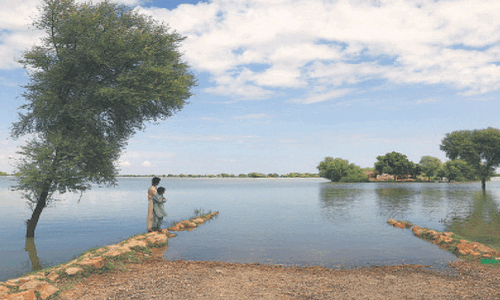
In a post on X, Aseefa said that over four million people had been impacted by the “unprecedented floods” in Punjab. She termed the BISP as the “fastest and most effective way” to distribute aid to those affected.
“Not utilising one of the state’s key organisations, which has both the data and the capacity to deliver assistance, would be irresponsible,” she said.
Over the past weeks, the PPP chairman and senior leaders have encouraged the use of the flagship income support initiative to provide relief to thousands of citizens affected by the monsoon floods.
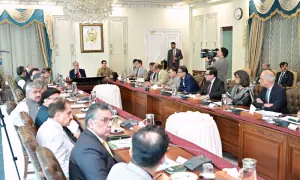
PPP Vice President Sherry Rehman had “strongly and repeatedly” advocated the use of BISP for the purpose in a Senate committee meeting.
In yesterday’s press conference, Azma Bukhari had said that the relief cards would ensure that help reaches the right people, adding that the government was focused on “serving, not politicising” the issue.
The minister, taking a jibe at PPP’s insistence over BISP use, remarked, “Should we take advice from those who have turned Sindh into archaeological ruins?”
At present, the Punjab government has announced a compensation package for the flood-hit families, which includes Rs20,000 per acre for crop loss, Rs1 million for completely destroyed homes, Rs500,000 for partially damaged homes, and Rs500,000 for the loss of cattle.
On September 18, PML-N leader and PM’s aide Rana Sanaullah had ruled out the use of BISP in helping flood-affected people, calling it unviable for a cash-strapped government. Rana Sana said the BISP could not be continued in its current form — it either needed to be wrapped up or be completely revamped.