RAWALPINDI: The United Nations Office on Drugs and Crime (UNODC) Country Office in collaboration with the Federal Investigation Agency (FIA) and supported by Immigration, Refugees and Citizenship Canada held a one-day media awareness session in Islamabad on Tuesday to strengthen journalists’ capacity for ethical and responsible reporting on trafficking in persons and smuggling of migrants.
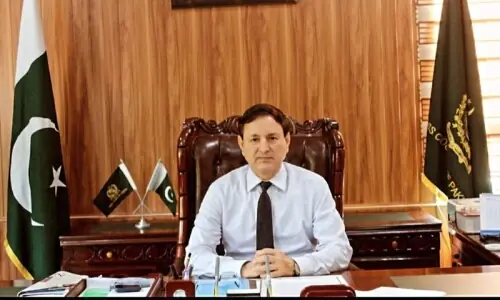
Over 30 journalists and editors from leading media houses, FIA additional director general immigration and anti-human trafficking Shakeel Ahmed Durrani, representatives of UNODC and senior journalist Aoun Sahi participated in the workshop. It stressed survivor-centred reporting, accurate legal terminology, safeguarding victims’ identities and avoiding sensationalism.
Through interactive presentations, case studies and discussions, participants explored how ethical journalism can shape public awareness, influence policy and support Pakistan’s national response to these crimes.
Mr Durrani, distinguished between human trafficking and migrant smuggling, stating that the government had already amended the laws to impose harsher penalties for human trafficking and smuggling. He said the FIA was carrying out its job in accordance with the National Action Plan.
Facilitated by Mr Sahi, the session reinforced key principles regarding reporting on human trafficking and migrants smuggling. He emphasised on using correct terminology while reporting and differentiating trafficking in persons from smuggling of migrants, stressing how misuse confuses the public and undermines legal/policy responses.
The survivor-centred approach, he urged, avoided stigmatising language, passive voice or sensational headlines; protecting privacy and dignity with pseudonyms, blurred visuals and trauma-informed interviews. Legal grounding: references to Pakistan’s Prevention of Trafficking in Persons Act (2018) and Prevention of Smuggling of Migrants Act (2018).
Regarding ethical guidelines, it was emphasised avoiding clichés, framing stories within human rights and social contexts (poverty, gender inequality, migration gaps) and highlighting systemic complicity.
Mr Sahi said the media’s role was very important, especially for public awareness as it plays an important role in shaping public understanding, influencing government priorities, exposing organised crime and sustaining momentum for reforms.
Before the conclusion of the workshop, certificates were distributed among the journalists.
During the question answer session, the mediapersons expressed their concern over lack of coordination between the FIA and media.
Published in Dawn, August 27th, 2025