NA panel divided over bill to keep lawmakers’ assets secret

• PML-N and PTI members oppose PPP move to amend Elections Act, insist public has right to know representatives’ assets
• Naveed Qamar argues lawmakers deserve same relief as civil servants
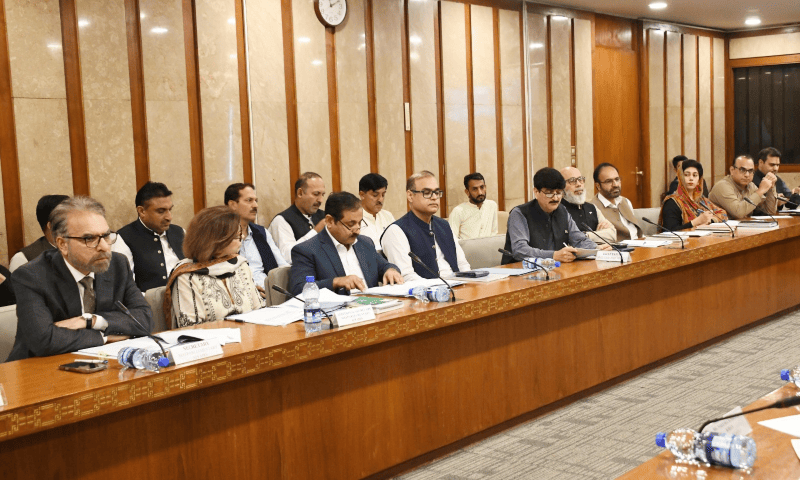
ISLAMABAD: A National Assembly panel on Friday failed to reach consensus on a bill seeking secrecy of lawmakers’ assets after members from PML-N and PTI joined hands to oppose the move tabled by PPP legislators.
Under the existing law, all members of the National Assembly, Senate, and provincial assemblies are required to submit to the Election Commission, on or before Dec 31 each year, a statement of their assets and liabilities, including those of their spouses and dependent children. Section 138 of the Elections Act also requires the ECP to publish these declarations in the official gazette.
The National Assembly’s Standing Committee on Parliamentary Affairs, which met under the chairmanship of Rana Iradat Sharif Khan, considered the bill introduced by Shazia Marri and Syed Naveed Qamar.
The proposed amendment to Section 138 seeks to insert a proviso stating: “Provided that the extent of disclosure, under this section, shall give due regard to the balance between public interest for good governance and an individual’s privacy and security. Provided further that the extent to which the first proviso shall apply will be determined by the Speaker of the concerned Assembly and, in the case of the Senate, by the Chairman.”
According to the statement of objects and reasons, the amendment aims to strike a balance between transparency and the protection of individual rights.
It states: “While the publication of statements of assets and liabilities serves a vital role in promoting public accountability, enhancing trust in public office, and ensuring good governance, it is recognised that unrestricted or excessive disclosure could potentially compromise the personal security and privacy of parliamentarians and their families.”
During the proceedings, Mr Qamar referred to the recently passed amendment to the Civil Servants Act, which requires civil servants in grades 17 to 22 to disclose all domestic and foreign assets, including those of their spouses and dependent children.
He pointed out that civil servants can approach their heads of departments if they believe disclosure of their assets could pose a security threat. He argued that similar relief should also be available to lawmakers.
The committee was also apprised that National Cyber Crime Investigation Agency (NCCIA) was expanding its operational capacity. The agency has also enhanced coordination with the PTA to curb the misuse of illegal SIMs. It also raised concerns over financial crimes, fraudulent activities targeting the BISP.
Published in Dawn, August 23rd, 2025