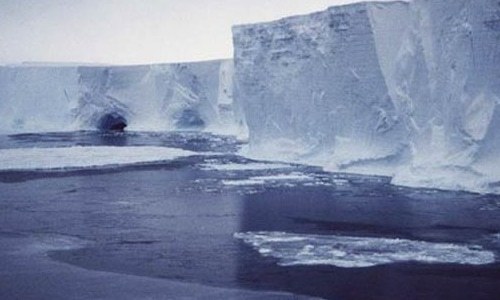
Antarctic climate shifts threaten ‘catastrophic’ impacts globally
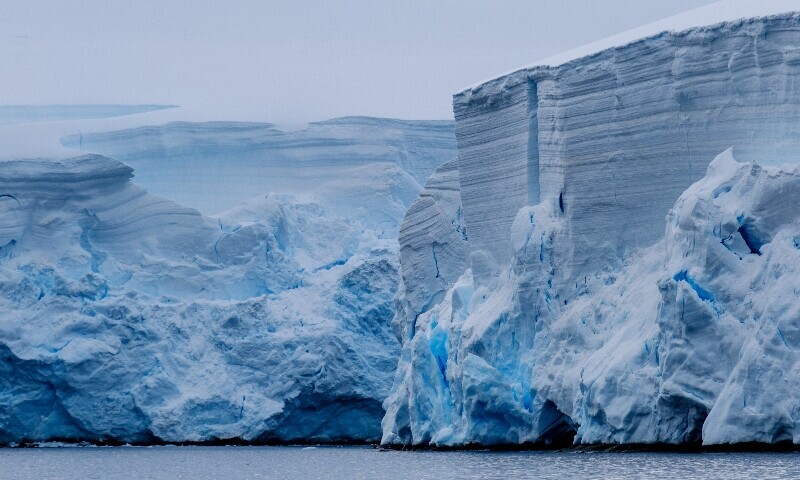
PARIS: Abrupt and potentially irreversible changes in Antarctica driven by climate change could lift global oceans by metres and lead to “catastrophic consequences for generations”, scientists warned on Wednesday.
More broadly, a state-of-knowledge review by a score of top experts revealed accelerating shifts across the region that are often both cause and effect of global warming, according to a study published in Nature.
“Antarctica is showing worrying signs of rapid change across its ice, ocean and ecosystems,” lead author and Australian National University professor Nerilie Abram said.
“Some of these abrupt changes will be difficult to stop.” Shifts in different facets of Antarctica’s climate system amplify each other and have accelerated the pace of warming globally as well, she said.
The study looked at evidence of abrupt change — or “regime shifts” — in sea ice, regional ocean currents, the continent’s ice sheet and ice shelves, and marine life. It also examined how they interact.
Floating sea ice does not add to sea level when it melts. But its retreat does replace white surfaces that reflect almost all of the Sun’s energy back into space with deep blue water, which absorbs the same amount instead. Ninety percent of the heat generated by manmade global warming is soaked up by oceans.
Retreating sea ice
After increasing slightly during the first 35 years that satellite data was available, Antarctic sea ice cover plunged dramatically over the last decade. Since 2014, sea ice has retreated on average 120 kilometres (75 miles) from the continent’s shoreline. That contraction has happened about three times faster in 10 years than the decline in Arctic sea ice over nearly 50.
The “overwhelming evidence of a regime shift in sea ice” means that, on current trends, Antarctica could essentially become ice free in summer sooner than the Arctic, the study found. This will speed up warming in the region and beyond, and could push some marine species toward extinction.
Over the last two years, for example, helpless emperor penguin chicks perished at multiple breeding grounds, drowning or freezing to death when sea ice gave way earlier than usual under their tiny feet.
Published in Dawn, August 21st, 2025