UN-OCHA working with govt to manage future disasters, says its chief
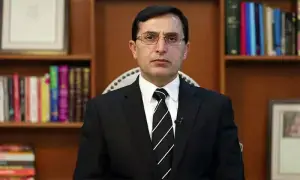
ISLAMABAD: The head of United Nations Office for the Coordination of Humanitarian Affairs, Carlos Geha, said on Wednesday that UN-OCHA is working closely with the government and development actors to build resilience, reduce vulnerability and enhance national capacity to manage future disasters.
He was speaking at an event held in Islamabad on Wednesday to mark the World Humanitarian Day, which is observed on annually on August 19, to mark the anniversary of a bomb attack on UN compound in Baghdad which killed 22 humanitarian aid workers, including UN Secretary-General’s Special Representative for Iraq, Sergio Vieira de Mello.
“Every disaster we face is one we did not ask for,” Mr Geha noted. “But every act of compassion — by governments, humanitarian partners, and citizens reminds us of our shared humanity. On the World Humanitarian Day, we stand together to honour those who serve and recommit to action,” he said.
Despite these efforts, humanitarian needs are rising faster than funding resources. Of the $45 billion required globally in 2025 to meet humanitarian needs, only 18 per cent has been received. The gap puts millions at risk, including vulnerable populations in Pakistan facing threats from climate change, food insecurity, education disruptions, and local conflicts, the OCHA head said.
No national emergency has been declared. The situation remains under control, with active government response and support from humanitarian and civil society partners across affected union councils and tehsils, according to UN-OCHA.
A report of UN-OCHA says district authorities in Khyber Pakhtunkhwa have reported some priority needs, including drinking water, medicines, winterised tents, heavy machinery for debris clearance and high-capacity pumps to remove standing water in low-lying areas.
The OCHA, with partners, is conducting direct observation assessments in nine affected KP districts from 21 August to identify priority needs. The data collected by August 22 will further inform needs and gaps of the communities in the areas.
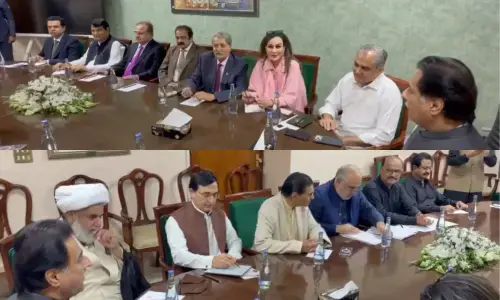
The OCHA is convening Emergency Working Group (EWG) meetings at the national level jointly with the KP emergency working group while PDMA and the Relief Secretariat have called meetings with humanitarian partners this week.
The OCHA is compiling the response of partners in the affected districts through a link which is being shared with partners and government. The 2025 Regional Envelope for Pakistan has been launched and it will help in addressing the urgent humanitarian needs triggered by the ongoing monsoon floods. The allocation will prioritise life-saving, multi-sectoral assistance through partner organizations working in the affected areas, the OCHA says.
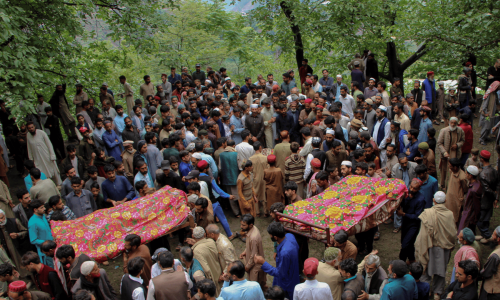
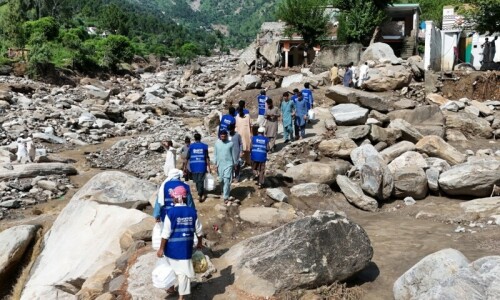
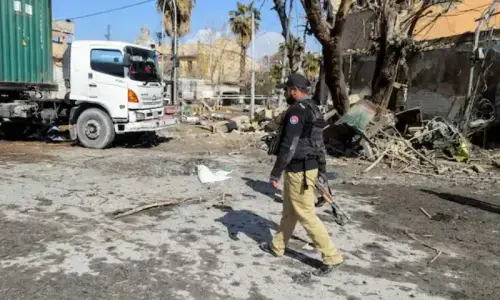
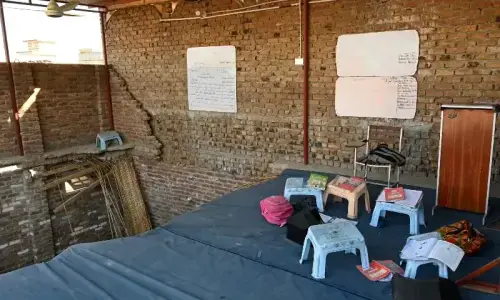
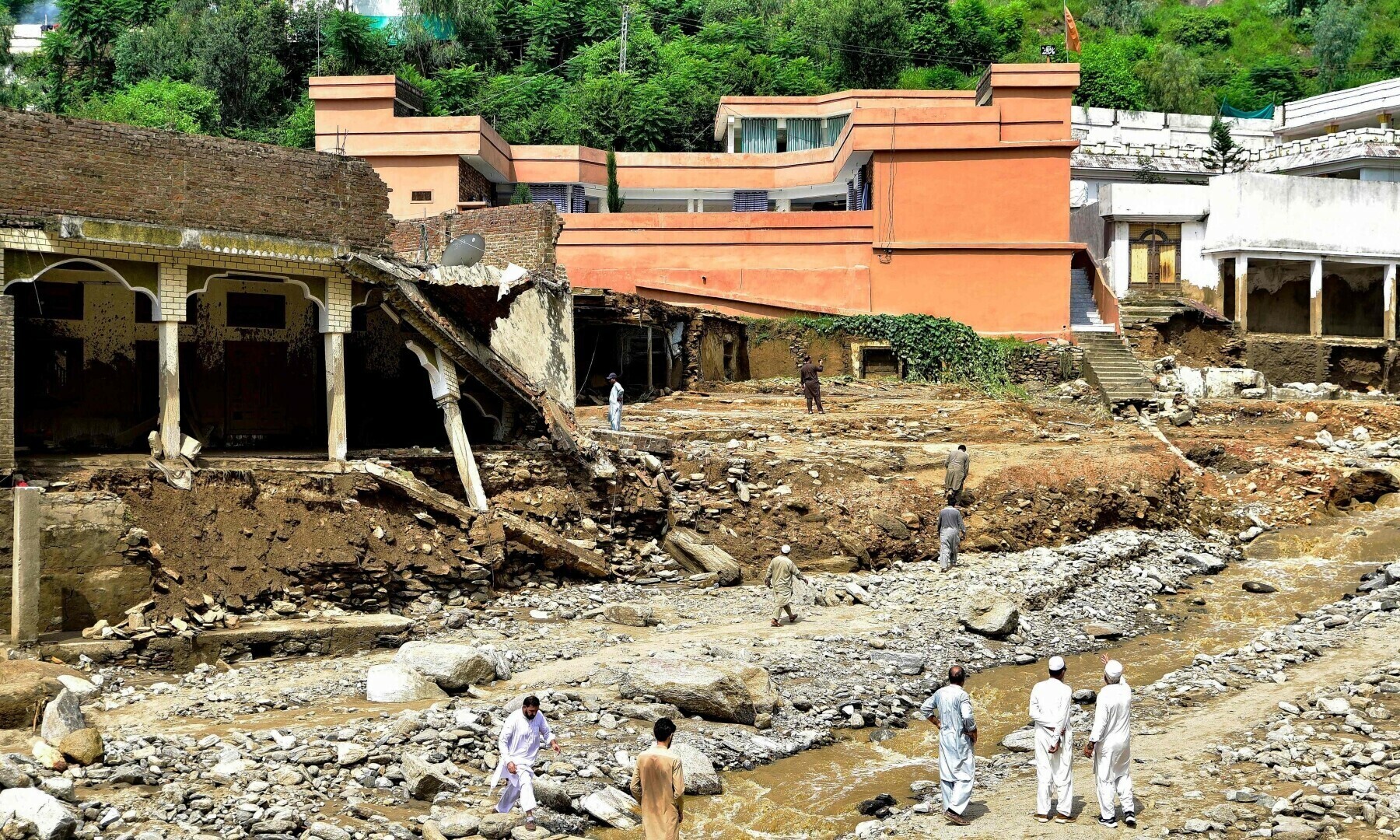
This year’s theme, ‘ActForHumanity’, is especially poignant as Pakistan faces floods across several regions. As of Wednesday, over 600 homes have been destroyed and more than 1,000 people displaced, with major cities like Karachi at risk of being further impacted. Many affected communities are located in hard-to-reach areas, making emergency response efforts even more challenging.
In response, the Pakistan government, in collaboration with Rescue 1122, Red Crescent Society, NDMA, and PDMAs, and UN agencies has launched urgent relief and evacuation efforts. Thousands have received aid, including food, shelter, and medical support.
This highlights the strength of coordinated action in the face of crisis, a United Nations press release said.
Pakistan currently serves as President of the ECOSOC Humanitarian Affairs Segment (HAS), reinforcing its long-standing partnership with the UN and commitment to human rights and humanitarian norms.
Published in Dawn, August 21st, 2025