Pakistan, Iran set $3bn target for agri-trade in two years


 0
0


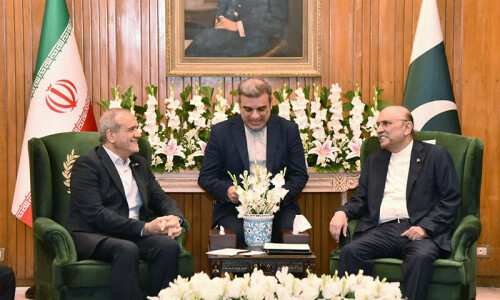
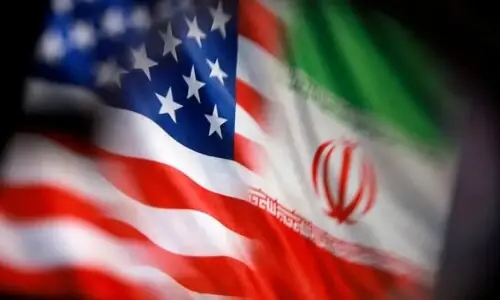
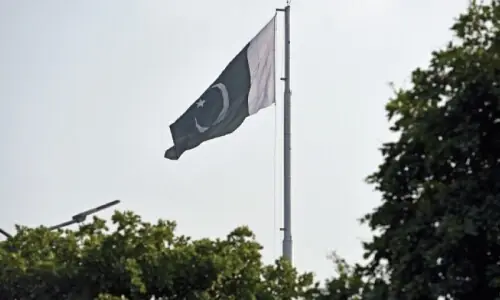
ISLAMABAD: Pakistan and Iran on Monday decided to boost bilateral agriculture trade to $3 billion within two years.
The two countries signed a joint communique at the end of the visit of a high-level ministerial delegation of Pakistan, led by Minister for National Food Security and Research, Rana Tanveer Hussain, to Tehran.
The Pakistani minister succeeded in securing Iran’s agreement to import a major portion of its rice imports from Pakistan. Under the agreement, Iran’s government and private sector will now rely primarily on Pakistan for rice imports, opening a consistent and stable export market for Pakistani rice, a press release of the Ministry of National Food Security and Research said.
Mr Hussain also obtained firm assurances from Iran to resolve hurdles in mango exports, particularly delays in import permits and foreign exchange allocations.
Iran’s Minister for Agriculture, Gholamreza Nouri Ghezeljeh, said the current volume of agriculture goods’ trade between the two countries stand at around $1.4 billion, but the two countries have complementary strengths that can be used to secure each other’s needs across different seasons.
He said that Iran will expand exports of its dairy products, nuts, fruits and vegetables to Pakistan, while Pakistan will meet a portion of Tehran’s corn and rice imports and 60 per cent of its meat imports under the new plan.
Mr Nouri said the two sides agreed to strengthen cooperation in research on climate change and food security, and set up a joint agriculture committee that will meet every six months to monitor progress and resolve bottlenecks.
The Pakistani minister also secured consensus on a wide range of facilitation measures aimed at easing agriculture trade. These included faster customs clearance, establishment of warehouses and cold chain systems, and improvements in border infrastructure to ensure perishable commodities reach markets efficiently and in top quality.
The two countries also reaffirmed their commitment to move forward towards a Free Trade Agreement (FTA) that will provide a long-term framework for expanding bilateral agriculture trade, he said.
The next session of the Iran–Pakistan Joint Economic Commission will be held in Tehran next month.
Published in Dawn, August 19th, 2025