

THE iconic journalist and editor Zubeida Mustafa, who encouraged, mentored, and centred women’s voices on the op-ed page of the Dawn, passed away earlier this month. Like many of my contemporaries, Mrs Mustafa asked me to start writing a column about Sindh in 2008. My first column about Sindhi identity caused such an uproar that it could have easily been my last. Though I made more than a few blunders and wrote many more columns that didn’t land well, or offended a lot of people, Mrs Mustafa always believed in my voice and my perspective. For that I am truly grateful to her.
Middle age, the stage of life I am in now, brings stability but with tremendous challenges. One by one, our parents, relatives, teachers, mentors, icons, begin to leave us. And by that euphemism, I mean that they begin to die.
My peer group is thick in the midst of caring for ailing relatives, accompanying elders to hospital visits, caring for people with debilitating illnesses, seeing family members through serious operations and treatments. Some of my friends have dealt with major illness themselves, and three weeks ago I lost a dear college friend to brain cancer.
When I was a teenager, grief and loss, etched so clearly and painfully on the faces of my elders, was a Pandora’s box I hadn’t yet had to open. At funerals, I had to be instructed on how to dress, what to pray, how to count funeral beads. I had no understanding of what it meant to love someone for a lifetime and then lose them. Now, I know much more about the rites and rituals of death, the prayers that are appropriate for these times, and the standard expression of condolences for the bereaved. I also know first-hand about the emotional wreckage facing the survivors.
But there is always more to learn. After the loss of a close relative a few years ago, I found a YouTube channel run by a nurse in the US called Hospice Nurse Julie; with compassion and honesty she talks about what it’s actually like when people physically die. Caring for someone who is actively dying is messy, alarming, disturbing and takes a huge emotional and physical toll on everyone’s mental and emotional health. But Nurse Julie’s message is that with knowledge, it doesn’t have to be feared.
I found it such a relief to hear someone speak so openly about what sometimes seems like life’s greatest taboo. In Pakistan, we know exactly what to do when someone has died, but we are less sure about what to do before that death occurs. A book by Dr Shahid Aziz, a pediatrician in Baltimore, US, who has been active in the field of palliative care, Courageous Conversations on Dying, is a practical guide for “physicians, healthcare providers and all the people they serve” as well as the family of a dying person, for whom difficult decisions must be made.
Palliative care is the support, medical and otherwise, provided to someone at the end of life. It is not meant to save them but to make the transition as peaceful and dignified as possible. Many illnesses that kill us also rob us of our respect; palliative or hospice care offers medical, emotional, psychological support, giving the patient as much autonomy as possible, easing suffering, and improving the quality of life of both dying patient and family. How? By communicating with the dying person with openness about their wants and needs as they go through this natural stage of life.
Dr Aziz instructs us to have those sensitive conversations with our ill family members about their deaths while they are still able to participate. We must respect how much medical intervention they want and when to stop trying to prolong their life. Rather than causing upset or conflict, this approach can bring clarity and relief to the person undergoing the process. Physicians must also take the initiative to communicate with a patient about their wishes, fears and prognosis.
Helping the family come to terms with the reality of a person’s mortality is a vital part of the physician’s job, too.
Many illnesses that kill us also rob us of our respect.
In Pakistan, death is made more traumatic by the morass of hospital procedures, bureaucracy, financial demands and medical decisions at the crisis hour. While a few hospitals in Pakistan are starting to introduce palliative care for their patients, it is limited mostly to oncology patients. This must change.
As well as making end-of-life care more compassionate and structured, our health sector and government should invest more money and resources in palliative care and bereavement support that begins before death. It will avert a great deal of unnecessary suffering not just for the individual, but for everyone deeply involved with the end of a precious life.
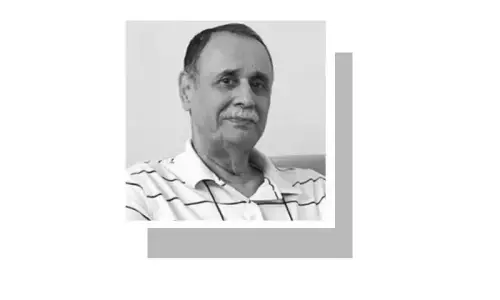
The writer teaches Expository Writing at the AKU Faculty of Arts and Sciences.
Published in Dawn, July 19th, 2025