IMF representative hails Pakistan’s ‘strong’ economic reform progress


 0
0
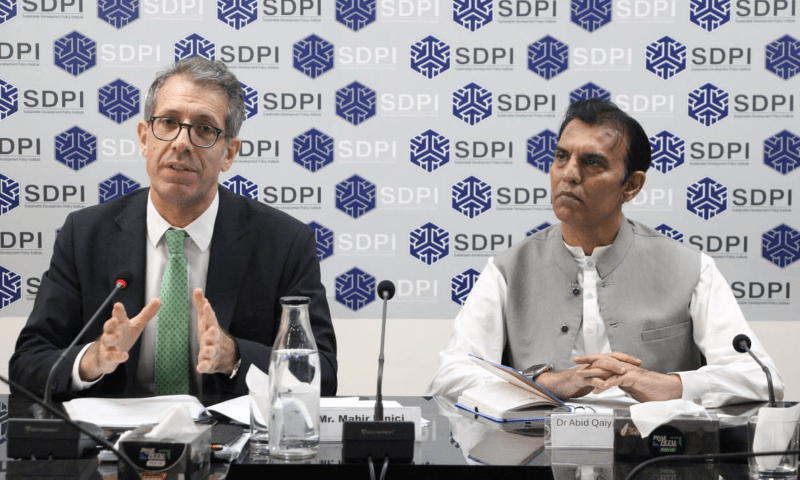

An International Monetary Fund (IMF) representative hailed Pakistan’s “strong” economic reforms carried out under the lender’s $7 billion loan programme, the Sustainable Development Policy Institute (SDPI) said on Sunday.
Pakistan had secured a three-year aid package deal in July 2024. The programme, approved by the IMF two months later, is set to allow the country to “cement macroeconomic stability and create conditions for stronger, more inclusive and resilient growth”.
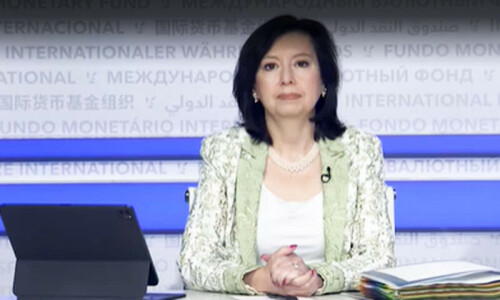
IMF’s Resident Representative for Pakistan Mahir Binici noted that the country’s performance under the 2024 Extended Fund Facility (EFF) had been “strong so far”, according to a press release issued by the SDPI on its guest lecture in Islamabad.
Binici termed the EFF’s successful first review — also encompassing agreement on the federal budget blueprint — by the IMF Executive Board in May as a key milestone.
“Early policy measures have helped restore macroeconomic stability and rebuild investor confidence, despite persistent external challenges,” Binici was quoted as saying.
He stressed that structural reforms remained central to Pakistan’s long-term economic sustainability, particularly reforms that strengthen tax equity, improve the business climate and encourage private-sector-led investment.
Addressing economists, researchers and policy experts, the SDPI statement said, Banici reaffirmed the Fund’s continued support for the country’s economic and climate reform agenda.
In March, Pakistan unlocked a new $1.3 billion arrangement with the IMF under its Resilience and Sustainability Facility (RSF) to build resilience against climate catastrophes through adaptation.
Binici noted that the RSF was designed to help countries like Pakistan bolster resilience to climate-related vulnerabilities and meet international climate commitments, the SDPI press release said.
The IMF official mentioned that the key areas of reform under the RSF included enhancing public investment planning, promoting efficient and sustainable use of water resources, improving institutional coordination for disaster preparedness and financing, along with expanding the availability and transparency of climate-related data.
Binici stressed that “support through the RSF will not only strengthen Pakistan’s climate resilience but also help unlock green investments and foster a more climate-conscious economic trajectory”.
The IMF official also shed light on the evolving economic landscape across the Middle East and North Africa (Mena) region and Pakistan. He stated that growth across the Mena region, as well as in Pakistan, was expected to strengthen in 2025 and beyond.
However, he cautioned that “elevated trade tensions, geopolitical fragmentation and weakening global cooperation continue to generate exceptional uncertainty and weigh on the global economic outlook”, underscoring the urgent need for prudent and forward-looking policy actions.
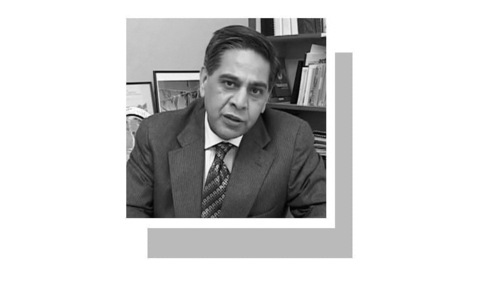
SDPI Executive Director Dr Abid Qaiyum Suleri welcomed the IMF representative’s outreach, noting the importance of informed economic dialogue and multilateral cooperation in Pakistan’s journey toward sustainable development.
The lecture concluded with an interactive discussion on fiscal and monetary policy frameworks, external buffers and the role of international institutions in fostering inclusive growth, the statement added.
The IMF had also praised Pakistan’s implementation of the $7bn EFF as strong in March after both concluded the programme’s first biannual review on a positive note.
In May, an official said the IMF Executive Board found that Pakistan had “met all of the targets” under the package and made progress on some of the reforms.