Gulf states on high alert


 0
0
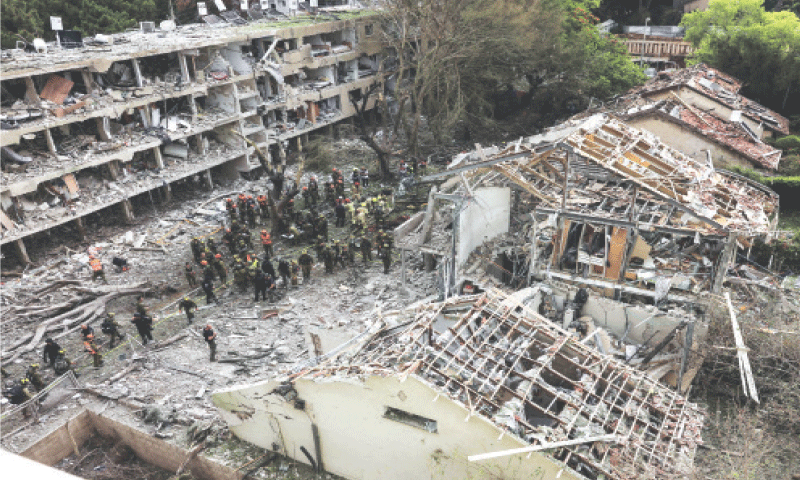

• Bahrain activates emergency plans, advising citizens to avoid major roads and ordering govt staff to work from home
• Kuwait implements civil defence measures amid fears of retaliation from Tehran
DUBAI: Gulf states, home to multiple US military bases, were on high alert on Sunday after US strikes on Iran raised the possibility of a widening conflict in the region.
US forces “obliterated” Iran’s main nuclear sites with massive bunker-busting bombs in the early hours of Sunday in the region, President Donald Trump said, warning Tehran it would face more devastating attacks if it does not agree to peace.
Saudi Arabia, the world’s largest oil exporter, was on a high security alert after the US strikes, two sources with knowledge of the matter told Reuters on Sunday, while Bahrain urged drivers to avoid main roads and Kuwait set up shelters in a ministries complex.
Tehran has previously warned that if it was attacked by the United States, it could target American assets in the region, including US military bases.
Bahrain is home to the headquarters of the US Navy’s 5th Fleet and there are US bases in Saudi Arabia and Kuwait, as well as in neighbouring Qatar and the United Arab Emirates.
Nuclear authorities in Saudi Arabia and the UAE said they had not detected signs of nuclear contamination following the strikes in Iran.
“While the war has so far been contained in direct hostilities between Israel and Iran, direct US involvement is a critical threshold that risks dragging the Gulf states, notably Bahrain, Kuwait and Qatar, which host large US military facilities, into the conflict,” said Hasan Al Hasan, a senior fellow for Middle East Policy at the International Institute for Strategic studies.
He said the risk of an open conflict between the US and Iran could plunge the region into a devastating and potentially protracted conflict.
“In light of recent developments in the regional security situation, we urge citizens and residents to use main roads only when necessary to maintain public safety and to allow the relevant authorities to use the roads efficiently,” Bahrain’s interior ministry said in a post on X.
Bahrain also told 70 per cent of its government employees to work from home on Sunday until further notice, citing escalating tensions, according the Civil Service Bureau.
The country’s authorities earlier this week said they had activated a national plan to prepare for emergencies, set up an emergency centre and tested warning sirens. Local media also reported that Bahrain had set up 33 shelters.
Published in Dawn, June 23rd, 2025