0
0

• Considers replacing existing first-past-the-post electoral model
• Mulls expanding voting rights to overseas Pakistanis
• Reviews proposals for swift resolution of petitions, universal adult suffrage
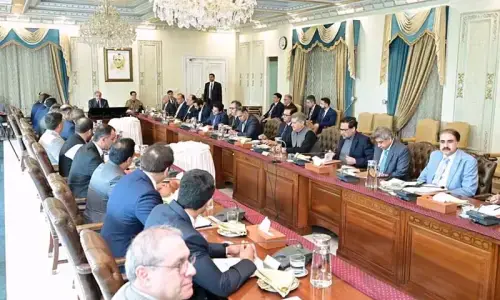
ISLAMABAD: The Senate Standing Committee on Parliamentary Affairs on Thursday explored a potential switch to a proportional representation (PR) electoral model from the current first-past-the-post (FPTP) system, part of discussions on key electoral reforms in Pakistan.
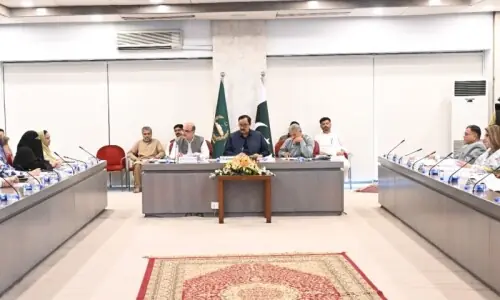
The committee meeting, chaired by Senator Dr Mohammad Humayun Mohmand, convened to deliberate on enhancing the transparency, inclusivity and fairness of the nation’s electoral system.
In the FPTP system, used in countries like Pakistan and the UK, the candidate who receives the most votes in a constituency wins, even if they don’t secure a majority — meaning many votes can go unrepresented.
In contrast, PR allocates seats based on the proportion of votes each party receives, ensuring that political representation in the legislature more accurately reflects the overall vote share. This system typically results in multi-party representation and coalition governments, while FPTP often favours larger parties and can lead to disproportionate outcomes.
The Senate committee had scheduled a briefing from the Pattan Development Organisation about electoral reforms. However, the organisation’s representatives were unable to attend the session. The Ministry of Parliamentary Affairs informed the committee at the eleventh hour that the registration of Pattan Development Organisation had been cancelled.
Despite the absence of the scheduled briefing, the committee proceeded with a discussion. Moreover, a Pattan report highlighting flaws in the existing system and proposing reforms was also shared and discussed.
The committee also held a substantive discussion on the feasibility and implementation of internet voting mechanisms and expanding voting rights for overseas Pakistanis, emphasising the need to ensure accessibility, security and integrity in any such initiative.
PTI Senator Mohsin Aziz specifically mentioned the Pattan report’s proposals for time-bound disposal of election petitions, voting rights for overseas Pakistanis, and allowing all individuals over 18 to vote. He also raised concerns over delays in Senate elections in Khyber Pakhtunkhwa and filling a Senate seat vacated by Dr Sania Nishtar.
He also chided PML-N lawmaker Tahir Khalil Sindhu, who said all elections since 1970 had been rigged.
The Pattan report proposed restoring the pre-2024 out-of-country voting consensus and called for allowing postal, proxy and embassy-based voting. “Let OPS (overseas Pakistanis) choose home constituency or create overseas seats. Use a phased approach with international best practices (e.g., Turkiye, India),” it stressed.
Pointing out that the National Gender Vote Gap in Registration (GVG-R) was 7.78 per cent, the report said that at 184 polling stations, there was zero turnout for women during the previous general elections.
It referred to Section 9 of the Elections Act, noting the Election Commission of Pakistan (ECP) failed to annul results despite its legal mandate.
The report suggests an amendment to void elections if less than 20pc of registered women vote and proposes issuing temporary CNICs for all 18-plus individuals on Form B for voter registration. It also called for holding officials accountable for suppressing women’s votes.
The report observed that the ECP was “perceived as biased in complaint handling” and noted a lack of transparency in the post-poll legal process. It called for ensuring time-bound disposal of all petitions and proposed independent election benches or fast-track tribunals. “Publicly release tribunal decisions and status updates. Digitise all election disputes for real-time tracking,” the report recommended.
It said an “establishment-politician nexus undermines democratic process” and claimed 227 methods of rigging had been documented. Noting that the FPTP system allows disproportionate representation, it suggested its replacement with a proportional representation system.
Other issues raised included untrained electoral staff and alleged Form-45 tampering. The report seeks to legally define “Free, Fair, Transparent Elections”, calling for transparent ECP and caretaker appointments with public vetting, and suggesting that returning officers be judicial officers, not civil bureaucrats.
Published in Dawn, May 30th, 2025