In the current budget-making exercise for the next fiscal year, policymakers assert that “we cannot wait for economic growth rates to rise to invest in people. Instead, social development investments should be allowed to propel inclusive growth.”
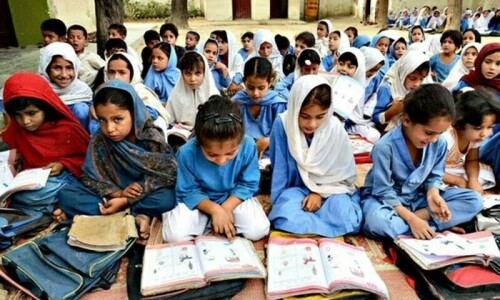
The observation can be seen in the backdrop of Pakistan’s fall to the 168th position among 193 countries in the latest Human Development Index (HDI) ranking, owing to a mode of governance that prioritises short-term economic indicators over long-term investment in people.
The United Nations Development Programme’s 2025 Human Development Report, now ranks Pakistan among the world’s 26 lowest-scoring countries — a category overwhelmingly composed of war-torn or desperately poor Sub-Saharan African states, and only one other South Asian country: Afghanistan. Even in years when GDP growth neared six or seven per cent, Pakistan’s HDI score has remained stubbornly low.
Pakistan’s chronic underdevelopment, analysts at Business Recorder note, is the result of misplaced priorities, weak institutions, elite capture, and the persistent failure of successive governments — military and civilian — in putting human capital at the centre of national planning.
HDI figures expose, they add, not just how a country is doing today, but what future it is building. Unfortunately, history has shown that when debt-fuelled growth faltered, there was no social safety net to fall back on. The masses were left to fend for themselves.
Development projects are frequently designed to benefit the political interests of legislators, particularly those from the ruling party or their allied powerful interest groups
Prime Minister Shehbaz Sharif says the government’s priority in the upcoming budget is to provide relief to the common man, stating that all resources will be utilised to reduce the financial difficulties of the lower and middle class.
The middle class has been heavily taxed. Compared to the Rs10 out of every Rs100 that the salaried class paid in taxes during July-March period, the traders contributed merely 60 paisa, says a noted analyst at The Express Tribune. According to a recent study, the total size of Pakistan’s informal sector is projected to be an enormous $457 billion or 64pc larger than the size of the formal economy, officially estimated at $340bn in 2023.
Income tax payments during the nine-month period of this fiscal year were Rs391bn, only Rs23bn more than the total income tax the salaried class paid during the 12-month period of the previous fiscal year, according to provisional estimates of the Federal Board of Revenue.
The government’s priority in the upcoming budget is to provide relief to the common man especially the lower and middle class, says prime minister
The government had targeted an additional Rs75bn in income tax from the salaried class for the full fiscal year 2024-25. However, the figure has already surpassed Rs140bn, with three months still remaining in the fiscal year. Income tax from the salaried class in the last nine-months has increased by 56pc compared to the previous fiscal year, say the analysts.
The common man is denied most essential civic facilities, including uninterrupted water supplies to Karachi residents. Moreover, labour unions want living wages and not minimum wages and better working conditions for workers in workplaces.
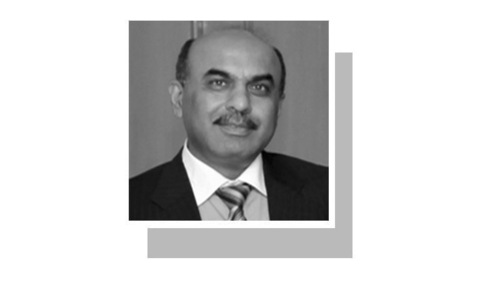
Instead of dealing with the public’s real needs, development projects are frequently designed or tailored to benefit the political interests of legislators, particularly those from the ruling party or their allied powerful interest groups, says Dr Nayar Rafique, a PhD researcher with a background in development economics, international development, and data analytics. Dr Rafique argues that the chronic practice results in the allocation of massively scarce resources to less sustainable, inefficient projects, far from the actual needs of the broader segments of society, detached from evidence-based planning.
The development spending has flattened despite an over 47pc increase in revenue growth, 37pc in subsidies and 170pc higher cash surpluses provided by the provinces. The Public Sector Development Programme consumed Rs261bn in the first six months of current year compared to Rs255bn a year ago. The four provinces provided Rs775bn cash surplus in the first half compared to Rs289bn last year.
The development spending stood at Rs448.6bn in the first 10 months (July-April) of fiscal year 2025, accounting for less than 41pc of the Rs1.1 trillion revised budget allocation for the whole year.
In its mid-year budget review report to the parliament, Ministry of Finance said it had contained its fiscal deficit at 1.9pc of GDP in July-December 2024 against 2.5pc last year and put primary surplus — the gap between total revenue and total expenditure minus debt servicing — at a comfortable 2.3pc of GDP against a 1.4pc surplus last year.
It was the first time that the finance ministry had sought the surrendering of funds two months before the end of the fiscal year — much earlier than the May 31 deadline of the past when analysts say the ministries, departments and corporations had clarity on their financing requirements for the last month of fiscal year. They argue that the move may disrupt routine operations of the public sector.
That said, economic models producing social exclusion, without social development, economic development and economic growth, will neither be inclusive nor sustainable.
Published in Dawn, The Business and Finance Weekly, May 19th, 2025