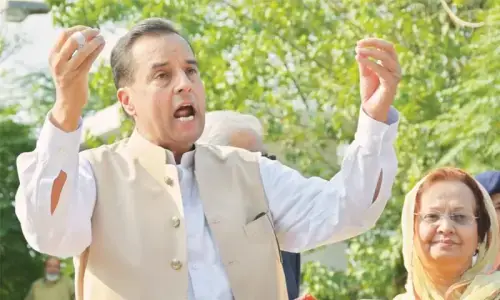
LAHORE: Irked by alleged dillydallying by the federal government in treating both the local and imported cotton equally, the ginning industry has sought the help of Chief Justice of Pakistan Justice Yahya Afridi to counter “discriminatory taxes” being imposed on the sector.
Pakistan Cotton Ginners’ Association (PCGA) Chairman Dr Jassumal wrote a letter to the CJP, pointing out discriminatory tax policies against local cotton farmers and ginners, which stand in stark contrast to the favourable treatment given to the imported cotton.
It says that the local farmers and ginners are subjected to an exorbitant tax burden, including an 18pc GST on ginning, along with withholding and indirect taxes. In contrast, the imported cotton is granted full exemption from these taxes, allowing it to enter the country at zero percent sales tax and no import duties, it adds.
This “clear policy bias” undermines the domestic cotton sector and has resulted in declining cotton acreage and production in recent years, the letter says.
The communique says the farmers, discouraged by this injustice, are switching over to cultivation of other crops such as sugarcane, rice, and maize, which enjoy better support and fewer taxes. This shift, it warns, threatens the sustainability of the local cotton-based industry, which is one of the largest contributors to the national exports and employment.
It mentions that other cotton-producing countries like India, China, USA and Brazil are actively protecting and supporting their cotton industries by imposing heavy import duties and taxes on foreign cotton to discourage dumping and ensure that domestic cotton remains competitive, besides offering incentives and subsidies to local farmers and ginners.
In Pakistan, the situation is vice versa as local cotton is heavily taxed, while the imported crop is tax free, creating an uneven playing field to the disadvantage of local producers and investors.
“Such discrimination violates the principles of equity, justice and economic fairness enshrined in our Constitution. This is not a request for subsidy, but a demand for a level playing field,” pleads Dr Jassumal, adding that local cotton producers should not be penalised by a tax regime that favours foreign cotton at the cost of domestic livelihoods and national growth.
He has appealed to the CJP to take suo motu notice of the situation or direct the relevant authorities to conduct a thorough review of the current tax policies.
Published in Dawn, April 25th, 2025