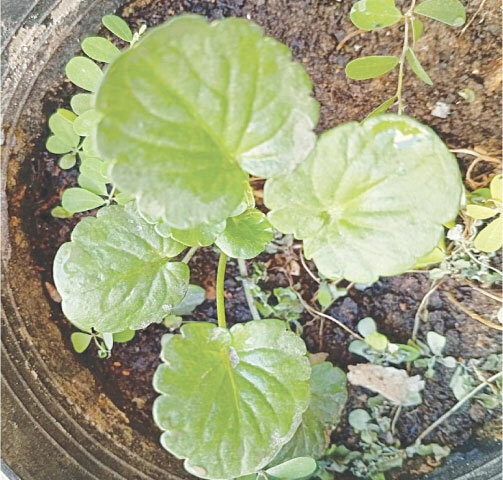
While primarily it is the colour and fragrance of the flowers that usually attract people and lure them into growing the flowering plant, either for their garden or indoor beautification, there are other aspects to be considered as well.
When we talk about the pansy, the flower is regularly used in different food items, as it is not only edible, but also provides amazing health benefits.
The bright, colourful range of pansy flowers is often used for garnishing and decorating snacks. The flowers are also used to decorate raw salads, savoury dishes, fruits salads and desserts, soups and even cakes for that matter.
The pansy flower may taste different depending upon its type. Usually, it has a mild, sweet leafy lettuce-like taste. All parts of the flowers and even young leaves of the pansy plant can be safely eaten and they have different vitamins, antioxidants and anti-inflammatory properties.
The colourful pansy flower is more than just a decorative one. It also provides culinary delight and therapeutic remedies…
Also referred to as heartsease, the pansy was believed to mend and cure despair, heartbreak and related distresses. But that has more to do with legend and folklore. However, the flower has been used to treat different respiratory conditions as well as dermal and skin-related ailments over the centuries. The pansies are considered useful in dealing with acne, skin dryness, dandruff, and issues of scalp and itching. The flower’s nutritional content is also beneficial for hair and nails.
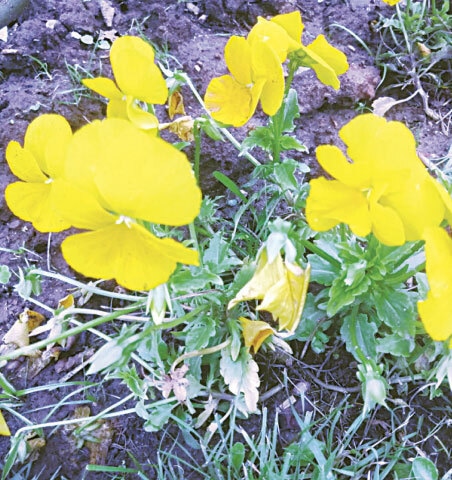
TRANSPLANTING THE PANSY
Once the seedling grows two to three leaves, it is time to transplant the pansy plant to a larger, permanent space. It should be ensured that the depth of the container or the flower bed is more than six inches, since the roots of some varieties of the pansy plant can grow to the depth of around half a foot.
The transplantation process is simple. While ensuring to keep the roots intact, the seedlings are gently scooped out and segregated. It would be better to till, prepare and boost the soil with compost manure beforehand. It is recommended to daily water the soil after transplantation, but to avoid waterlogging of the soil.
A balanced fertiliser, with increased phosphorus in composition, will help improve the growth of the plant and the leaves during this stage. It also helps the plant in coming up with more and stronger buds and better flowering during the growth and maturity stage. Nitrogen, potassium and phosphorus (NPK) should be supplied after every 15 to 20 days in moderate amounts. Over-boosting with fertiliser, sometimes results in fewer flowers on the pansy plant.
Six to eight inches of spacing should be maintained between each pansy plant. It not only helps in the growth, but also diffuses any chances of fungal infections in the plants due to overcrowding.

The pansy plant loves early morning or partial sunlight. In case of extreme heat or scorching afternoons, the installation of green covers or shadow-providing nets are advisable. Majestic giant and delta series are two of the heat-tolerant varieties of the pansy plant, advisable for areas with harsh summers.
Common pests that usually attack the pansy flowers include aphids, thrips, white flies, spider mites, slugs and snails. To deflect these pests, the leaves of the plant can be sprayed with any of the organic pesticides after every 15 to 20 days. Dried flowers and leaves under attack should be removed as well. Diseases such as root-rot due to overwatering and powdery mildew due to lack of air circulation are the main culprits.
In favourable conditions, the pansy buds are likely to appear after six to eight weeks of the seed germination. Depending upon the climate and favourable conditions, the pansy plant continues to bloom for several weeks up to even a few months! As the flowers complete their life cycle, they eventually turn brown and dry off.
The seeds of the pansy plant can be harvested from the seed pods present at the base of these brown, drying flowers. The trick is to also allow the seed pods to dry and turn brown completely. These seeds can be extracted and stored in a cool, dry place, to be used for growing the pansy flowers next season.
With summers approaching, the pansy plant with its colourful existence fades and withers away. The plant is then removed from the growing space and replaced with flowering plants for the next season. The dried, dead plant can now become part of the compost bin.
Please send your queries and emails to doctree101@hotmail.com. The writer is a physician and a host for the YouTube channel ‘DocTree Gardening’ promoting organic kitchen gardening
Published in Dawn, EOS, April 20th, 2025