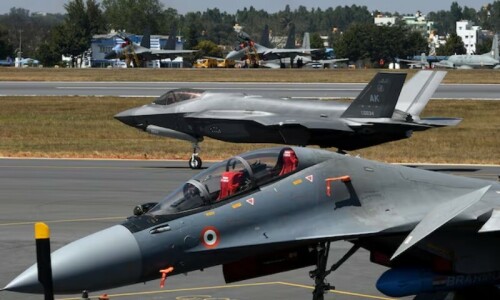
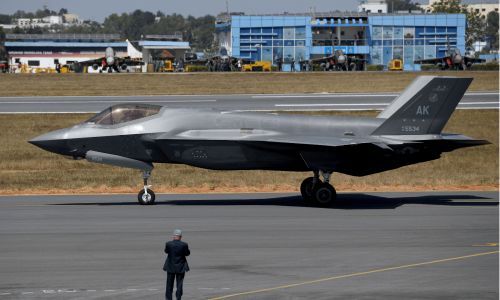
Indian defence panel recommends using private sector to boost fighter production
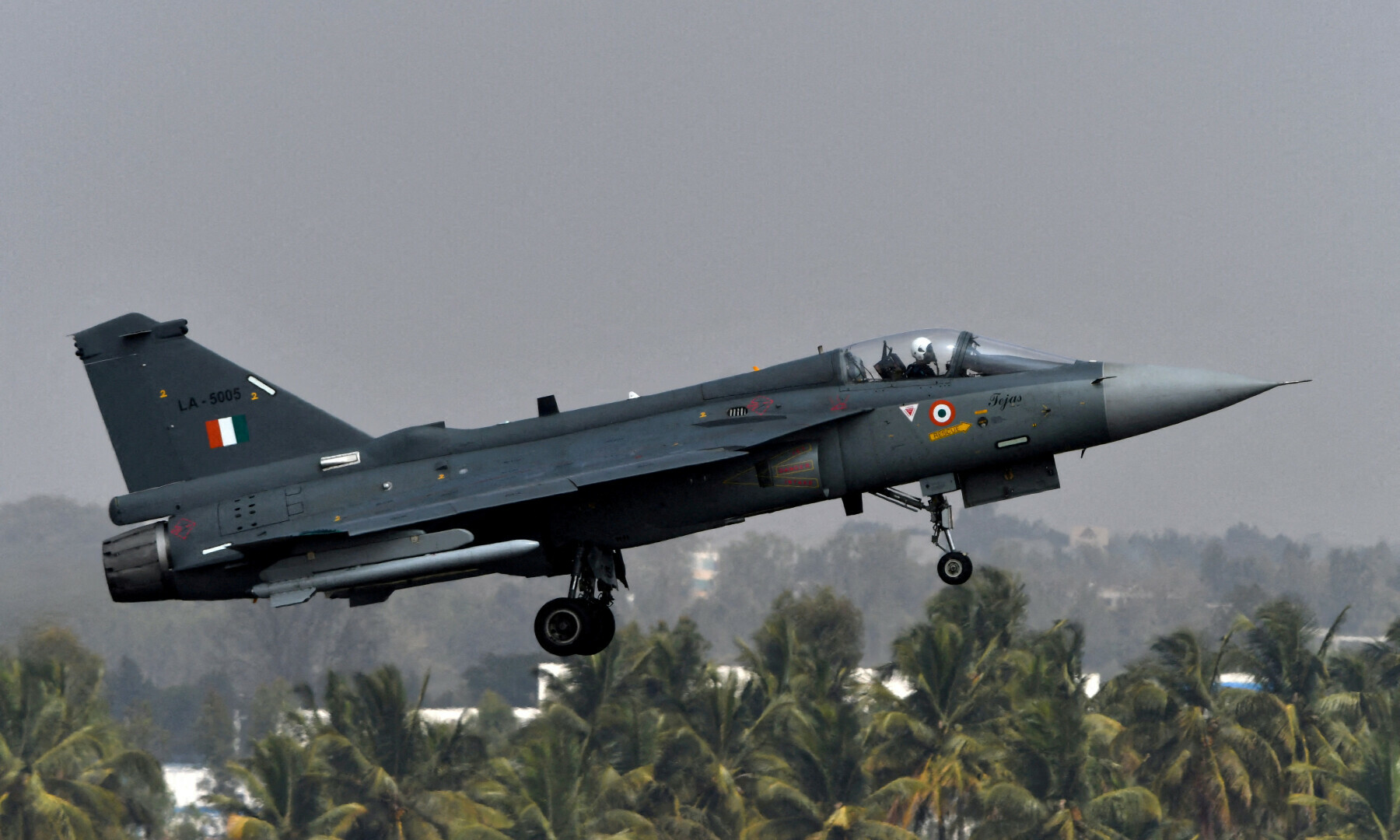

An Indian defence committee has recommended including the private sector in military aircraft manufacturing to shore up the capabilities of the Indian Air Force (IAF), whose falling squadron strength and delayed fighter deliveries have irked its chief.
The move, if accepted, would boost India’s private defence firms and reduce the burden on state-owned Hindustan Aeronautics Ltd, which makes most of India’s military aircraft.
The committee, headed by defence ministry’s top bureaucrat, submitted its report to Defence Minister Rajnath Singh yesterday, the government said in a statement late on Monday, adding that Singh had directed that the recommendations “be followed up in a time bound manner”.
The IAF’s fleet of mainly Soviet-origin aircraft has been operating with only 31 fighter squadrons compared with a target of 42 amid tense relations with neighbours China and Pakistan.
India’s Air Chief Marshal AP Singh has said that the country should involve the private sector to speed up defence aerospace manufacturing.
Speaking at an event in New Delhi last week, he said India must add 35-40 fighters per year to fill existing gaps and phase out older aircraft.
Indian officials have said that Hindustan Aeronautics could deliver up to 24 aircraft powered by a General Electric engine in the coming fiscal year, which begins in April.
The company was unable to deliver any of the 83 fighters on order in the current fiscal year, in part due to the slow arrival of engines from General Electric, which has been facing supply chain issues.