KARACHI: Emphasising the need for creating public awareness about epilepsy, experts at a programme held on Tuesday shared that the much stigmatised neurological disorder largely affected young children, the majority of whom could be effectively treated, if the disease was timely diagnosed and the parents ensured compliance to the treatment protocol.
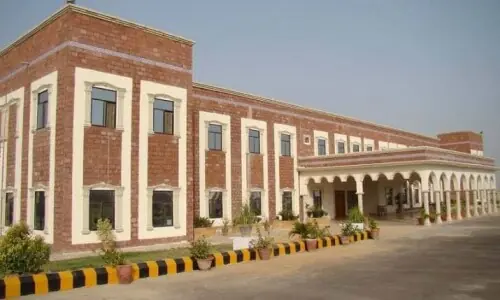
The event was organised in connection with World Epilepsy Day at the National Institute of Child Health (NICH) in collaboration with the Pakistan Paediatric Association and Child Neurology Society.
It brought together leading paediatric neurologists, healthcare professionals and families affected by epilepsy — a brain disease where nerve cells don’t signal properly, which causes seizures.
According to experts, while the disease may occur without any reason in many cases, there could be many possible causes, from an underlying medical condition to an injury or illness.
“It’s important to know about this disease because it’s the most common neurological disorder among children. An estimated 50m people in the world are affected by epilepsy and 70 to 80pc of this population lives in low-income-middle countries,” said Dr Shazia Kulsoom heading the department of paediatric neurology at NICH.
According to her, Pakistan has a relatively higher burden of epilepsy and the majority of the patients reside in rural/remote areas where healthcare facilities are limited.
“There could be multiple reasons for this (situation in Pakistan). We have a higher rate of birth related complications and infections due to lack of immunisation. Besides, there is an acute lack of awareness about the disease, especially in rural areas where parents often go to faith healers,” she explained.
At NICH, she said, over 400 children — 30pc of them new cases — reported with epilepsy every month. ““Most children live a normal life with the help of medication. If left untreated, they may suffer from host of issues, including psychological illnesses and physical injuries,” she added.
Dr Khairunnisa Mukhtar and Dr Farida Jan spoke about resistant epilepsy, non-pharmacological treatment, classification and management of childhood epilepsy.
The experts stressed the need to educate caregivers and encourage early intervention, ensuring better outcomes for young patients.
Earlier in her welcome address, Prof Mohsina Noor Ibrahim spoke on the importance of International Epilepsy Day. The day served as an occasion to increase awareness and education about the disease, reduce stigma and encourage support for those living with epilepsy, she said.
Prof Shahnaz Ibrahim and Prof Iqbal A. Memon also spoke.
Published in Dawn, February 12th, 2025