GENEVA: The World Health Organisation on Monday implored China to share data and access to help understand how Covid-19 began, five years on from the start of the pandemic that upended the planet. Covid-19 killed millions of people, shredded economies and crippled health systems.
“We continue to call on China to share data and access so we can understand the origins of Covid-19. This is a moral and scientific imperative,” the WHO said in a statement.
“Without transparency, sharing, and cooperation among countries, the world cannot adequately prevent and prepare for future epidemics and pandemics.” The WHO recounted how on Dec 31, 2019, its country office in China picked up a media statement from the health authorities in Wuhan concerning cases of “viral pneumonia” in the city.
“In the weeks, months and years that unfolded after that, Covid-19 came to shape our lives and our world,” the UN health agency said.
“As we mark this milestone, let’s take a moment to honour the lives changed and lost, recognise those who are suffering from Covid-19 and Long Covid, express gratitude to the health workers who sacrificed so much to care for us, and commit to learning from Covid-19 to build a healthier tomorrow.”
‘Same weaknesses’
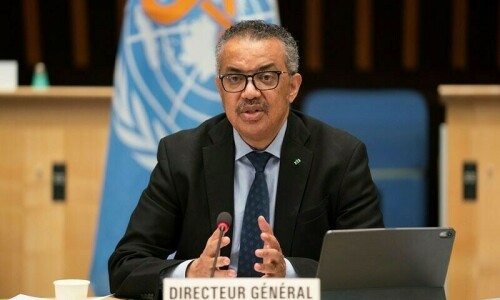
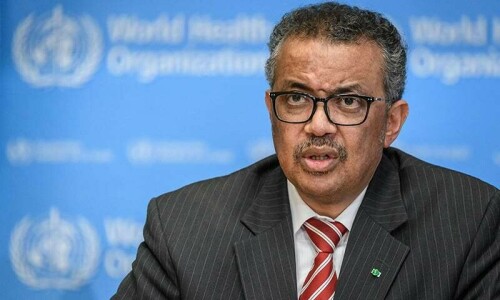
Earlier this month, the WHO’s Director General Tedros Adhanom Ghebreyesus addressed the issue of whether the world was better prepared for the next pandemic than it was for Covid-19.
“The answer is yes, and no,” he told a press conference. “If the next pandemic arrived today, the world would still face some of the same weaknesses and vulnerabilities that gave Covid-19 a foothold five years ago. “But the world has also learnt many of the painful lessons the pandemic taught us, and has taken significant steps to strengthen its defences against future epidemics and pandemics.”
In December 2021, spooked by the devastation caused by Covid, countries decided to start drafting an accord on pandemic prevention, preparedness and response.
The WHO’s 194 member states negotiating the treaty have agreed on most of what it should include, but are stuck on the practicalities. A key fault-line lies between Western nations with major pharmaceutical industry sectors and poorer countries wary of being sidelined when the next pandemic strikes.
While the outstanding issues are few, they include the heart of the agreement: the obligation to quickly share emerging pathogens, and then the pandemic-fighting benefits derived from them such as vaccines. The deadline for the negotiations is May 2025.
Published in Dawn, December 31st, 2024