FO parries questions on air strikes, US official’s comments


ISLAMABAD: Amid a flurry of activity on the diplomatic front, the year-end press briefing at the Ministry of Foreign Affairs on Thursday left several questions unanswered, as the Foreign Office spokesperson parried queries regarding recent air strikes on Afghanistan, as well as pro-Imran Khan statements from an official of the incoming Donald Trump administration.
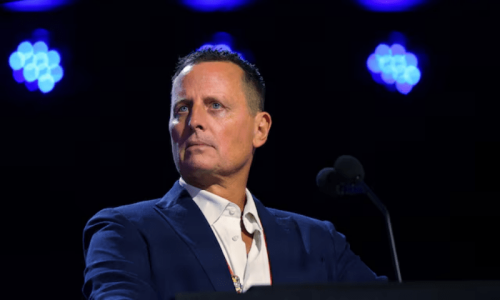
Responding to a volley of questions about voices from the US, including President-elect Donald Trump’s incoming aide, Richard Grenell, demanding Imran Khan’s release, FO spokesperson Mumtaz Zahra Baloch said she would not like to comment on “anyone making statements in their individual capacity”.
“We would like to have positive, constructive relations with the United States on the basis of mutual respect, mutual interest and non-interference in each other’s domestic affairs… We will continue to engage with officials and public personalities in the United States and discuss with them, issues of mutual interest and mutual concern,” she remarked.
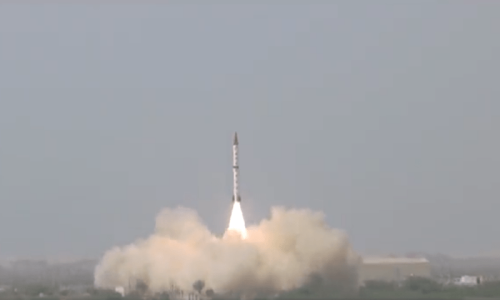
Talking about the recent sanctions imposed on three commercial entities and one government entity involved with Pakistan’s missile programme, she said these measures were taken by US authorities unilaterally and were not the result of bilateral discussions or negotiations.
“We believe these unilateral measures are unfounded and irrational. It is important that in taking such measures, the United States shall take into account strategic stability in South Asia,” the spokesperson added.
She reiterated that Pakistan’s strategic and missile programme eas defensive in nature. “It is not at all directed against the United States or any other country. It is regional in context, it’s a modest programme. So we do not understand the logic that this modest programme of a friendly country in South Asia could somehow threaten the security of a superpower,” she remarked.
Military trials
Responding to questions about strong statements from Western capitals regarding the recent conviction of civilians by military courts — and the threat of Pakistan losing its GSP-plus status — Ms Baloch said that Pakistan was fully committed to its international human rights obligations.
She reassured the international community that those sentenced by court martial would be afforded remedy by the country’s legal system and reaffirmed commitment to “international human rights obligations”.
“Pakistani system has the remedy of judicial review by Superior Courts, and it guarantees promotion and protection of human rights and fundamental freedoms. We will continue to uphold our Constitution and Pakistani law and our obligations under international law,” she said.
She also underlined that Pakistan’s relations with the European Union were multifaceted. “This is a mutually beneficial relationship. It is not a one agenda relationship. We will continue to work with the European Union to promote this relationship and to move forward.”
Afghanistan airstrikes
Although multiple questions were posed to her regarding the recent air strikes, claimed by security officials as having targeted camps of the outlawed Tehreek-i-Taliban Pakistan (TTP) in Afghanistan’s Paktika province, she avoided directly confirming the action.
However, she maintained that Pakistan’s security and law enforcement personnel do conduct operations in the border areas to protect the people of Pakistan from terror groups, including the TTP.
“These operations are carefully selected and are based on authentic and concrete intelligence,” she said, without elaborating.
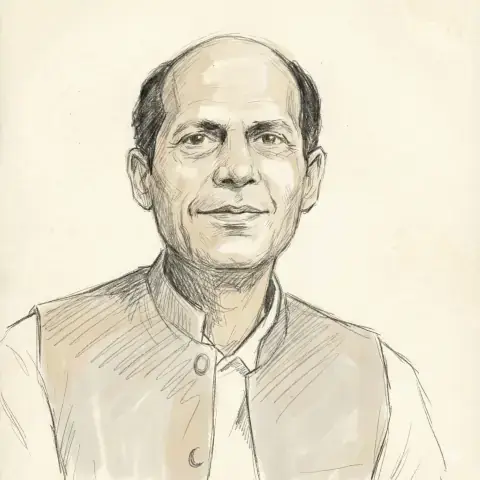
She was also asked about the apparent disconnect in diplomacy and military actions — as Special Representative for Afghanistan Mohammad Sadiq was in Kabul for talks the day of the air strike.
But sidestepping the question, she maintained that the special envoy had discussed all matters relating to the terror groups with Afghan leaders, adding that Pakistan believed in dialogue and diplomacy and had prioritised diplomacy in its dealings with Afghanistan.
Published in Dawn, December 27th, 2024