0
0

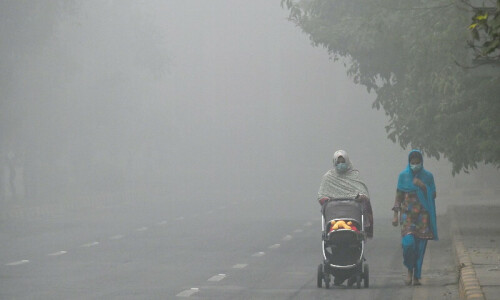
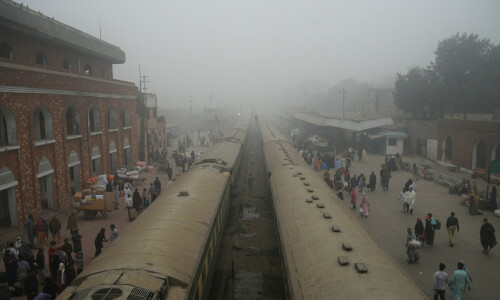
ISLAMABAD: Pakistan ranks among the top five countries with the worst air quality, with cities like Islamabad and Peshawar experiencing significant public health risks due to air pollution.
The country’s average Air Quality Index (AQI) in 2023 was 160, with PM2.5 levels 14.7 times higher than the World Health Organization’s (WHO) recommended limits.
It was revealed in a recent study by the Sustainable Development Policy Institute (SDPI) titled ‘Air Pollution’s Deadly Impact on Health in Pakistan: A Deep Dive into PM2.5 Levels in Peshawar and Islamabad’.
The study stated that only through targeted policies, robust data collection, and public health initiatives can the country reduce the burden of air pollution and safeguard the health of its citizens. The study, led by Dr Razia Safdar, senior policy advisor at the Centre for Health Policy and Innovation, quantified the health impacts of fine particulate matter (PM2.5) on the residents of Islamabad and Peshawar.
The findings from this study, which utilised the WHO’s AirQ+ tool to estimate health endpoints, highlighted the stark reality of air pollution’s impact on life expectancy, mortality rates, and the prevalence of non-communicable diseases (NCDs). “PM2.5, airborne particles less than 2.5 micrometres in diameter, are the most hazardous form of air pollution due to their ability to penetrate deep into the lungs and bloodstream, causing severe health issues,” the report said.
The report emphasised the urgency of addressing the critical health impacts associated with prolonged exposure to such high pollution levels. According to the study, air pollution in Pakistan contributes to approximately 256,000 premature deaths annually and reduces life expectancy by nearly four years. Among the most affected are vulnerable populations, including children, the elderly, pregnant women, and individuals with pre-existing conditions like asthma and ischemic heart disease.
The research specifically focused on two of Pakistan’s cities: Islamabad, the capital, and Peshawar, the provincial capital of Khyber Pakhtunkhwa. The findings showed a link between elevated PM2.5 levels and various health conditions. In Peshawar, the study found that air pollution was responsible for a significant proportion of deaths from ischemic heart disease (IHD), stroke, and lung cancer. Meanwhile, Islamabad also displayed worrying trends, with PM2.5 exposure contributing to increased mortality rates from respiratory diseases and cardiovascular conditions.
It revealed that even short-term exposure to high PM2.5 levels could lead to acute respiratory infections (ARIs) and exacerbate chronic conditions like Chronic Obstructive Pulmonary Disease (COPD) and asthma. Long-term exposure results in increased risks of heart attacks, strokes, and cancer.
The report underscored the need for more localised data and better air quality monitoring to assess health risks accurately. The WHO’s AirQ+ tool enabled researchers to project health outcomes, despite the lack of specific city-level health data for mortality and morbidity.
The study also called for a multi-faceted approach to combating air pollution, with strong recommendations for strengthening air quality monitoring systems, updating health data, and linking air pollution control measures to broader public health strategies. Dr Safdar also advocated for cleaner technologies and stricter emission standards, particularly in the industrial and transportation sectors.
While the country’s recent approval of the National Clean Air Policy (NCAP) in 2023 is a step in the right direction, it is critical that provincial governments, particularly in urban centres, adopt city-specific air quality action plans.
Published in Dawn, December 24th, 2024