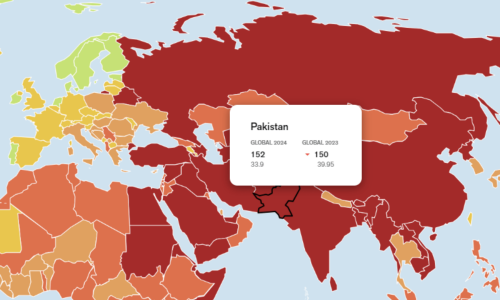
AEMEND, in a recent statement, has only now drawn attention to the reality that has plagued Pakistani media for a while: financial warfare through advertising boycotts. The electronic media body’s executive committee meeting highlighted that “every possible tactic” is being deployed to suppress dissent, with pressure on TV channels aimed at exerting maximum control over the media. Pemra’s role as a mere rubber stamp, issuing illegal notices daily to bring the channels under pressure, exemplifies this systematic oppression.
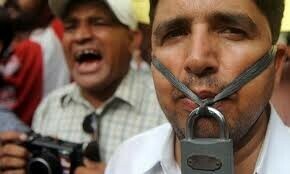
It is perhaps the most insidious form of censorship witnessed and is proving devastatingly effective in silencing critical voices. News organisations maintaining editorial independence find themselves suddenly stripped of crucial government advertising revenue — their financial lifeline in a challenging media market.
Even more troubling are reports that provincial governments willing to place advertisements in these outlets are being prevented from doing so through establishment pressure, revealing a coordinated campaign to bring independent media to heel. These tactics accompany an already suffocating environment of legal harassment and arbitrary internet disruptions that hobble news gathering and dissemination. As AEMEND notes, this “one-sided portrayal of the situation is severely damaging the credibility of the media”. The recently strengthened Prevention of Electronic Crimes Act has become another tool in the arsenal against journalists, who face spurious cases designed to intimidate.
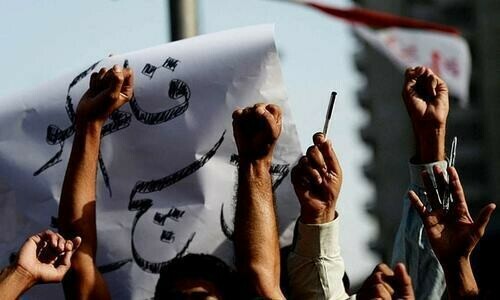
The collective impact is clear: a systematic dismantling of media freedom through death by a thousand cuts. When news organisations must choose between editorial integrity and financial survival, democracy itself is imperilled. The government’s responsibility to foster a free press environment is a constitutional obligation that directly impacts the health of our democracy. AEMEND’s initiative to unite with other media bodies including PFUJ, APNS, CPNE, and PBA signals a welcome recognition that the industry must present a united front against these pressures.
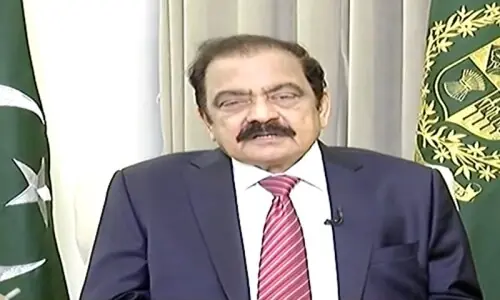
However, the onus lies on Prime Minister Shehbaz Sharif’s government to halt this slide towards media capture. The establishment must understand that a pliant press serves neither democracy nor the national interest. Our journey towards democratic consolidation demands robust public discourse and fearless journalism. The administration must decide whether it wishes to be remembered as an enabler of press freedom or its executioner. The choice, and its place in history, lies entirely in its hands.
Published in Dawn, December 21st, 2024