THE unfolding humanitarian crisis in Kurram district, particularly in Parachinar city, has reached alarming proportions that demand immediate state intervention.
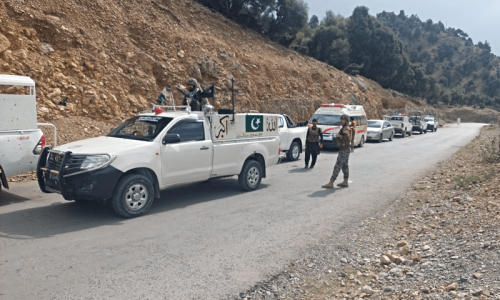
For over 70 days now, the district’s main artery connecting it to Peshawar has remained blocked, transforming Parachinar into a virtual island accessible only by air. The consequences for its residents have been devastating. The crisis stems from deadly tribal clashes that erupted after a November attack on a convoy claimed at least 43 lives, spiralling into internecine violence that has now killed over 130 people.
While the immediate trigger was this incident, the region has long simmered with tribal tensions over land disputes, occasionally inflamed by sectarian undertones. However, the real tragedy today extends far beyond the fighting — it lies in the suffering of innocent civilians caught in the crossfire of this complex conflict.
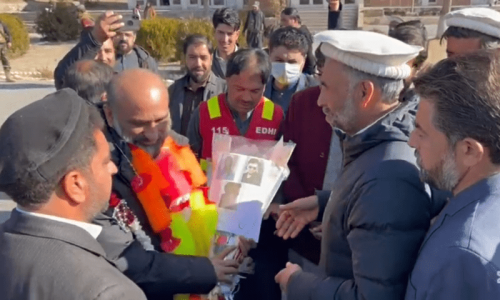
Reports from Parachinar paint a grim picture. The local hospital faces critical shortages of medicines and oxygen. Children suffering from pneumonia in sub-zero temperatures cannot access proper treatment. Diabetes patients are in need of insulin, while cancer patients struggle to reach facilities outside the district. The closure of roads has created severe shortages of food, fuel, and other basic necessities. In this harsh winter, families lack even firewood to keep warm. While private organisations have stepped in to provide emergency aid via air ambulances, their efforts cannot replace the state’s responsibility.
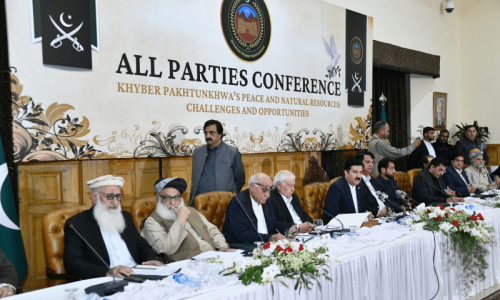
The government’s sporadic helicopter missions carrying medicines, though welcome, fall woefully short of addressing the scale of civilian suffering. More concerning is the politicisation of the crisis, reflected in the decision of the PTI, that rules the province, to skip a multiparty conference aimed at addressing Kurram’s plight. Such political point-scoring has no place when citizens’ lives hang in the balance.
The state must act decisively. To begin with, regular supplies of medicines, food, and essential items must reach the people. In addition, while security concerns are valid, alternative routes must be established to end Parachinar’s isolation. Furthermore, the ongoing peace efforts through jirgas need stronger state backing so that the disputes are resolved once and for all.
Most importantly, the state must recognise that allowing such hardship to continue undermines its basic duty to protect citizens’ well-being. The people of Kurram deserve better than to be prisoners of geography and tribal conflicts in their own land.
Published in Dawn, December 19th, 2024