DERA GHAZI KHAN: Alarming surge has been witnessed in HIV cases in Dera Ghazi Khan division.
There are 4,760 registered patients and doctors believe the number of unregistered cases might be around 10,000 as several patients delay visiting the HIV facility due to social stigma.
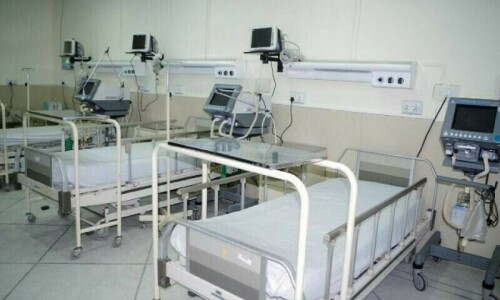
The health authorities in South Punjab, including Dera Ghazi Khan, say there is a dire need to upgrade the HIV ward at the Allama Iqbal Teaching Hospital of Ghazi Medical College.
According to them, 70 per cent of these cases are linked to unsafe sexual practices and the reuse of syringes by unqualified practitioners, particularly in rural areas.
A lack of government-led awareness campaign and the absence of specific funding in health budgets have compounded the issue.
The Teaching Hospital reports that 30 new cases are registered each month. Among the registered patients are over 3,500 men, 600 women, children, and transgender persons.
Kot Mubarak is the most-affected area, with over 200 registered cases and 20 fatalities. Other areas with significant cases include Kot Chutta, Choti, Sakhi Sarwar, Jhok Utra, and Taunsa.
Notably, 90 per cent of the drug injection users in the region are reported to be infected.
Dr Muhammad Haroon Bilal, head of the AIDS Center at the Teaching Hospital, says the stigma of HIV positive deters many from seeking treatment. He highlighted the need for greater awareness and support.
Despite these challenges, the AIDS Center, supported by Unicef and the Punjab National AIDS Programme, provides free treatment, tests, and preventive care.
One notable success is the safe delivery of 271 babies without HIV transmission to infected mothers.
Dr Abdul Rehman Aamir Qaisrani, Medical Superintendent of the Allama Iqbal Teaching Hospital, says southern Punjab’s only dedicated AIDS ward now includes a dialysis machine, with plans to establish an operation theatre soon.
Officials from the Punjab Healthcare Commission, including Dr. Muhammad Shafiq and Dr. Muhammad Musa Kaleem, recently visited the AIDS ward to evaluate the facilities.
They emphasised stricter monitoring of hospitals and private clinics to ensure adherence to standard operating procedures, as directed by the chief minister.
Efforts are underway to improve treatment and awareness, but the growing number of cases call for urgent government intervention and widespread education campaigns.
Published in Dawn, December 12th, 2024