0
0

ISLAMABAD: The Foreign Office said on Thursday that counterterrorism remains a central focus of Pakistan’s discussions with Afghanistan, but it refrained from commenting on the outcome of the talks that have been held so far.
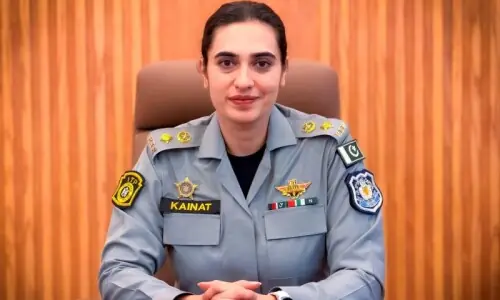
“For Pakistan, the issues relating to terrorism are high on the agenda of Pakistan-Afghanistan exchanges. Pakistan and Afghanistan have been discussing aspects of combating the threat that Pakistan faces from the terror elements, which have found hideouts and sanctuaries inside Afghanistan,” Foreign Office spokesperson Mumtaz Zahra Baloch said during the weekly media briefing.
Ms Baloch was responding to a question about the recent meeting between Pakistan’s chargé d’affaires in Kabul, Obaid Nizamani, and the Taliban’s Defence Minister Mullah Yaqoob, where the two reportedly discussed expanding bilateral cooperation and strengthening ties.
Pakistan’s relationship with the Taliban administration has been strained due to attacks by the banned Afghanistan-based Tehreek-i-Taliban Pakistan (TTP) militants against targets within Pakistan. Islamabad has repeatedly urged the Afghan Taliban to take action against the outlawed TTP, but the Taliban leadership in Kabul has appeared to ignore these demands.
Recently, there have been reports suggesting that the Afghan Taliban may be relocating TTP fighters and their families from the Pakistan-Afghanistan border to the Ghazni province. However, Ms Baloch did not confirm or deny this, stating only that discussions on terrorism would continue, and Pakistan would continue to encourage the Afghan Taliban to take action against groups and entities threatening Pakistan’s security.
In response to another question, Ms Baloch expressed concern that Afghanistan-based militants could potentially unite and become a greater regional threat. “We would therefore like to see immediate, effective and robust action against these terror groups,” she emphasised.
As for normalisation with India, Ms Baloch reiterated Pakistan’s desire for “constructive engagement and result-oriented dialogue”, but she lamented that India lacks the political will to resolve disputes through diplomacy.
“Pakistan believes in peaceful coexistence. We want peace and stability in the region. Despite the challenges in our bilateral relations with India, we have acted responsibly,” she stated. “It takes two to tango. We can only hope that our eastern neighbour will take steps to create a conducive environment for peace, dialogue and the resolution of long-standing disputes.”
Published in Dawn, December 6th, 2024