0
0

PARIS: Air pollution caused by fires is linked to more than 1.5 million deaths a year worldwide, the vast majority occurring in developing countries, a major new study said on Thursday.
This death toll is expected to rise in the coming years as climate change makes wildfires more frequent and intense, according to a study in The Lancet journal.
The international team of researchers looked at existing data on “landscape fires”, which include both wildfires that rage through nature and planned fires such as controlled burns on farming land.
Around 450,000 deaths a year from heart disease were linked to fire-related air pollution between 2000 and 2019, the researchers said.
A further 220,000 deaths from respiratory disease were attributed to the smoke and particulates spewed into the air by fire.
From all causes around the world, a total of 1.53m annual deaths were associated with air pollution from landscape fires, according to the study.
More than 90pc of these deaths were in low and middle-income countries, it added, with nearly 40pc in sub-Saharan Africa alone.
The countries with the highest death tolls were China, the Democratic Republic of Congo, India, Indonesia, and Nigeria.
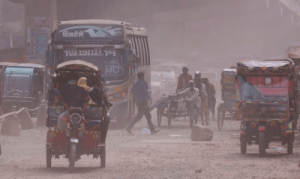
A record amount of illegal burning of farm fields in northern India has been partly blamed for noxious smog that has recently been choking the capital New Delhi.
The authors of the Lancet study called for “urgent action” to address the huge death toll from landscape fires.
The disparity between rich and poor nations further highlights “climate injustice”, in which those who have contributed the least to global warming suffer from it the most, they added.
Some of the ways people can avoid smoke from fires — such as moving away from the area, using air purifiers and masks, or staying indoors — are not available to people in poorer countries, the researchers pointed out.
So they called for more financial and technological support for people in the hardest-hit countries.
The study was released a week after UN climate talks where delegates agreed to a boost in climate funding that developing countries slammed as insufficient.
It also came after Ecuador declared a national emergency over forest fires that have razed more than 10,000 hectares in the country’s south. The world has also been battered by hurricanes, droughts, floods and other extreme weather events during what is expected to be the hottest year in recorded history.
Published in Dawn, November 29th, 2024