As social media continues to revolutionize the way we communicate, connect and share our lives, a disturbing trend has emerged in Pakistan.
The misuse of social media, particularly the use of obscene language and cyberbullying has reached alarming levels.
This issue is not only a reflection of our society’s moral decay but also a threat to the mental well-being and safety of individuals, especially women.
The rise of social media platforms has provided a voice to the voiceless and a space for self-expression. However, this freedom has been exploited by many, especially men, to spew venom and hatred against women. The use of obscene language, derogatory remarks, and sexist slurs has become commonplace. Women are subjected to vile comments, harassment and even threats of violence.
This toxic behaviour is not limited to men; some women also engage in cyberbullying and use obscene language against other women. This internalized misogyny is a result of societal conditioning, where women are pitted against each other, perpetuating harmful gender stereotypes.
Shockingly, some journalists and influencers with millions of followers are also perpetuating this toxic behaviour. They use their vast reach to bully, shame and silence others, often targeting women who dare to speak out. Their actions are particularly harmful, as they wield significant influence and set a dangerous example for their followers.
The consequences of this misuse are far-reaching. Victims of cyberbullying suffer from anxiety, depression and even suicidal thoughts. The constant exposure to hate speech and obscene language creates a culture of toxicity, normalising such behaviour and perpetuating a cycle of abuse.
It is imperative that we take immediate action to address this issue. Social media platforms must take responsibility for regulating content and ensuring accountability. The government of Pakistan must enact and enforce laws to protect citizens from online harassment. Education and awareness campaigns can help sensitise people to the consequences of their actions.
Journalists and influencers, in particular, must recognise their responsibility to promote respectful discourse and refrain from perpetuating harmful behaviour. They have a unique opportunity to shape public opinion and create a positive impact.
Let us come together to create a safe and respectful online environment, where everyone can express themselves without fear of harassment or abuse. We owe it to ourselves, our children and future generations to act now.
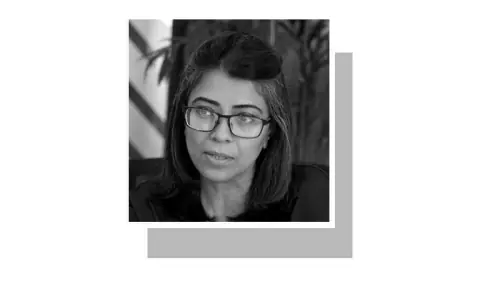
The writer is a psychologist and works with non govt organisations
Published in Dawn, November 25th, 2024