MANY complain that Iqbal has been turned into a demigod, a minor deity, in Pakistan. They feel Iqbal is put on a pedestal, worshipped heedlessly.
On the contrary, there has never been any dearth of scholars who denounced and condemned Iqbal even for his minor flaws. Such nitpicking critics still exist. Hostility to Iqbal and his poetic works had begun quite early in his literary career, only growing as the years went by, at times verging almost on aversion and contempt.
Aside from how high Iqbal is ranked among poets by most of the critics and how he is loved and revered by many for his philosophy and poetry, a campaign against Iqbal has been running for over 100 years now and a large number of books and articles criticising various aspects of his personality, literary works and thoughts have been published.
Every cynic and doubter has his or her own reason to brush Iqbal aside. For instance, his religious tendencies perturbed not only leftists and liberals, but he earned the wrath of even some religious-minded folks for views on reconstruction of religious thoughts as well as criticising Hafiz Shirazi’s mystical stance.
For Iqbal’s political ideas, supporters of Indian National Congress opposed him, including many Muslims, because of his idea of Muslim nationalism and a separate homeland for Muslims in the subcontinent was simply unacceptable for them. When it comes to his poetry, several scholars rejected him on technical grounds, such as, idiom and usage, not to mention his unconventional poetry.
Of course, everybody has a right to air their opinions and, of course, disagreeing is not a legal offence, but critics afflicted with personal vendetta and presenting Iqbal’s distorted view through their jaundiced eyes needed to be replied. There have always been a lot of scholars and critics who appreciated Iqbal on certain counts, evaluating his works and praising him, but there was a need to uphold Iqbal’s poetic, political and philosophical thoughts and to respond to naysayers in a logical, unemotional and scholarly way.
Some scholars who spelled out the issue with pro-Iqbal books include: Basheer Nakodari (Naaqidaan-i-Iqbal), Saim Ganjavi (Muta’assibaana Tabdeeliyaan), Abdul Mughni (Iqbal Aur A’almi Adab), Munshi Abdur Rahman (Allama Iqbal Ki Kirdaar Kushi) and Shorish Kashmiri (Iqbali Mujrim).
Others who wrote articles defending Iqbal are: Qazi Ahmed Mian Akhter Junagarhi, Usloob Ahmed Ansari, Fateh Muhammad Malik, Tehseen Firaqi, Rafiuddin Hashmi and some others. But sceptics outnumbered defenders by a wide margin. Though critics admiring Iqbal have always been in abundance, ones defending him could be counted on fingers of one hand.
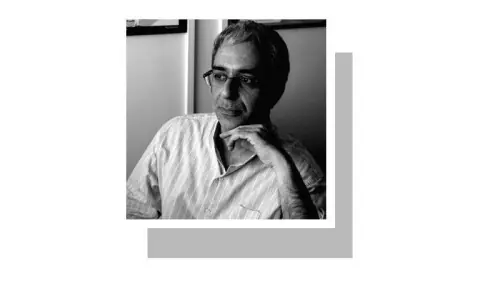
It was Prof Dr Ayub Sabir who began to reply more vigorously, systematically and persistently to dissenters. He spent almost 40 years going through a mountain of books, pamphlets and articles that criticised Iqbal and replying to their arguments against Iqbal. Prof Sabir presented his research through his books, namely Iqbal Ki Fikri Tashkeel: Etirazaat Aur Taveelaat Ka Jaiza, Iqbal Dushmani: Aik Mutal’a, Kalaam-i-Iqbal Par Fanni Etirazaat Ka Jaiza and Iqbal Ki Shakhsiyet Aur Fikr-o-Fan Par Etirazaat: Aik Mutal’a (in three volumes).
These volumes discuss different aspects of objections and allegations levelled against Iqbal and try to counter the arguments by bringing to light the facts either hidden or intentionally ignored by the critics. In the process, Dr Sabir brought to light some events’ background and explained reasons behind angled views of some unscrupulous critics, too.
Dr Sabir was born on January 2, 1940, at Haripur, NWFP (now Khyber Pakhtunkhwa). Having done his MA in Urdu, Dr Sabir began teaching and rose to become head of Urdu department at Government Postgraduate College, Abbottabad. Later on, he served as the head of Department of Iqbaliyaat at Allama Iqbal Open University, Islamabad. Dr Sabir taught Iqbal Studies at college and university level for about 40 years. He did his MPhil and PhD in Iqbal Studies and was recognised as a great Iqbal scholar.
His other books are: Azad Kashmir Mein Nifaaz-i-Urdu, Pakistan Mein Urdu Ke Taraqqiyaati Idare, Allama Iqbal Ka Tasavvur-i-Ijtihaad (anthology compiled in association with Suhail Umar), M’uatrizeen-i-Iqbal, Dabistaan-i-Hazara, Iqbal Ka Urdu Kalaam, Intikhab-i-Khutoot-e-Ghalib and Urdu Ki Ibteda Ke Baare Mein Muhaqqiqeen Ke Nazariyaat.
What makes reading Dr Sabir enjoyable is that despite his love and reverence for Iqbal he never gets emotional and tries to present arguments in a balanced and logical way. He admits Iqbal was a human being, not an angel and was prone to err, but says he was a great poet, great thinker and many of the allegations levelled against him were based either on political or religious differences or personal grudges, some even sought fame through opposing Iqbal. Dr Sabir has tried to present his views in a polite and courteous manner and without creating any bad blood.
Dr Sabir died in Islamabad on November 17, 2022.
Published in Dawn, November 11th, 2024