Afghan Taliban officials will attend a major United Nations climate conference that starts next week, the Afghan Foreign Ministry said on Sunday, the first time they have attended since the former insurgents took power in 2021.
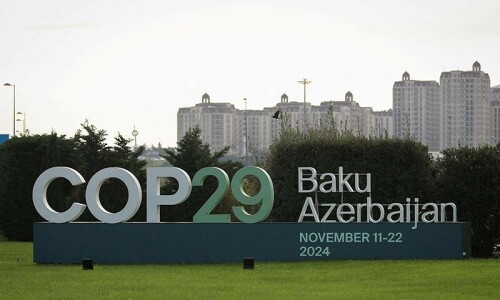
The COP29 climate summit in Azerbaijan’s capital Baku will be among the highest-profile multilateral events attended by Taliban administration officials since they took control in Kabul after 20 years of fighting Nato-backed forces.
The UN has not allowed the Taliban to take up Afghanistan’s seat at the General Assembly, and Afghanistan’s government is not formally recognised by UN member states, largely due to the Taliban’s restrictions on women’s education and freedom of movement.
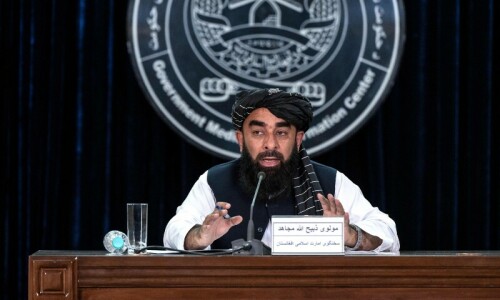
Afghan Foreign Ministry spokesman Abdul Qahar Balkhi said officials from the National Environmental Protection Agency had arrived in Azerbaijan to attend the COP conference. The Taliban took over the agency when they returned to power as US-led forces withdrew.
Taliban officials have taken part in UN-organised meetings on Afghanistan in Doha, and Taliban ministers have attended forums in China and Central Asia in the past two years.
But the UN Framework Convention on Climate Changes Bureau of the COP has deferred consideration of Afghanistan’s participation since 2021, in effect freezing the country out of the talks.
Afghan NGOs have also struggled to attend the climate negotiations in recent years.
Host Azerbaijan invited the Afghan environment agency officials to COP29 as observers, enabling them to “potentially participate in periphery discussions and potentially hold bilateral meetings,” a diplomatic source familiar with the matter told Reuters.
Because the Taliban are not formally recognised within the UN system as the legitimate government of Afghanistan, the source said, the officials cannot receive credentials to take part in the proceedings of full member states.
Azerbaijan’s presidency declined to comment.
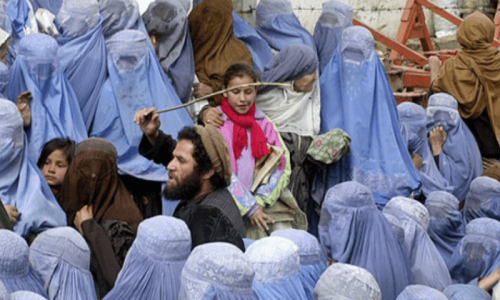
The Taliban has closed schools and universities to female students over the age of around 12. It also announced a set of wide-ranging morality laws this year that require women to cover their faces in public and restrict their travel outside the home without a male guardian.
The Taliban says it respects women’s rights in accordance with its interpretation of Islamic law.
Afghanistan is considered one of the countries worst affected by climate change.
Flash floods have killed hundreds this year, and the heavily agriculture-dependent country has suffered through one of the worst droughts in decades. Many subsistence farmers, who make up much of the population, face deepening food insecurity.
Some advocates have criticised international isolation of the Taliban, saying it only hurts the Afghan people.
“Afghanistan is one of the countries that is really left behind on the needs that it has,” said Habib Mayar, deputy general secretary of the g7+, an intergovernmental organisation of countries affected by conflict.
“It is a double price that they are paying,” Mayar said. “There is lack of attention, lack of connection with the international community, and then there are increasing humanitarian needs.”