POLIO remains endemic in only two countries: Pakistan and Afghanistan. Despite global efforts, both nations still struggle with transmission, driven by misinformation, rumours, and conspiracy theories. Claims that the polio vaccine causes infertility or is part of foreign plots have fuelled vaccine hesitancy, preventing parents from vaccinating their children and delaying eradication. Anti-vaccine narratives, often spread by groups with local influence, lead many to refuse vaccinations, putting entire communities at risk.
In contrast, regions that have successfully eradicated polio, such as Africa, Europe, and the Americas, do not experience the health crises predicted by conspiracy theorists. Instead, these countries benefit from healthier populations, free from the dangers of polio-induced paralysis.
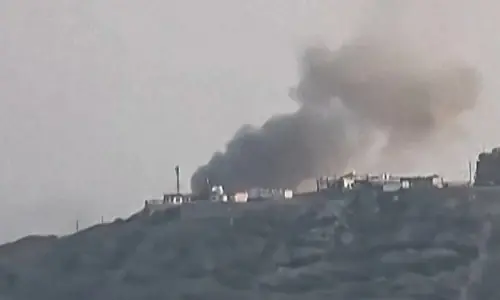
Despite ongoing conflict, public health efforts in Gaza have managed to overcome vaccine opposition. In July, after reports emerged of polio strains found in Gaza due to damage to infrastructure and the destructive effects of war, the Israeli army began vaccinating soldiers in Gaza to prevent the spread of polio. Meanwhile, Palestinian officials, organisations, and resistance factions encouraged the public to vaccinate and reject conspiracy theories. Palestinians, despite long-standing oppression and political challenges, have prioritised public health by supporting vaccinations.
Reports from independent sources, such as the Euro-Mediterranean Human Rights Monitor, indicate that Israeli actions have hindered vaccination efforts in Gaza. Nevertheless, both Palestinians and Israelis acknowledge the importance of polio prevention.
Palestinians have prioritised public health by supporting vaccinations.
This raises a critical question: if Palestinians facing severe challenges can overcome scepticism and embrace polio vaccination, why does hesitancy persist in Pakistan and Afghanistan? Global eradication efforts have demonstrated the power of vaccination, reducing polio cases by over 99 per cent worldwide. Both the inactivated polio vaccine (IPV) and the oral polio vaccine (OPV) are proven safe and effective, with extremely rare complications.
Nations that have eradicated polio do not face the health crises feared by anti-vaccine groups. Instead, they reap the benefits of a polio-free population, while unvaccinated communities continue to suffer from polio’s devastating impact. Given these facts, it is essential to ask: if polio-free regions thrive without the feared complications, what continues to fuel vaccine hesitancy in Pakistan and Afghanistan? Vaccine resistance remains a significant barrier, leaving children vulnerable to this preventable disease.
The presence of polio in these countries underscores the urgent need to combat misinformation and prioritise the people’s well-being. Addressing vaccine hesitancy requires tackling deep-seated mistrust and educational gaps.
Education is critical in forming a foundation for accepting public health initiatives. Despite facing occupation, an environment of apartheid, and conflict, the Palestinian territories maintain a high literacy rate of nearly 97 per cent, comparable to developed countries. In contrast, literacy rates in Afghanistan and Pakistan are 37pc and 62pc, respectively.
Gender disparity in education is minimal in the Palestinian territories, where education for girls is robust, and female literacy nearly equals male literacy. However, in Pakistan and Afghanistan, particularly in the rural areas, significant gender gaps persist. This educational disparity also affects public health.
Palestinian families actively supported and participated in the polio vaccination campaign, with the World Health Organisation noting that Gaza’s polio vaccinations exceeded targets. In contrast, efforts in both Pakistan and Afghanistan encounter numerous challenges, which include misinformation and logistical issues. Beyond delivering vaccines, it is crucial to improve sanitation, access to clean water, and nutrition to bolster immunity and reduce vulnerability to polio.
Combating vaccine hesitancy demands dismantling myths and conspiracy theories. In Pakistan, the government enforces strict tax policies, penalising non-filers and even blocking phone SIM cards. However, similar measures are not applied to polio campaigns. Incentivising families who vaccinate and penalising refusals may improve campaign outcomes.
Public health campaigns can succeed even in conflict zones when focused on protecting the population. By following Gaza’s example, Pakistan and Afghanistan can strengthen their efforts, dispel misinformation, and ultimately join the ranks of nations that have eradicated polio.
The writer is a medical doctor.
Published in Dawn, November 1st, 2024