0
0

KARACHI: Pakistan faced a looming mental health crisis as one-third of its people suffered from psychiatric disorders while personality disorders affected nearly 50 per cent of the population, said an expert at a seminar held on Thursday.
The event was organised at the Karachi Press Club in connection with the World Mental Health Day dedicated to the theme “It is Time to Prioritise Mental Health in the Work Place” this year.
According to experts, the rise in mental health disorders and suicides in Pakistan is driven by factors such as poverty, unemployment and family breakdown.
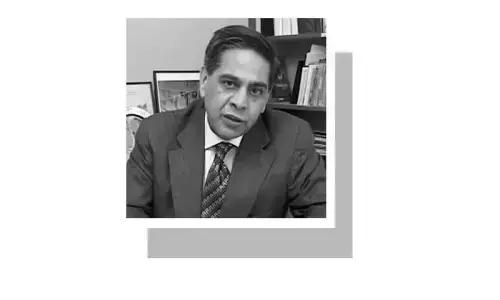
“The first and most pressing challenge in Pakistan is suicide prevention,” said senior Psychiatrist Dr Farooq Naeem, professor at the University of Toronto, while explaining that suicides were often linked to emotional instability, anger issues and the inability to cope with small and everyday problems that seemed insurmountable.
He noted that poverty, job insecurity, and the disintegration of traditional family structures, alongside excessive use of social media, was contributing to the decline in mental health.
Mental health disorders, Dr Naeem pointed out, were rarely discussed openly in Pakistan, exacerbating the problem. He estimated that one-third of Pakistanis suffered from psychiatric disorders while personality disorders affected nearly half of the population.
“It’s time we stop ignoring the crisis,” he stressed, highlighting the need for urgent awareness and treatment, particularly for conditions like schizophrenia.
Citing a research, Dr Naeem said that cognitive therapy had shown reduction in suicide rates by up to 30 per cent. He urged both medical and psychological interventions to combat the growing epidemic of mental health issues.
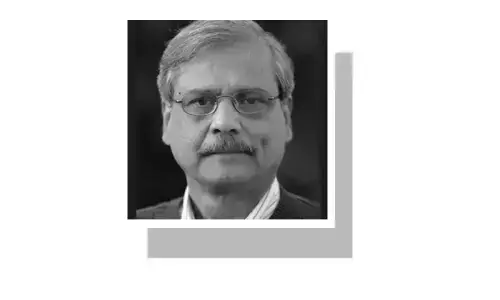
Dr Iqbal Afridi, former president of the Pakistan Psychiatric Society (PPS), endorsed Dr Naeem’s concerns, revealing that 35 per cent of Pakistan’s population struggled with mental health issues.
“When such a large portion of society is affected, it inevitably impacts the economy and overall well-being of the nation,” said Dr Afridi.
He recommended a healthier lifestyle, including regular sleep and balanced diet, to improve mental health outcomes, particularly for media professionals who often had erratic schedules.
Dr Abdul Karim Khawaja, chairman of the Sindh Mental Health Authority, added that Pakistan’s mental health infrastructure was under-equipped to handle the growing demand.
“With only 140 psychiatrists across Sindh, 20 districts have no psychiatric services at all, limiting access to treatment. We are currently training doctors in 22 districts and plan to expand facilities to the remaining areas soon,” said Dr Khawaja while sharing insights into a study focused on higher suicide rates in Tharparkar.
Dr Chunni Lal, head of psychiatry at Jinnah Postgraduate Medical Centre, talked about the often overlooked mental health struggles of women, adding that 60 per cent of the global population suffered from some form of psychological distress.
Published in Dawn, October 18th, 2024