0
0

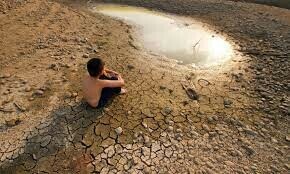
ISLAMABAD: Pakistan has been listed among the 20 countries which are at risk of dry conditions, as the La Nina weather phenomenon is expected to emerge in late 2024 and persist into early 2025, bringing extreme weather events that could cause extensive agricultural damage and worsen food security conditions.
A report of the Food and Agriculture Organisation (FAO) of the United Nations released on Friday says although La Nina has not yet been officially declared, some countries are already experiencing some La Nina-like conditions.
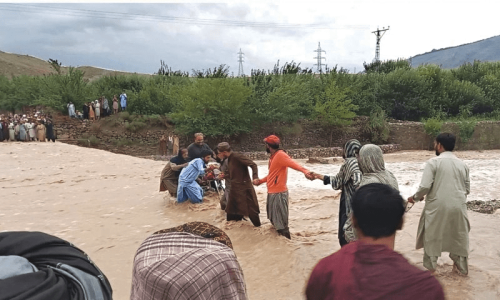
Between late August and September, floods occurred over large areas of West and Central Africa, as well as the Sudan, South Sudan, Bangladesh, India, Myanmar, Nepal and Pakistan, while early signs of drought are evident in southern parts of South America, including Argentina and Chile.
The FAO will continue to closely monitor the development of La Nina and possible weather anomalies in the coming months to assess the potential effects on crop production and food security.
The FAO has recently launched a La Nina Anticipatory Action and Response Plan to mitigate expected impacts of La Nina-induced climate extremes on agriculture and food security.
The FAO report recommended anticipatory actions to cope with the effects of La Nina. Under the drought conditions, the measures include distribution of farming tools and seeds of drought-tolerant crop varieties well in advance of planting seasons; distribution of feed and provision of animal health support, with particular emphasis on chemicals to ensure a regular dipping regime and appropriate vaccination of livestock; rehabilitation of irrigation intakes, canals and other water points at communal level; promotion of capacity development and support to farmers on water-harvesting techniques; and developing capacity of farmers and providing support on post-harvest management and processing to minimise losses.
La Nina will exacerbate the acute food insecurity situation in areas already affected by weather extremes linked to the 2023-2024 El Nino which lasted from June 2023 to May 2024.
In many countries, El Nino caused significant crop losses and disrupted livestock production, leading to food prices spikes and reducing income of households, making them more vulnerable to future weather shocks.
The 2023-24 El Nino event was strong and contributed to record high average temperatures, droughts and floods, which severely disrupted agricultural production and caused food prices spikes, worsening food insecurity in many countries.
Published in Dawn, October 12th, 2024